
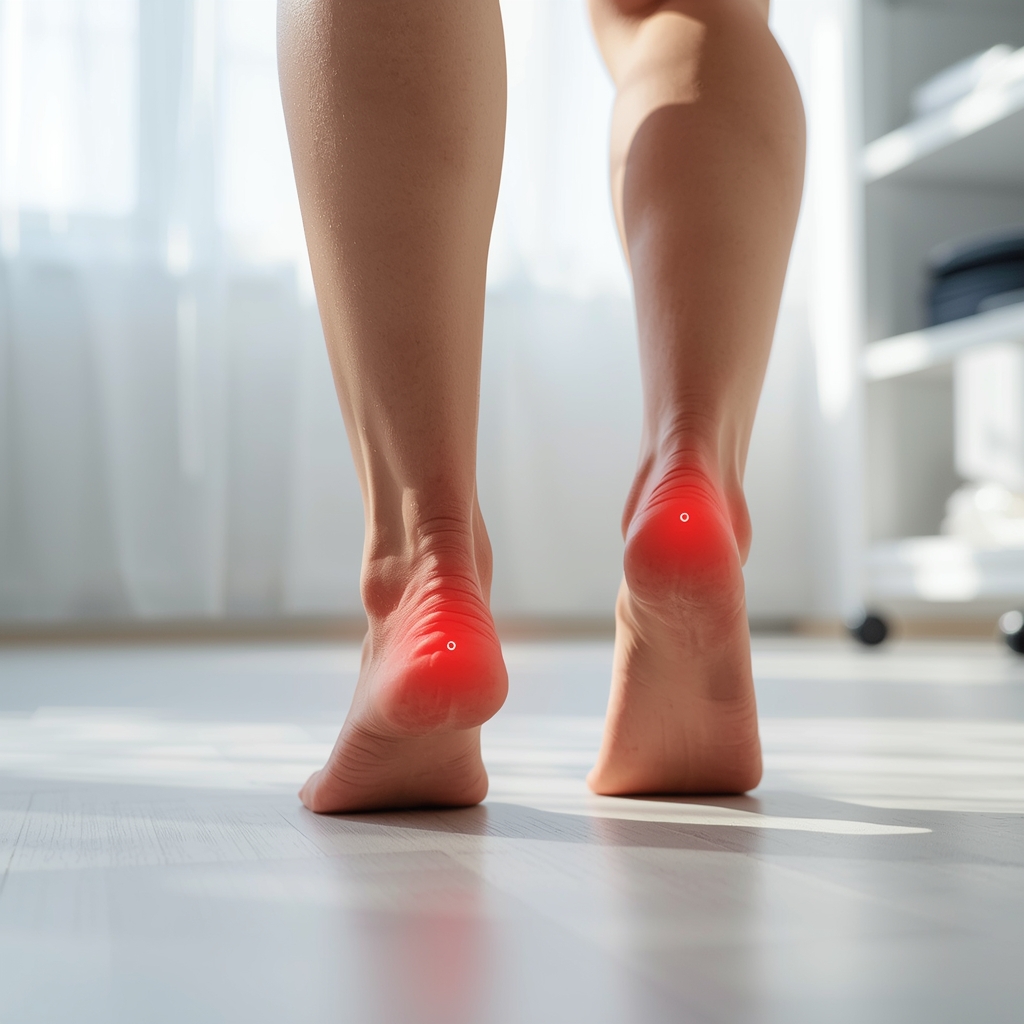
Understanding Active Release Technique (ART) and Plantar Fascia Adhesions
Active Release Technique (ART) is a soft tissue therapy designed to address issues caused by scar tissue, adhesions, and restricted movement in muscles, tendons, and ligaments. The plantar fascia, a thick band of tissue running along the bottom of the foot, can develop adhesions due to repetitive strain, overuse, or poor biomechanics. These adhesions may limit flexibility, cause pain, and disrupt normal gait patterns. ART practitioners use their hands to apply precise pressure while the patient moves the affected area, aiming to break up adhesions and restore optimal tissue function. This approach is often used for conditions like plantar fasciitis, but its application extends to addressing the underlying soft tissue restrictions that contribute to chronic foot and gait issues.
How Adhesions Affect Foot Mechanics
Adhesions in the plantar fascia occur when the tissue becomes stiff or binds to surrounding structures, reducing its ability to stretch and absorb shock. This can lead to pain, particularly during weight-bearing activities, and alter the way a person walks. For example, a person with restricted plantar fascia may compensate by shifting their weight to the ball of the foot or altering their stride length, which can create secondary issues in the ankles, knees, or hips. Over time, these compensatory patterns may contribute to chronic pain or instability. Identifying and addressing adhesions early is crucial to preventing long-term biomechanical imbalances. ART targets these adhesions directly, helping to restore the plantar fascia’s natural elasticity and function, which is essential for maintaining a balanced gait.
ART’s Role in Breaking Down Adhesions
During an ART session for plantar fascia adhesions, the practitioner identifies areas of restricted movement by palpating the foot and assessing the patient’s range of motion. They then apply controlled tension while the patient performs specific movements to stretch the affected tissue. This process helps separate adhesions, reduce inflammation, and improve blood flow to the area. The technique is tailored to the individual’s needs, with adjustments made based on the severity of the adhesions and the patient’s response. By restoring the plantar fascia’s ability to glide smoothly, ART can alleviate pain and enhance foot function. Many patients report reduced discomfort and improved mobility after a series of sessions, though results vary depending on the underlying causes of the adhesions and the patient’s overall health.
Impact on Gait Mechanics and Mobility
Improving plantar fascia mobility through ART can significantly influence gait mechanics by restoring the foot’s natural shock-absorbing capabilities. When adhesions are released, the plantar fascia can better support the arch and distribute pressure evenly during walking or running. This reduces strain on the muscles and joints of the lower extremities, promoting a more efficient and pain-free gait. Patients often experience less heel pain, improved balance, and greater comfort during daily activities. Additionally, correcting biomechanical imbalances can prevent compensatory patterns that may lead to issues in the knees, hips, or lower back. ART’s focus on soft tissue health makes it a valuable tool for addressing gait-related challenges, particularly for individuals with chronic foot pain or those recovering from overuse injuries.
Benefits of ART for Plantar Fascia Health
ART offers several advantages for individuals dealing with plantar fascia adhesions, including targeted treatment of soft tissue restrictions without the need for invasive procedures. By addressing the root cause of pain—adhesions rather than just symptoms—ART can provide long-term relief and improved function. Patients often find that ART complements other treatments, such as stretching, orthotics, or physical therapy, by enhancing overall tissue health. The technique is also adaptable, allowing practitioners to modify their approach based on the patient’s progress and comfort level. For those seeking non-surgical options, ART may be an effective alternative or adjunct to traditional therapies. However, it’s important to consult a qualified practitioner to determine if ART is suitable for individual needs and to ensure safe, effective treatment.
When to Consider ART for Gait Issues
If you experience persistent foot pain, stiffness, or changes in your walking pattern, it may be worth exploring ART as part of a comprehensive treatment plan. Adhesions in the plantar fascia can contribute to gait abnormalities, and ART offers a hands-on approach to address these issues. However, it’s essential to work with a licensed chiropractor or soft tissue specialist who has training in ART to ensure proper technique and safety. While ART can be beneficial, it may not be appropriate for everyone, especially those with certain medical conditions or acute injuries. A thorough evaluation by a healthcare provider can help determine if ART is a suitable option for your specific situation. Combining ART with other therapeutic strategies may provide the best outcomes for restoring foot function and improving overall mobility.












