
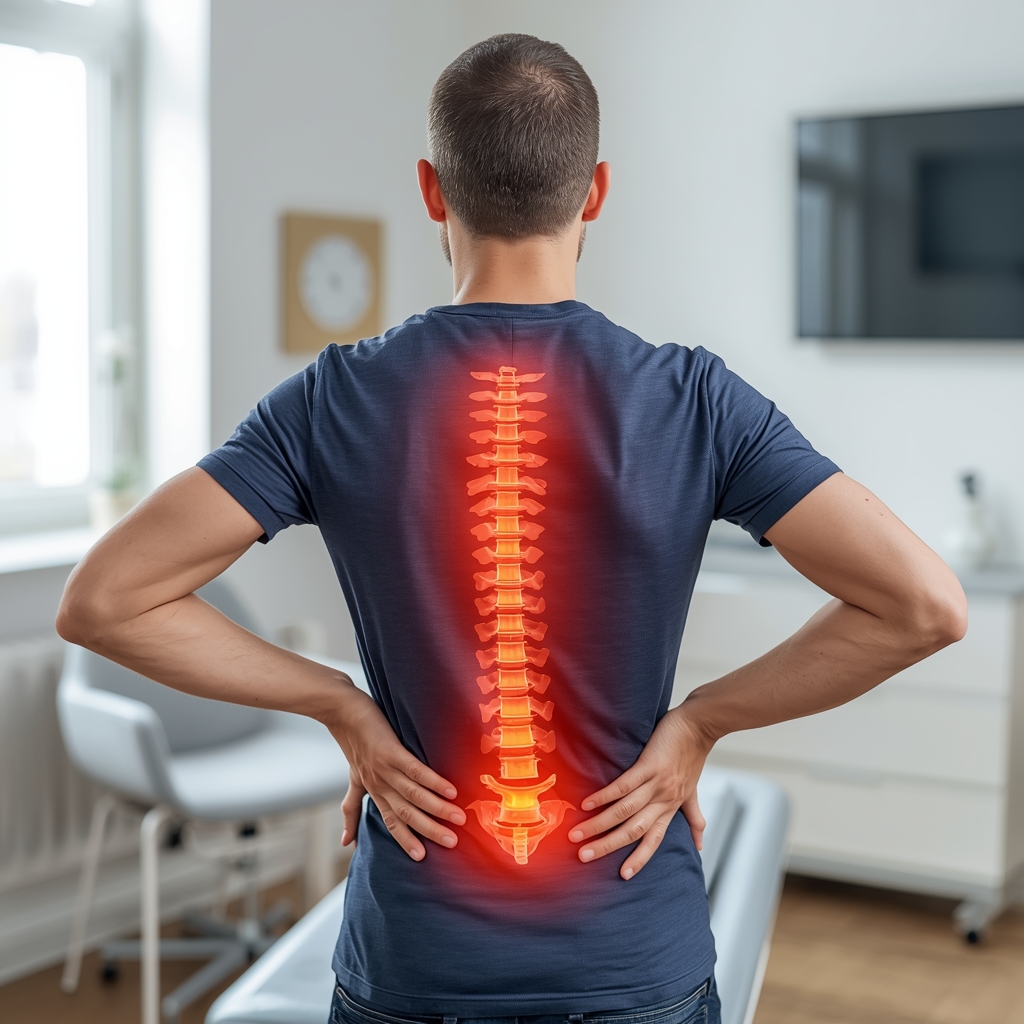
Understanding the Thoracolumbar Fascia and Its Role in Lower Back Pain
The thoracolumbar fascia is a broad, fibrous connective tissue layer that spans the lower back, connecting the spine to the pelvis and lower extremities. It plays a critical role in stabilizing the spine and transmitting mechanical forces during movement. When this tissue becomes injured or overused, it can develop adhesions—abnormal bands of rigid tissue that restrict movement and contribute to chronic lower back pain. These adhesions often form due to repetitive strain, poor posture, or trauma, leading to restricted range of motion, muscle imbalances, and persistent discomfort. Understanding the fascia’s structure and function is essential for addressing pain rooted in its dysfunction.
How Adhesions Form and Impact Mobility
Adhesions in the thoracolumbar fascia typically develop after injuries, surgeries, or prolonged poor posture. They occur when the fascia’s layers stick together, creating tight, inflexible regions that hinder normal movement. This restriction can cause pain by compressing nerves, reducing blood flow, or altering biomechanics. For example, a person with adhesions may experience stiffness when bending or twisting, leading to compensatory movements that strain other areas of the body. Over time, these compensations can worsen lower back pain and contribute to secondary issues like hip or leg discomfort. Identifying adhesions as a root cause is key to targeted treatment strategies.
Active Release Technique (ART) and Fascial Rehabilitation
Active Release Technique (ART) is a soft tissue therapy that targets adhesions, scar tissue, and muscle tightness by combining movement with manual pressure. For the thoracolumbar fascia, ART practitioners use precise, hands-on manipulation while the patient actively moves the affected area. This process helps break up adhesions, restore tissue elasticity, and improve mobility. Unlike general massage, ART focuses on specific problem areas, making it effective for addressing localized fascial restrictions. By restoring the fascia’s natural gliding motion, ART can reduce pain, enhance flexibility, and support long-term recovery for patients with chronic lower back issues.
Specific Applications of ART for Thoracolumbar Adhesions
ART’s application to the thoracolumbar fascia involves identifying and treating adhesions through palpation and movement-based assessment. Practitioners may use techniques like cross-fiber friction to separate adhered tissue layers, followed by guided movements to retrain the fascia’s function. This approach is particularly useful for patients with chronic lower back pain that persists despite conventional treatments. By targeting the fascia directly, ART can alleviate pain caused by restricted movement and improve overall spinal stability. It is often used in conjunction with other therapies, such as stretching or strengthening exercises, to optimize outcomes and prevent recurrence.
Benefits of ART for Chronic Lower Back Pain
Patients with chronic lower back pain often report significant relief after ART sessions targeting the thoracolumbar fascia. By releasing adhesions, ART can reduce inflammation, improve circulation, and restore normal movement patterns. This can lead to decreased pain, increased flexibility, and better posture. Additionally, ART helps address underlying biomechanical issues that may contribute to recurring pain. Many individuals find that ART complements other treatments, such as chiropractic adjustments or physical therapy, creating a more comprehensive care plan. The technique’s focus on soft tissue rehabilitation makes it a valuable option for those seeking non-invasive, drug-free solutions.
When to Consider ART for Fascial Adhesions
If chronic lower back pain persists despite standard treatments, consulting a trained ART practitioner may be beneficial. Adhesions in the thoracolumbar fascia can be challenging to diagnose without specialized assessment, so working with a qualified provider is essential. ART is particularly suited for individuals experiencing stiffness, restricted movement, or pain that worsens with activity. It is also a viable option for those looking to avoid surgery or long-term medication. While ART is not a universal solution, it offers a targeted approach for patients whose pain stems from fascial dysfunction. A chiropractor or physical therapist can help determine if ART is appropriate for an individual’s specific condition.












