
What Is Active Release Technique (ART)?
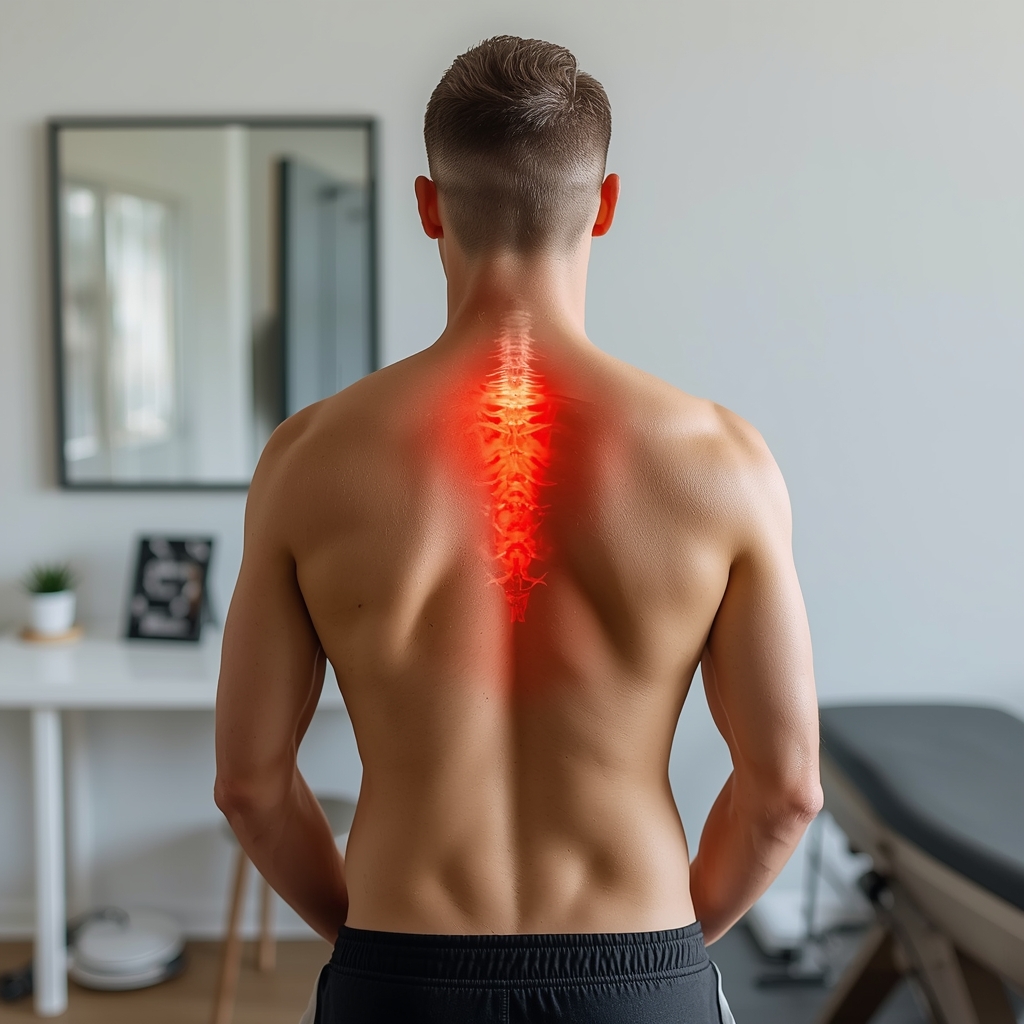
Active Release Technique (ART) is a specialized soft tissue therapy designed to address issues in muscles, tendons, ligaments, and nerves. Developed in the 1980s, it focuses on identifying and resolving restrictions caused by scar tissue, adhesions, or overuse. Practitioners use their hands to apply pressure while the patient moves the affected area, aiming to restore normal function. ART is commonly used for musculoskeletal conditions, particularly in areas with repetitive strain or injury. For the upper back, it targets muscles like the trapezius, rhomboids, and levator scapulae, which are prone to tension from poor posture or physical activity. Unlike general massage, ART is highly specific, with techniques tailored to the patient’s unique needs. It is often integrated into chiropractic care to enhance mobility and alleviate pain. While not a substitute for medical diagnosis, ART is valued for its hands-on approach and focus on soft tissue health.
Common Soft Tissue Restrictions in the Upper Back
The upper back contains complex networks of muscles, fascia, and connective tissues that can develop restrictions due to repetitive motions, poor posture, or injury. Common areas affected include the trapezius, rhomboids, and erector spinae, which support the shoulders and upper spine. Over time, these tissues may form adhesions or become tight, leading to reduced range of motion, discomfort, and even referred pain in the neck or arms. Daily habits like slouching, prolonged computer use, or heavy lifting can contribute to these issues. Restrictions may also result from acute injuries, such as strains or sprains, which disrupt normal tissue elasticity. When soft tissues are compromised, they can irritate nerves or limit joint movement, exacerbating pain. Identifying these restrictions requires a skilled practitioner who can assess tissue texture, tension, and movement patterns. Understanding the root causes helps guide treatment strategies, ensuring targeted interventions like ART address the specific needs of the upper back.
How ART Addresses These Restrictions
ART works by combining manual pressure with specific patient movements to break up adhesions and restore tissue mobility. A chiropractor or trained therapist identifies the affected soft tissues through a thorough assessment, then applies precise pressure while guiding the patient through controlled motions. This process helps separate tangled fibers, reduce inflammation, and improve blood flow to the area. For the upper back, techniques may target tight muscles or restricted fascia, gradually restoring their natural elasticity. The method is dynamic, as the patient’s movement during treatment helps retrain the tissues to function more efficiently. ART also encourages the body’s natural healing processes by reducing mechanical stress on nerves and joints. By addressing the root cause of restrictions, rather than just symptoms, ART can lead to long-term improvements in mobility and comfort. The approach is customizable, allowing practitioners to adjust pressure and movement based on the patient’s tolerance and condition. This personalized strategy makes ART a versatile tool for upper back issues.
Benefits for Mobility and Pain Reduction
By targeting soft tissue restrictions, ART can significantly enhance mobility and reduce pain in the upper back. When adhesions or tightness are released, muscles and fascia regain their natural flexibility, allowing for smoother movement and reduced discomfort. Patients often report improved range of motion, making daily activities like reaching, bending, or lifting easier. The therapy also helps alleviate pain by decreasing pressure on nerves and reducing inflammation in affected areas. For individuals with chronic upper back issues, ART can break the cycle of pain and stiffness, promoting better posture and body mechanics. Additionally, improved tissue function supports overall musculoskeletal health, potentially preventing future injuries. Many find that ART complements other treatments, such as chiropractic adjustments or physical therapy, for a more comprehensive approach. While results vary, the focus on soft tissue health makes ART a valuable option for those seeking non-invasive solutions. It is important to note that outcomes depend on the severity of the condition and consistent follow-up care.
What to Expect During an ART Session
A typical ART session for the upper back begins with a consultation to discuss the patient’s symptoms, medical history, and goals. The practitioner then performs a physical examination to identify areas of restriction. During treatment, the therapist applies direct pressure to the affected tissues while guiding the patient through specific movements. These motions help stretch and reposition the tissues, breaking up adhesions and restoring function. Patients may feel some discomfort, particularly if the area is highly sensitive, but the pressure is adjusted to ensure tolerability. The session usually lasts 15–30 minutes, depending on the complexity of the issue. After treatment, the practitioner may provide recommendations for self-care, such as stretching or avoiding certain movements. Follow-up appointments are often necessary to monitor progress and refine the approach. While ART is generally safe, it is essential to work with a qualified professional to ensure proper technique. The experience is tailored to the individual, with the goal of achieving lasting relief and improved mobility.
When to Consider ART for Upper Back Issues
ART may be a suitable option for individuals experiencing persistent upper back pain, stiffness, or limited mobility that does not improve with rest or basic self-care. It is particularly beneficial for those with chronic conditions, such as muscle tension from poor posture or repetitive strain injuries. If daily activities or sleep are disrupted by discomfort, consulting a chiropractor about ART could be helpful. The technique is also worth considering for individuals recovering from an injury, as it can aid in tissue rehabilitation and prevent long-term complications. However, ART is not a one-size-fits-all solution, and its effectiveness depends on the underlying cause of the issue. A qualified provider can evaluate the condition and determine if ART is appropriate. Patients should also discuss any concerns or medical conditions with their practitioner before starting treatment. While ART is generally safe, it is not a substitute for medical advice. Seeking professional guidance ensures that the approach aligns with the individual’s health needs and goals.











