
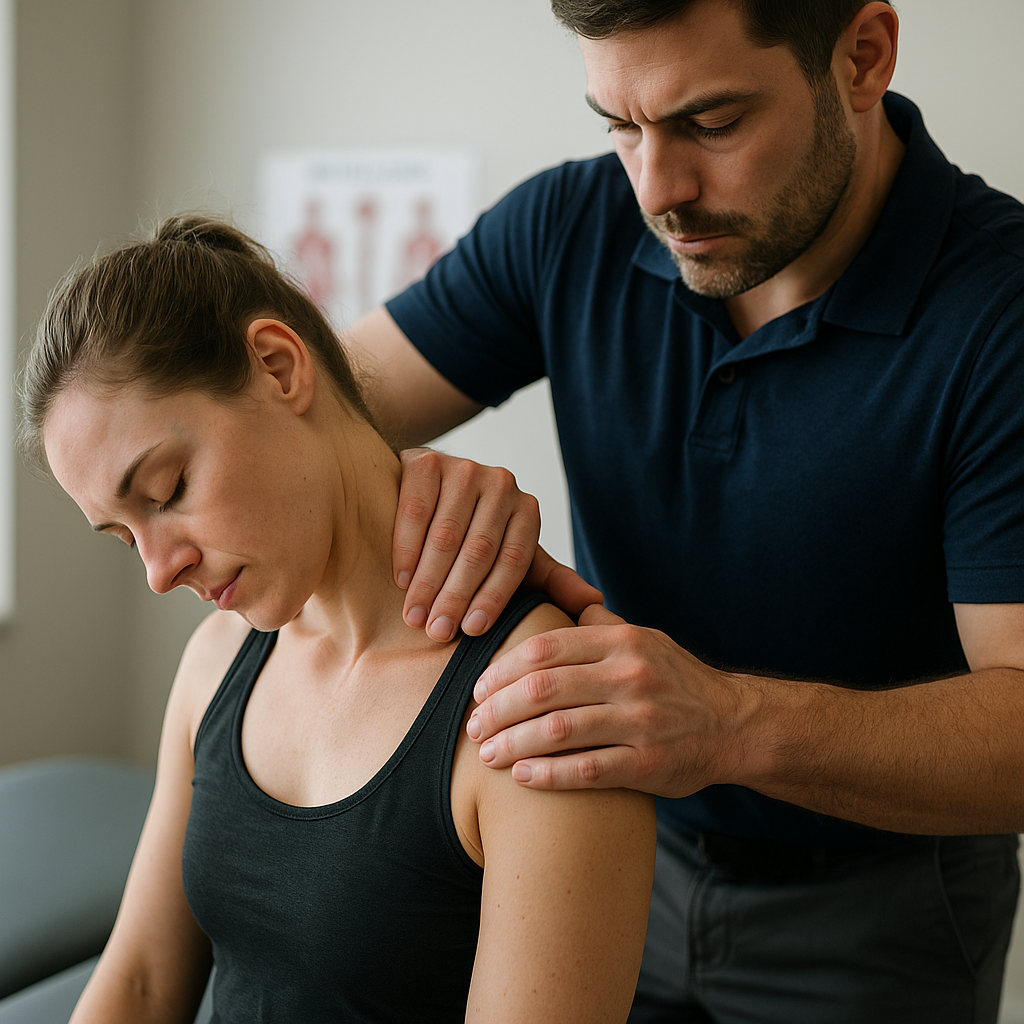
Understanding Active Release Technique (ART): A Comprehensive Overview
If you have ever struggled with chronic muscle pain, nagging sports injuries, or stubborn soft tissue discomfort that simply refuses to heal, you may have come across a treatment method known as Active Release Technique, or ART therapy. This highly specialized, hands-on approach to soft tissue treatment has gained significant recognition among athletes, physical therapists, and chiropractors alike. But what exactly is it, and how does it work? This article breaks down everything you need to know about this powerful therapeutic method.
What Is Active Release Technique?
Active Release Technique is a patented, movement-based soft tissue treatment system that targets problems within muscles, tendons, ligaments, fascia, and nerves. Developed in the 1980s by Dr. P. Michael Leahy, a chiropractor and aerospace engineer, ART was originally designed to address the unique physical demands placed on elite athletes. Over the decades, however, it has evolved into a widely adopted therapeutic protocol used to treat a broad range of musculoskeletal conditions in people of all activity levels.
At its core, ART therapy involves a practitioner applying precise, directed tension to a specific soft tissue structure while the patient performs a targeted movement. This combination of manual pressure and active motion is what distinguishes ART from other conventional soft tissue therapies. The goal is to identify and resolve areas of restriction, scar tissue buildup, and abnormal tissue texture that contribute to pain and limited mobility.
How Does Soft Tissue Become Damaged?
To fully appreciate the value of active release chiropractic care, it helps to understand how soft tissue injuries develop in the first place. The human body is remarkably adaptable, but repeated stress, overuse, and trauma can cause tissue to break down in ways that the body struggles to fully repair on its own. There are three primary mechanisms through which soft tissue damage typically occurs:
- Acute injuries: Sudden pulls, tears, collisions, or falls that cause immediate tissue damage.
- Repetitive strain: Ongoing micro-trauma caused by performing the same movements repeatedly, which is common in office workers, runners, and manual laborers.
- Constant pressure or tension: Prolonged compression of tissues, often from poor posture, improper ergonomics, or sustained static positions.
When the body responds to these types of injuries, it produces dense, fibrous scar tissue as part of the healing process. While scar tissue is a natural and necessary response, it can accumulate in ways that restrict normal movement, reduce oxygen flow to muscles, and create painful adhesions. This is where muscle adhesion release becomes critically important.
The Role of Muscle Adhesion Release in ART
Muscle adhesions are essentially areas where soft tissues have become stuck together or bound by dense scar tissue. These adhesions can form between muscles, between muscles and nerves, or along fascial planes throughout the body. When left untreated, they tend to worsen over time, leading to reduced range of motion, nerve entrapment, chronic pain, and a higher risk of re-injury.
Muscle adhesion release is one of the primary objectives of ART therapy. By applying specific manual tension to the affected tissues while guiding the patient through precise movements, an ART-certified practitioner can effectively break down these adhesions, restore normal tissue gliding, and encourage healthier tissue remodeling. The result is improved flexibility, reduced pain, and better functional movement patterns.
What Does an ART Session Involve?
A typical ART therapy session is both diagnostic and therapeutic. The practitioner begins by evaluating the texture, tightness, and movement quality of the affected soft tissues through careful palpation. Each of the more than 500 specific ART protocols targets a distinct tissue and movement pattern, making this a highly individualized form of treatment.
Once the problem area has been identified, the session proceeds as follows:
- Positioning: The patient is positioned to allow access to the targeted tissue structure.
- Contact: The practitioner applies a precise, controlled amount of tension using their hands or thumbs directly onto the affected tissue.
- Movement: The patient is then guided through a specific active movement that lengthens the tissue while the tension is maintained.
- Release: As the tissue moves under the applied pressure, adhesions are broken down and normal tissue function is progressively restored.
Sessions typically last between 15 and 60 minutes, depending on the number of areas being treated and the complexity of the condition. Most patients begin to notice meaningful improvements within just a few visits, though the total number of sessions required varies based on the severity and duration of the condition.
Conditions Commonly Treated with ART Therapy
One of the most compelling aspects of ART therapy is its versatility. Active release chiropractic practitioners are trained to address a wide spectrum of conditions affecting virtually every region of the body. Some of the most frequently treated conditions include:
- Carpal tunnel syndrome
- Plantar fasciitis
- IT band syndrome
- Rotator cuff injuries
- Shin splints
- Tennis elbow and golfer’s elbow
- Sciatica and nerve entrapment syndromes
- Neck and lower back pain
- Headaches caused by muscle tension
- Knee pain and patellar tendinopathy
Whether the source of pain is a workplace injury, a sports-related overuse condition, or a post-surgical complication involving scar tissue, ART provides a targeted and evidence-informed approach to recovery.
Who Can Perform Active Release Technique?
ART is a strictly regulated and credentialed discipline.












