
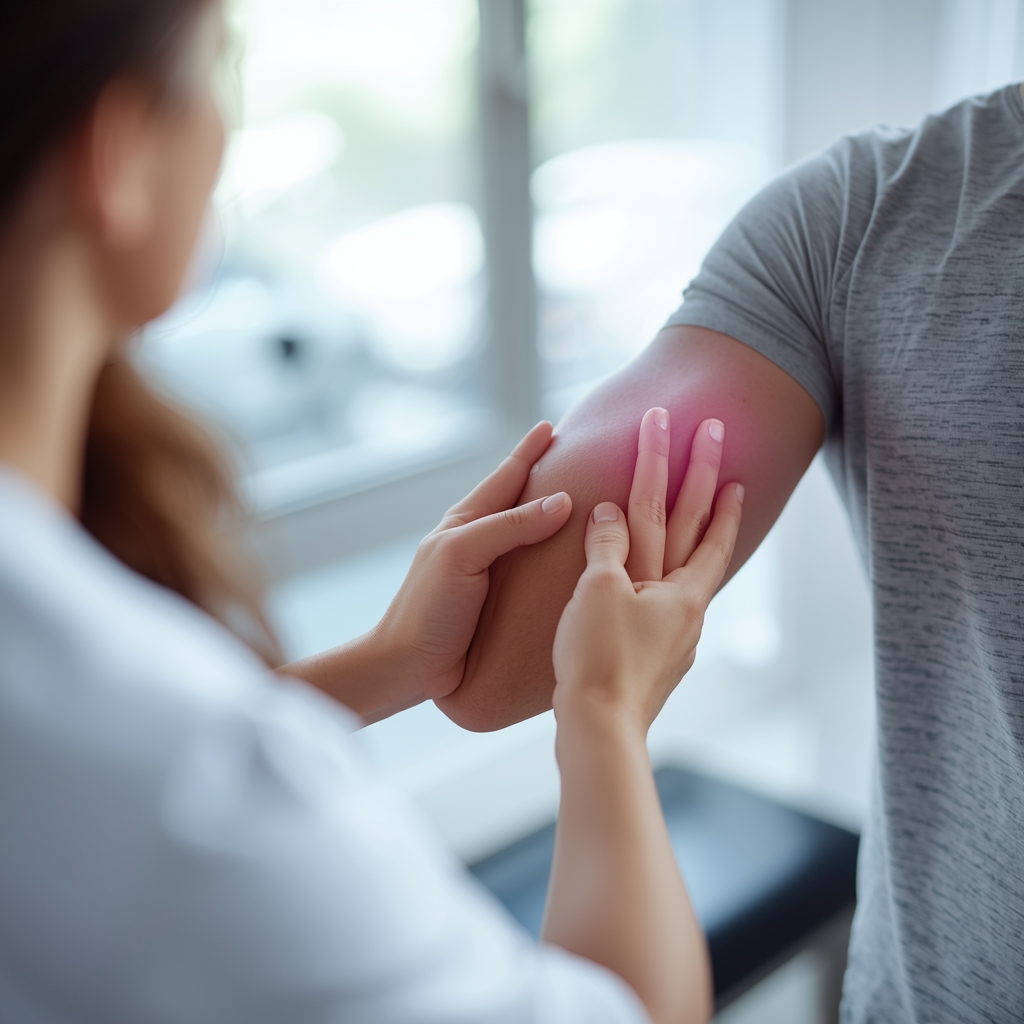
Introduction to Cold Laser Therapy for Musculoskeletal Injuries
Cold laser therapy, also known as low-level laser therapy (LLLT), uses specific wavelengths of light to stimulate cellular function and reduce inflammation. It is commonly used for musculoskeletal conditions, including repetitive strain injuries like tennis elbow. The therapy works by penetrating tissues to promote healing, alleviate pain, and improve mobility. While not a standalone solution, it is often integrated into broader treatment plans. For tennis elbow, which involves overuse of the forearm muscles, cold laser therapy may target affected tendons and surrounding soft tissues. Its non-invasive nature makes it appealing for patients seeking alternatives to medication or surgery. However, protocols vary, and effectiveness depends on factors like treatment duration, frequency, and individual response. Always consult a qualified chiropractor to determine if this therapy aligns with your care goals.
Understanding Tennis Elbow and Repetitive Strain Injuries
Tennis elbow, or lateral epicondylitis, is a common overuse injury affecting the tendons on the outer part of the elbow. It often results from repetitive motions, such as those in sports, typing, or manual labor. Symptoms include pain and tenderness that worsen with activity, limiting daily tasks. Repetitive strain injuries (RSIs) share similar causes, involving repeated stress on muscles, tendons, or nerves. These conditions can be stubborn to treat, as inflammation and microtears in tissues may persist without proper intervention. Traditional approaches include rest, physical therapy, and anti-inflammatory medications. Cold laser therapy offers a complementary option by potentially reducing inflammation and accelerating tissue repair. However, its role in RSIs remains an area of ongoing research, requiring personalized assessment by healthcare providers to ensure safe and effective application.
Key Protocols for Cold Laser Therapy in Tennis Elbow
Effective cold laser therapy protocols for tennis elbow typically involve specific parameters tailored to the injury’s severity. Treatment sessions often use wavelengths between 600-1000 nanometers, which penetrate tissues without causing heat damage. Power levels, duration, and frequency vary: some protocols recommend 3-5 minutes per session, 2-3 times weekly, while others adjust based on patient response. Targeting the lateral epicondyle and surrounding tendons is critical, with the laser applied directly to the affected area. Some practitioners combine cold laser therapy with other modalities, such as ultrasound or electrical stimulation, to enhance outcomes. Consistency is key, as multiple sessions are usually needed to achieve noticeable results. Patients should avoid overuse of the affected arm during treatment and follow their chiropractor’s guidance to optimize healing. Protocols should always be individualized to avoid under- or over-treatment.
Evidence and Research on Cold Laser Therapy for Repetitive Strain
Research on cold laser therapy for tennis elbow and repetitive strain injuries shows mixed but promising results. Some studies suggest it may reduce pain and improve function by decreasing inflammation and promoting collagen synthesis in tendons. However, the evidence is not yet definitive, with variations in study designs, laser parameters, and patient populations. A 2021 review noted that while LLLT could be beneficial, more rigorous, large-scale trials are needed to establish standardized protocols. Patients should approach cold laser therapy with realistic expectations, understanding it may complement rather than replace other treatments. Chiropractors often use it alongside physical therapy, ergonomic adjustments, or activity modification. As with any therapy, individual responses vary, and ongoing communication with healthcare providers is essential to refine the approach and monitor progress effectively.
Integrating Cold Laser Therapy with Other Treatments
Cold laser therapy is most effective when combined with other therapeutic strategies for tennis elbow and repetitive strain injuries. Physical therapy, for instance, can strengthen forearm muscles and improve flexibility, reducing the risk of re-injury. Ergonomic adjustments at work or during hobbies may also alleviate pressure on affected tendons. Chiropractors might recommend exercises, braces, or activity modifications to support recovery. In some cases, adjunct therapies like dry needling or massage can address muscle tightness contributing to elbow pain. Patients should maintain open dialogue with their care team to ensure all interventions align with their goals. While cold laser therapy can accelerate healing, it is not a standalone solution. A holistic approach addressing biomechanics, lifestyle factors, and tissue repair offers the best chance for long-term relief and functional improvement.
Considerations for Safe and Effective Cold Laser Therapy
Before undergoing cold laser therapy for tennis elbow, patients should discuss their medical history with a chiropractor to identify potential contraindications. Individuals with certain skin conditions, photosensitivity, or implanted devices may not be suitable candidates. The therapy should always be administered by a trained professional to ensure proper technique and safety. Patients should also be aware of possible side effects, such as mild warmth or temporary discomfort at the treatment site. It is crucial to avoid self-treatment with over-the-counter laser devices, as improper use can lead to ineffective results or harm. Regular follow-ups with a chiropractor help track progress and adjust protocols as needed. Ultimately, cold laser therapy is one tool in a broader treatment plan, and its success depends on adherence to professional guidance and a commitment to overall recovery strategies.














