
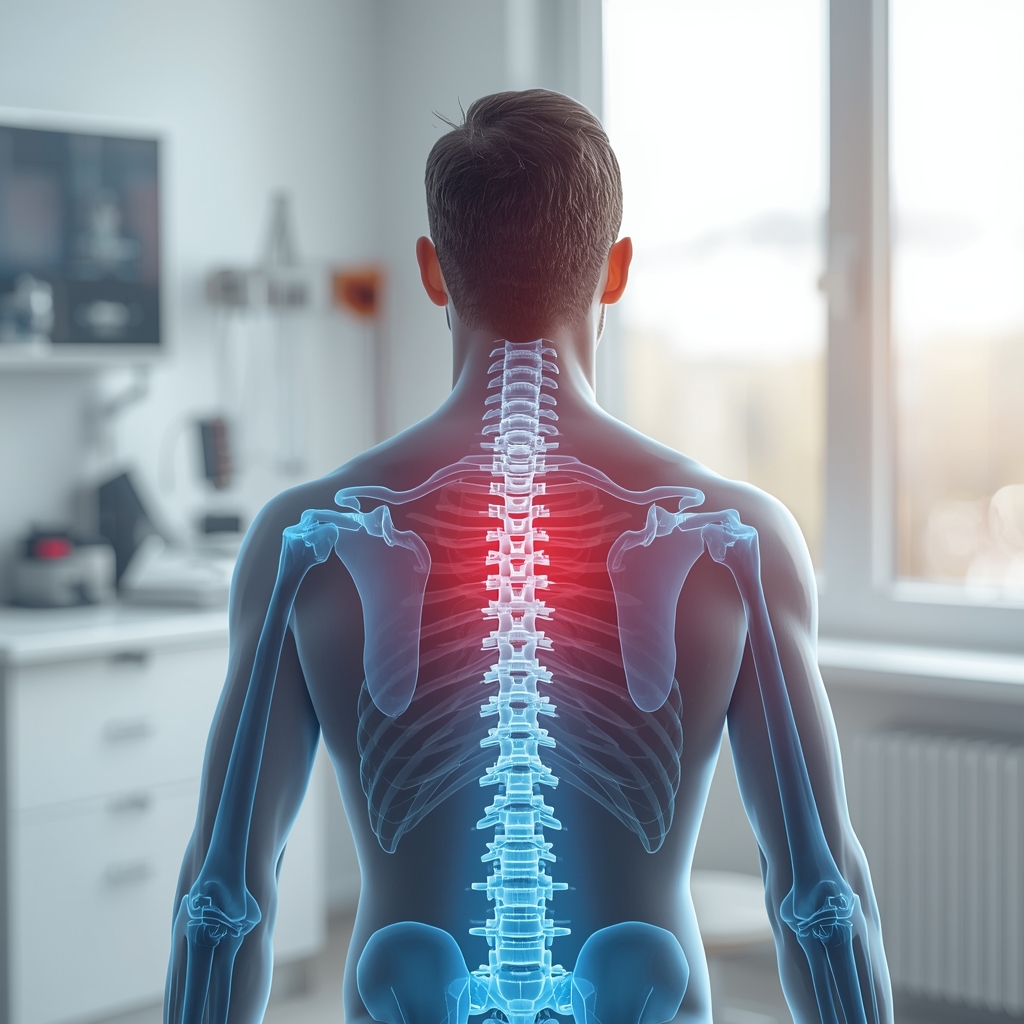
Understanding Chronic Shoulder Rotator Cuff Injuries
Chronic shoulder rotator cuff injuries involve degeneration or tearing of the muscles and tendons that stabilize the shoulder joint. These injuries often develop from repetitive strain, aging, or inadequate recovery after acute trauma. Symptoms include pain, limited range of motion, and weakness, which can persist despite conventional treatments. Managing chronic cases requires targeted, long-term strategies to reduce inflammation, promote tissue repair, and restore function. While traditional chiropractic adjustments focus on spinal and joint alignment, emerging therapies like cold laser therapy offer alternative approaches to address underlying musculoskeletal dysfunction. Understanding these options helps patients and practitioners make informed decisions about care plans.
Cold Laser Therapy: Mechanisms and Protocols
Cold laser therapy, also known as low-level laser therapy (LLLT), uses specific wavelengths of light to stimulate cellular activity and reduce inflammation. The therapy is non-invasive and works by enhancing mitochondrial function, which supports tissue repair and pain relief. For shoulder injuries, protocols typically involve targeting the affected area with precise light energy. Common parameters include wavelengths between 600-1000nm, with power levels adjusted to ensure safety and efficacy. Treatment duration and frequency vary, but sessions often last 5-20 minutes and are repeated multiple times weekly. While research on cold laser’s effectiveness for rotator cuff injuries is ongoing, many practitioners report improved outcomes when integrating this therapy into comprehensive care plans.
Key Cold Laser Protocols for Rotator Cuff Injuries
Effective cold laser protocols for chronic rotator cuff injuries often follow standardized guidelines to optimize results. A typical approach involves using a 808nm diode laser with power settings between 50-100mW, applied directly to the shoulder’s affected tendons and muscles. Sessions usually last 10-20 minutes, with treatments administered 2-3 times per week for several weeks. Some protocols combine cold laser with other modalities, such as ultrasound or therapeutic exercises, to enhance recovery. The goal is to reduce pain, improve circulation, and accelerate tissue healing. Practitioners may adjust parameters based on the patient’s condition, ensuring the therapy is tailored to individual needs. While no universal protocol exists, consistency and adherence to established guidelines are critical for achieving measurable improvements in shoulder function.
Traditional Chiropractic Adjustments for Shoulder Pain
Chiropractic adjustments for shoulder pain focus on realigning the spine and joints to alleviate pressure on nerves and muscles. Techniques like the Diversified or Gonstead methods are commonly used to address misalignments that may contribute to rotator cuff dysfunction. These adjustments aim to restore proper biomechanics, reduce inflammation, and improve mobility. For chronic shoulder issues, chiropractors may also incorporate soft tissue therapies, such as Active Release Technique (ART), to release tight muscles and adhesions. While adjustments provide structural support, they may not directly target the inflammatory processes or degenerative changes seen in chronic rotator cuff injuries. Nonetheless, many patients find relief through a combination of spinal care and rehabilitative strategies tailored to their specific needs.
Comparing Cold Laser and Chiropractic Adjustments
Cold laser therapy and chiropractic adjustments address chronic shoulder rotator cuff injuries through different mechanisms. Cold laser focuses on cellular-level healing, reducing inflammation and promoting tissue regeneration, while adjustments target structural imbalances that may contribute to pain and dysfunction. Cold laser is often used for its non-invasive nature and ability to complement other treatments, whereas adjustments provide immediate relief by restoring joint mobility. Some practitioners integrate both approaches, using cold laser to manage pain and inflammation while chiropractic care addresses underlying biomechanical issues. However, the effectiveness of each method can vary based on the injury’s severity and the patient’s response. Patients should discuss these options with a qualified chiropractor to determine the best combination for their condition.
Choosing the Right Approach: A Collaborative Decision
Deciding between cold laser therapy and traditional chiropractic adjustments for chronic shoulder rotator cuff injuries requires careful consideration of individual needs. Factors such as injury severity, pain levels, and treatment goals play a role in determining the most suitable approach. Cold laser therapy may be beneficial for patients seeking non-invasive options to reduce inflammation, while adjustments can address structural imbalances that contribute to ongoing discomfort. Many chiropractors recommend a holistic strategy, combining therapies to maximize outcomes. Patients should consult with a licensed provider to evaluate their condition and explore treatment plans that align with their health objectives. Open communication with a chiropractor ensures that care remains personalized, adaptable, and focused on long-term recovery.













