
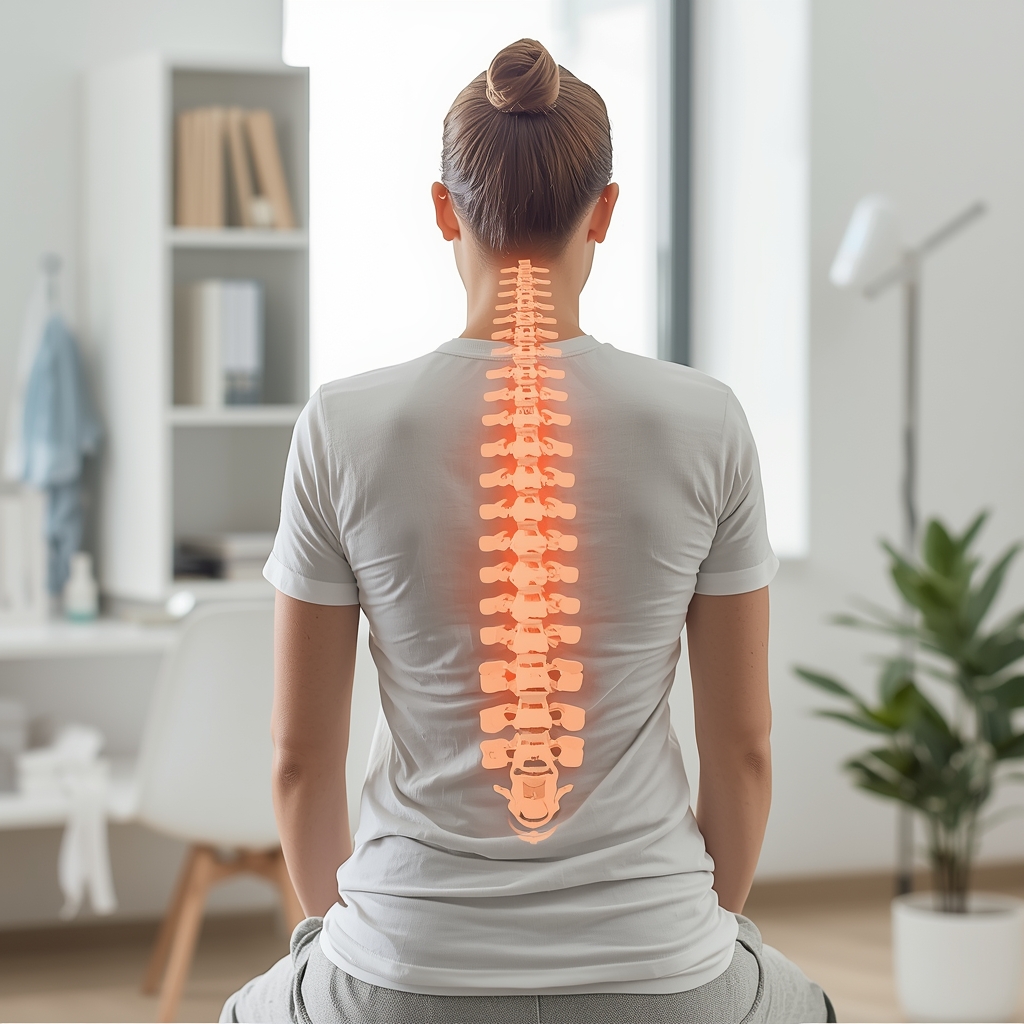
Understanding Adult Scoliosis and Its Unique Challenges
Adult scoliosis often develops due to degenerative changes in the spine, such as disc wear or osteoporosis, rather than rapid growth. Unlike pediatric scoliosis, which may require monitoring or bracing, adult cases frequently involve chronic pain, reduced mobility, and nerve compression. The goal of management is to alleviate discomfort, improve function, and prevent further spinal deterioration. Chiropractors address these challenges by focusing on symptom relief rather than structural correction, as the spine in adults is less malleable. Patients may experience pain in the back, legs, or other areas due to nerve irritation or muscle imbalances. A thorough assessment is critical to tailor strategies that align with the individual’s condition and lifestyle.
Common Chiropractic Techniques for Adult Scoliosis Management
Chiropractors use a variety of techniques to manage adult scoliosis, including spinal adjustments, soft tissue therapies, and rehabilitative exercises. Spinal manipulation, such as the Diversified or Gonstead methods, aims to reduce nerve interference and improve joint mobility. Decompression therapy may be employed to relieve pressure on compressed discs or nerves, while Active Release Technique (ART) targets tight muscles and fascia contributing to pain. These approaches are often combined with corrective exercises to strengthen core stability and improve posture. The emphasis is on gradual, sustainable relief rather than rapid correction. Patients should expect a personalized plan that evolves based on their progress and comfort levels.
How Pediatric Scoliosis Approaches Differ from Adult Strategies
While pediatric scoliosis management often prioritizes monitoring, bracing, or surgery to prevent progression, adult strategies focus on symptom management and quality of life. In children, the spine is still developing, making early intervention critical. For adults, the goal is not to reverse curvature but to mitigate pain and maintain mobility. Techniques like aggressive spinal adjustments or traction, which might be used in younger patients, are typically avoided in adults due to the risk of further strain. Instead, chiropractors emphasize gentle, low-force methods and adjunct therapies. Education on posture, ergonomics, and activity modification also plays a larger role in adult care, as lifestyle factors significantly impact long-term outcomes.
Integrating Adjunct Therapies with Chiropractic Care
Chiropractic care for adult scoliosis is often enhanced by complementary therapies. Cold laser therapy may reduce inflammation and promote tissue healing, while electrical stimulation can ease muscle spasms. Massage therapy and kinesio taping are frequently used to relieve tension and support musculoskeletal function. Corrective exercises, such as those targeting core strength and flexibility, help stabilize the spine and improve posture. These therapies work synergistically with spinal adjustments to address both structural and functional aspects of the condition. Patients should consult their chiropractor to determine which adjuncts are appropriate for their specific needs, as overuse or improper application can exacerbate symptoms.
The Role of Patient Education and Lifestyle Modifications
Empowering patients with knowledge about their condition is a cornerstone of effective scoliosis management. Education on proper posture, lifting techniques, and ergonomic adjustments can reduce strain on the spine. Chiropractors often guide patients in selecting supportive footwear, adjusting workspaces, and avoiding activities that worsen pain. Regular, low-impact exercise—such as swimming or yoga—can enhance flexibility and strength. Additionally, stress management techniques may help alleviate muscle tension. By adopting these lifestyle changes, adults with scoliosis can complement their chiropractic care and foster long-term spinal health. Consistent communication with healthcare providers ensures that these modifications align with the patient’s overall treatment plan.
When to Seek Professional Guidance for Scoliosis Care
While chiropractic care offers valuable tools for managing adult scoliosis, it is not a one-size-fits-all solution. Individuals experiencing severe pain, neurological symptoms, or rapid curvature progression should consult a specialist for a comprehensive evaluation. A chiropractor can collaborate with orthopedic physicians or physical therapists to develop a multidisciplinary approach. It is essential to discuss any new symptoms or treatment concerns with a qualified provider, as misdiagnosis or improper techniques could lead to complications. Regular follow-ups allow for adjustments to the care plan, ensuring it remains effective and safe. Ultimately, a tailored strategy that combines professional expertise with patient engagement is key to optimizing outcomes for adult scoliosis.














