
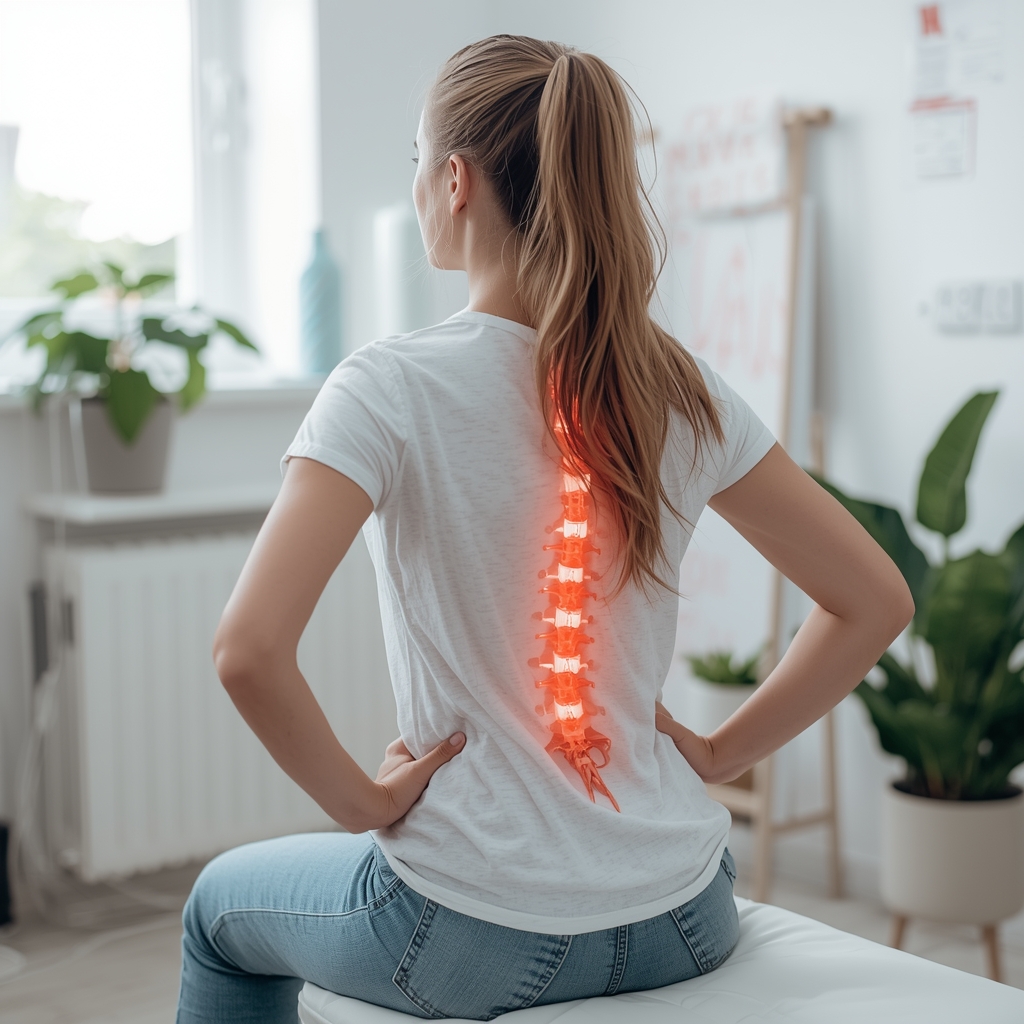
Understanding Adolescent Scoliosis
Adolescent scoliosis refers to an abnormal sideways curvature of the spine that develops during the growth spurt of puberty. Unlike adult scoliosis, which often stems from degenerative changes, adolescent cases are typically idiopathic, meaning the exact cause is unknown. This condition affects about 2-3% of children aged 10-18, with girls being more likely to require treatment. The spine’s curvature can range from mild to severe, potentially impacting posture, breathing, and overall quality of life. Early detection through school screenings or physical exams is critical, as untreated cases may worsen. While some adolescents experience no symptoms, others may notice uneven shoulders, a tilted pelvis, or back pain. Understanding the unique nature of adolescent scoliosis helps guide appropriate management strategies, including chiropractic care, which focuses on supporting spinal health without invasive interventions.
Chiropractic Approaches for Adolescents
Chiropractic care for adolescent scoliosis emphasizes non-invasive, personalized strategies to manage spinal curvature and support healthy development. Techniques such as spinal adjustments, soft tissue therapy, and corrective exercises are commonly used to improve alignment and alleviate discomfort. Chiropractors may also incorporate posture training and activity modifications to reduce strain on the spine. Unlike adult treatments, which sometimes prioritize pain relief, adolescent care often focuses on preventing progression of the curve through regular monitoring and gentle interventions. For example, specific adjustments may aim to restore balance in the musculoskeletal system, while exercises could strengthen core muscles to support spinal stability. These approaches are typically tailored to the child’s age, curve severity, and overall health, ensuring a safe and effective path to better spinal function.
Differences in Adult Treatments
Adult scoliosis management often differs from adolescent care due to factors like reduced spinal flexibility and the presence of degenerative changes. While chiropractic adjustments may still play a role, adults might require more intensive therapies, such as bracing, physical therapy, or even surgical options for severe cases. Adult treatments often prioritize pain relief and mobility, whereas adolescent care focuses on halting curve progression. For instance, adults with degenerative disc disease may benefit from decompression therapy or targeted exercises, which are less commonly used in adolescents. Additionally, adult scoliosis can be linked to conditions like osteoporosis, necessitating a different approach. Chiropractors working with adults may integrate more advanced diagnostics or collaborate with other specialists to address complex needs. These distinctions highlight the importance of age-specific strategies in scoliosis care.
The Role of Early Intervention
Early intervention is crucial in managing adolescent scoliosis, as the spine is still developing and more responsive to non-invasive treatments. Chiropractic care initiated during the growth phase can help guide spinal development and reduce the risk of severe curvature. Regular adjustments and monitoring allow chiropractors to track changes and adjust strategies as needed. For example, a child with a mild curve may benefit from periodic spinal manipulations and postural exercises to maintain alignment. Early intervention also helps address associated issues like muscle imbalances or pain, which can impact daily activities. By working closely with a chiropractor, families can create a proactive plan that supports the child’s physical growth and long-term spinal health. This approach not only improves outcomes but also minimizes the need for more aggressive treatments later in life.
Integrating Chiropractic Care with Other Therapies
Chiropractic care for adolescent scoliosis is often most effective when combined with other therapeutic approaches. Bracing, for instance, may be recommended for moderate curves to prevent progression, while chiropractic adjustments can complement this by improving spinal mobility and reducing discomfort. Physical therapy exercises, such as those targeting core strength and flexibility, also play a key role in supporting spinal stability. Chiropractors may collaborate with orthopedic specialists or physical therapists to create a comprehensive treatment plan. Additionally, lifestyle modifications—like ergonomic adjustments at school or home—can further enhance outcomes. This multidisciplinary approach ensures that all aspects of the child’s condition are addressed, from structural alignment to overall musculoskeletal health. By integrating these strategies, adolescents can achieve better long-term results and maintain a higher quality of life.
When to Seek Professional Guidance
If a child exhibits signs of scoliosis, such as uneven shoulders or a visible spinal curve, consulting a qualified chiropractor is an important first step. A chiropractor can perform a thorough evaluation to determine the severity of the condition and recommend appropriate care. It’s essential to work with a provider experienced in adolescent spinal health, as treatment plans must account for the child’s unique needs and growth patterns. While chiropractic care can be a valuable component of scoliosis management, it should not replace medical advice from a physician or orthopedic specialist. Parents should also be aware that not all cases require intervention, and regular monitoring may be sufficient for mild curves. Ultimately, a collaborative approach between chiropractors, medical professionals, and families ensures the best possible outcomes for adolescents with scoliosis.














