
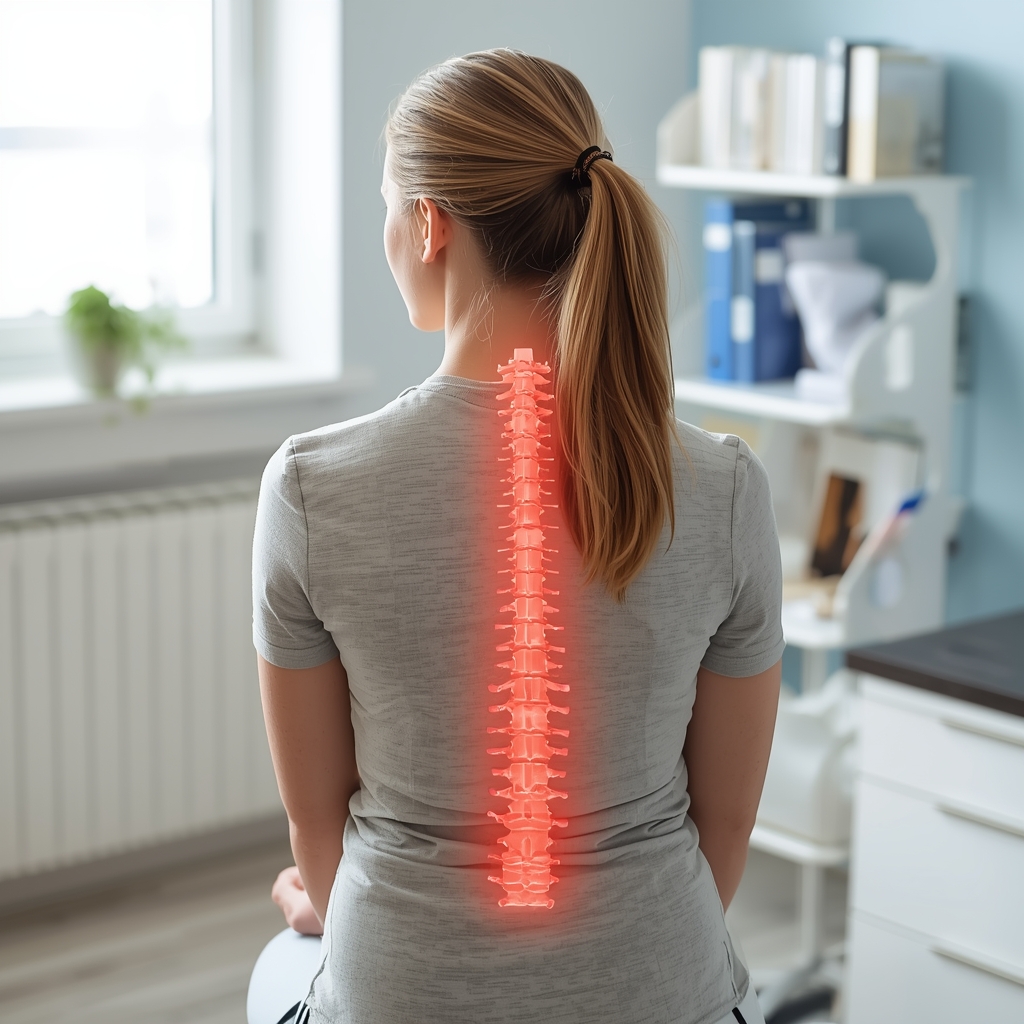
Understanding Mild Scoliosis in Adolescents
Mild scoliosis refers to an abnormal lateral curvature of the spine, typically measuring between 10 and 25 degrees. While many cases are asymptomatic, early detection is critical for managing progression. Adolescents are particularly vulnerable due to rapid growth spurts, which can exacerbate spinal imbalances. Parents and caregivers should be aware of subtle signs, such as uneven shoulders, a tilted pelvis, or one hip appearing higher than the other. Regular screenings by healthcare professionals, including chiropractors, can help identify these issues early. While mild scoliosis may not require aggressive intervention, proactive management is essential to prevent worsening. Chiropractic care often plays a role in maintaining spinal alignment and supporting musculoskeletal health during this developmental stage.
Chiropractic Adjustments and Spinal Alignment
Chiropractic adjustments are a cornerstone of managing mild scoliosis, focusing on restoring proper spinal mechanics. These techniques involve gentle, targeted manipulations to correct misalignments and reduce pressure on nerves. For adolescents, adjustments are tailored to be safe and comfortable, avoiding excessive force. The goal is to improve posture, alleviate discomfort, and support the body’s natural ability to maintain balance. While adjustments alone may not reverse curvature, they can help slow progression by addressing biomechanical stressors. Chiropractors often combine adjustments with other strategies, such as muscle therapy or lifestyle recommendations, to create a holistic approach. Regular sessions allow for ongoing monitoring and adjustments to the care plan as the adolescent grows.
Corrective Exercises and Posture Training
Corrective exercises are a vital component of scoliosis management, designed to strengthen weak muscles and improve spinal stability. These exercises, often developed in collaboration with chiropractors, focus on enhancing core strength, flexibility, and posture. Activities like yoga, Pilates, and specific stretching routines can help balance musculature around the spine, reducing asymmetrical strain. Posture training educates adolescents on maintaining proper alignment during daily activities, such as sitting, standing, and sleeping. By reinforcing healthy movement patterns, these interventions can complement chiropractic adjustments and reduce the risk of worsening curvature. It’s important to note that exercises should be personalized to the individual’s needs and supervised by a qualified professional to ensure safety and effectiveness.
Monitoring Progress and Preventing Worsening
Consistent monitoring is essential for adolescents with mild scoliosis to track spinal changes and adjust care plans accordingly. Chiropractors may use regular assessments, including physical exams and imaging if necessary, to evaluate curvature progression. Early detection of worsening symptoms allows for timely interventions, such as modifying treatment approaches or referring to a specialist. Parents should also observe for signs of increased discomfort, changes in gait, or visible spinal deformities. By maintaining open communication with healthcare providers, families can ensure that management strategies remain effective as the adolescent grows. This proactive approach helps minimize the likelihood of more severe scoliosis requiring bracing or surgery, emphasizing the value of ongoing care.
Integrating Chiropractic Care with Other Therapies
Chiropractic care is often most effective when integrated with complementary therapies to address the multifaceted nature of scoliosis. Physical therapy, for instance, can enhance muscle strength and flexibility, working in tandem with chiropractic adjustments to improve spinal stability. Massage therapy may also be beneficial in relieving muscle tension that contributes to postural imbalances. In some cases, orthopedic specialists may recommend bracing for adolescents at higher risk of progression, which can be coordinated with chiropractic support. This multidisciplinary approach ensures that all aspects of the condition are addressed, from structural alignment to muscular function. Chiropractors play a key role in facilitating these collaborations, ensuring that care remains cohesive and patient-centered.
When to Consult a Chiropractor for Scoliosis
If an adolescent exhibits signs of scoliosis, such as uneven shoulders or a visible spinal curve, consulting a chiropractor is a proactive step. Chiropractors specializing in pediatric care can conduct thorough evaluations to determine the severity of the condition and recommend appropriate interventions. While mild scoliosis may not require immediate treatment, regular check-ups can help monitor changes and guide preventive measures. It’s important to seek care from a qualified provider with experience in adolescent spinal health to ensure safe and effective management. Families should also discuss any concerns about growth patterns or discomfort with their chiropractor. By prioritizing early intervention, parents can support their child’s long-term musculoskeletal well-being and reduce the risk of complications.













