
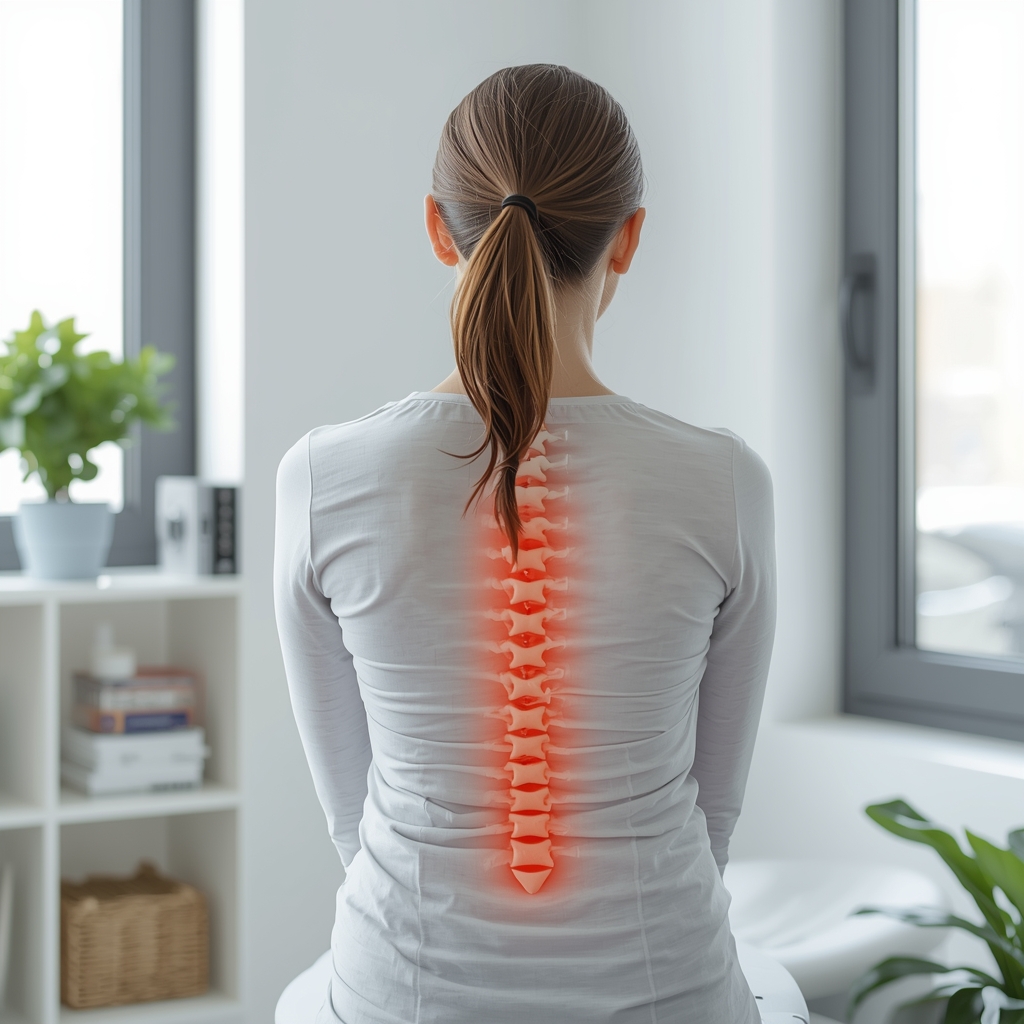
Understanding Idiopathic Scoliosis in Adolescents
Idiopathic scoliosis refers to spinal curvature with no identifiable cause, commonly diagnosed during adolescence. While the exact origin remains unknown, it affects posture, balance, and may lead to long-term complications if untreated. Chiropractic care is often explored as a complementary approach to manage symptoms and support spinal health. However, it is crucial to emphasize that chiropractic techniques should never replace evidence-based medical treatments like bracing or surgery for significant curves. Instead, they may be part of a multidisciplinary strategy to address discomfort, improve mobility, and enhance quality of life. Parents and caregivers should consult with orthopedic specialists and licensed chiropractors to develop a tailored plan that prioritizes safety and aligns with the adolescent’s specific needs.
Common Chiropractic Techniques for Scoliosis Management
Chiropractors may employ various techniques to address spinal misalignments and improve function in adolescents with scoliosis. Spinal manipulation, a core chiropractic method, involves gentle adjustments to restore mobility and reduce nerve interference. The Diversified technique, for example, uses manual thrusts to realign vertebrae, while the Gonstead method focuses on precise, low-force corrections. Soft tissue therapies, such as myofascial release, may also be used to alleviate muscle tension around the spine. Additionally, some practitioners incorporate corrective exercises or posture training to support long-term stability. These approaches aim to enhance spinal flexibility and reduce discomfort, though their effectiveness varies based on the individual’s condition and the chiropractor’s expertise. Always seek a provider with experience in pediatric care to ensure safety and appropriateness.
Safety and Risks of Chiropractic Care for Adolescents
When performed by a qualified chiropractor, spinal adjustments and related therapies are generally considered safe for adolescents. However, it is essential to recognize that scoliosis involves complex spinal dynamics, and improper techniques could pose risks. For instance, excessive force or incorrect targeting of the spine may lead to temporary discomfort or exacerbate existing issues. To mitigate these risks, chiropractors should conduct thorough evaluations, including imaging if necessary, to understand the curvature’s severity and unique characteristics. Parents should also communicate openly with their child’s healthcare team to ensure chiropractic care complements other treatments. While adverse effects are rare, the priority remains the adolescent’s well-being. Choosing a licensed, experienced provider with a focus on pediatric scoliosis care is critical to achieving safe and effective outcomes.
Evidence and Research on Chiropractic for Scoliosis
Research on chiropractic care for idiopathic scoliosis in adolescents is limited, with most studies focusing on symptom management rather than curvature correction. Some reports suggest that spinal adjustments may help alleviate pain, improve posture, and enhance mobility in mild cases. However, there is no conclusive evidence that chiropractic techniques can reverse or significantly reduce spinal curvature. Large-scale, randomized trials are needed to establish definitive guidelines. Despite this, many families report subjective improvements in their child’s comfort and activity levels after chiropractic interventions. It is important to approach these outcomes with caution, as they may reflect placebo effects or the natural progression of the condition. Chiropractic care should always be viewed as an adjunct to, not a substitute for, conventional medical treatments like bracing or surgery when indicated.
The Role of Chiropractic in Comprehensive Scoliosis Care
Chiropractic care can play a supportive role in managing idiopathic scoliosis by addressing related musculoskeletal issues and promoting overall spinal health. For example, it may help reduce muscle spasms, improve range of motion, and enhance the effectiveness of physical therapy or bracing. However, it is not a standalone solution for correcting spinal curvature. A holistic approach often involves collaboration between chiropractors, orthopedic specialists, and physical therapists to create a balanced treatment plan. This may include regular monitoring of the spine’s progression, targeted exercises, and lifestyle adjustments. Adolescents and their families should understand that chiropractic care is most effective when integrated with other evidence-based strategies. Open communication among all healthcare providers ensures that the adolescent receives coordinated, patient-centered care tailored to their evolving needs.
Choosing a Qualified Chiropractor for Pediatric Scoliosis
Parents seeking chiropractic care for their adolescent’s scoliosis should prioritize finding a licensed provider with experience in pediatric cases. Look for chiropractors who have completed additional training in scoliosis management or have a track record of working with adolescents. Initial consultations should include a thorough assessment of the child’s medical history, current symptoms, and treatment goals. A reputable chiropractor will collaborate with the family’s primary care physician or orthopedic specialist to ensure a cohesive approach. It is also essential to discuss the expected outcomes, potential risks, and any limitations of chiropractic interventions. By selecting a provider who emphasizes patient education and evidence-based practices, families can make informed decisions that align with their child’s health and well-being.













