
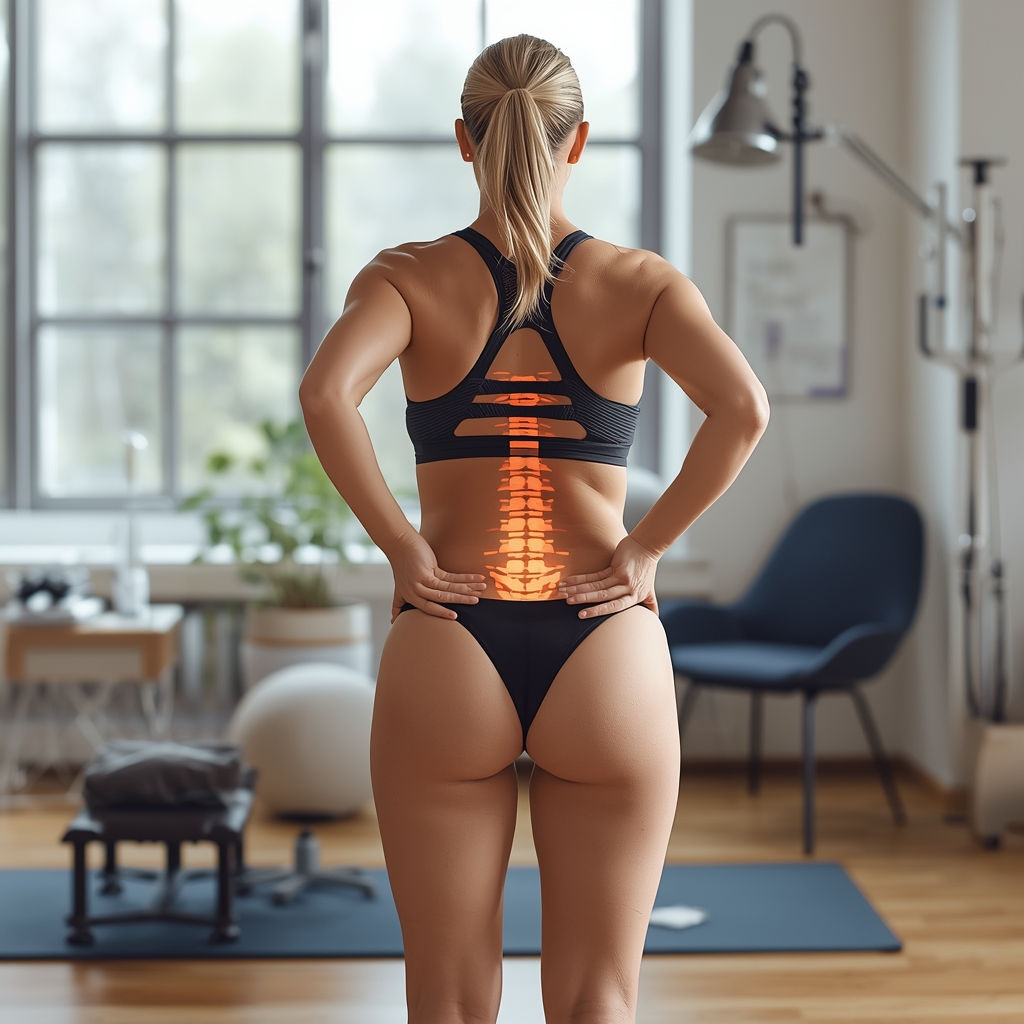
Understanding Sacroiliac Joint Dysfunction in Athletes
Sacroiliac joint dysfunction (SIJD) is a common source of lower back and pelvic pain, particularly in athletes due to repetitive stress and high-impact movements. The sacroiliac joint connects the pelvis to the spine, and dysfunction here can lead to instability, inflammation, or misalignment. Athletes may experience pain during activities like running, jumping, or twisting, which can impair performance and increase injury risk. Early and accurate diagnosis is critical to prevent chronic issues. Functional movement tests are essential tools for identifying SIJD, as they assess how the joint behaves under dynamic conditions. These tests complement imaging and physical exams, offering insights into biomechanical imbalances. Understanding these assessments helps athletes and healthcare providers address the root causes of pain effectively.
What Are Functional Movement Assessments?
Functional movement assessments evaluate how the body moves during real-world activities, focusing on range of motion, stability, and coordination. For SIJD, these tests simulate athletic movements to detect abnormalities in the sacroiliac joint. Unlike static exams, they reveal how the joint functions under load, which is vital for diagnosing instability or dysfunction. Common techniques include the FABER test, Gaenslen’s test, and the standing flexion test. These assessments are non-invasive, cost-effective, and provide immediate feedback. They also help differentiate SIJD from other conditions like lumbar disc issues or hip pathology. By identifying movement patterns that stress the sacroiliac joint, clinicians can tailor interventions to restore function and prevent further injury.
Key Functional Tests for SIJD Diagnosis
Several functional tests are widely used to assess SIJD. The FABER (Flexion, Abduction, External Rotation) test involves lying on the back with the knee bent, then gently pressing the knee to the opposite shoulder to stress the sacroiliac joint. Pain or discomfort during this maneuver may indicate dysfunction. Gaenslen’s test, performed in a prone position, involves rotating the leg inward to assess joint stability. The standing flexion test asks the athlete to bend forward while standing, observing for pain or restriction. These tests are often combined with others, such as the Patrick test or the Newton test, to cross-validate findings. Each test isolates specific movements that challenge the sacroiliac joint, helping clinicians pinpoint the source of pain. However, results should always be interpreted alongside patient history and other diagnostic tools.
Reliability and Clinical Utility of These Tests
While functional movement tests are valuable, their reliability depends on proper technique and clinician expertise. Studies suggest that tests like the FABER and Gaenslen’s are commonly used in clinical settings, though their sensitivity and specificity vary. Consistency in administration is key to reducing false positives or negatives. Athletes with SIJD often report pain during specific movements, making these tests effective for identifying biomechanical dysfunctions. However, they should not replace imaging or physical exams but rather complement them. For example, an athlete might pass a functional test but still have underlying structural issues. Clinicians must integrate test results with patient symptoms and other assessments to ensure accurate diagnoses. This holistic approach enhances the likelihood of effective treatment plans.
The Role of Chiropractors in Functional Assessment
Chiropractors play a crucial role in diagnosing and managing SIJD through functional movement assessments. Their training in musculoskeletal evaluation allows them to interpret test results within the context of an athlete’s activity level and goals. By combining these tests with spinal exams and patient history, chiropractors can identify patterns of dysfunction and develop targeted care plans. They may also use adjustments, soft tissue therapy, or rehabilitation exercises to address SIJD. However, these tests are part of a broader diagnostic process, not standalone solutions. Athletes should consult a qualified chiropractor to determine which assessments are appropriate for their condition. Collaboration with other healthcare providers ensures comprehensive care, especially when multiple factors contribute to pain or dysfunction.
Conclusion: Integrating Functional Tests for Better Outcomes
Functional movement tests are indispensable tools for diagnosing sacroiliac joint dysfunction in athletes, offering insights into dynamic joint behavior. Tests like the FABER and Gaenslen’s maneuver help identify instability or pain during specific movements, guiding targeted interventions. However, their effectiveness relies on proper technique and integration with other diagnostic methods. Athletes experiencing persistent lower back or pelvic pain should seek professional evaluation to determine the best approach. Chiropractors, with their expertise in musculoskeletal assessment, can help interpret these tests and develop personalized care strategies. By focusing on functional movement, clinicians can address the root causes of SIJD, supporting athletes in maintaining performance and preventing long-term complications.














