
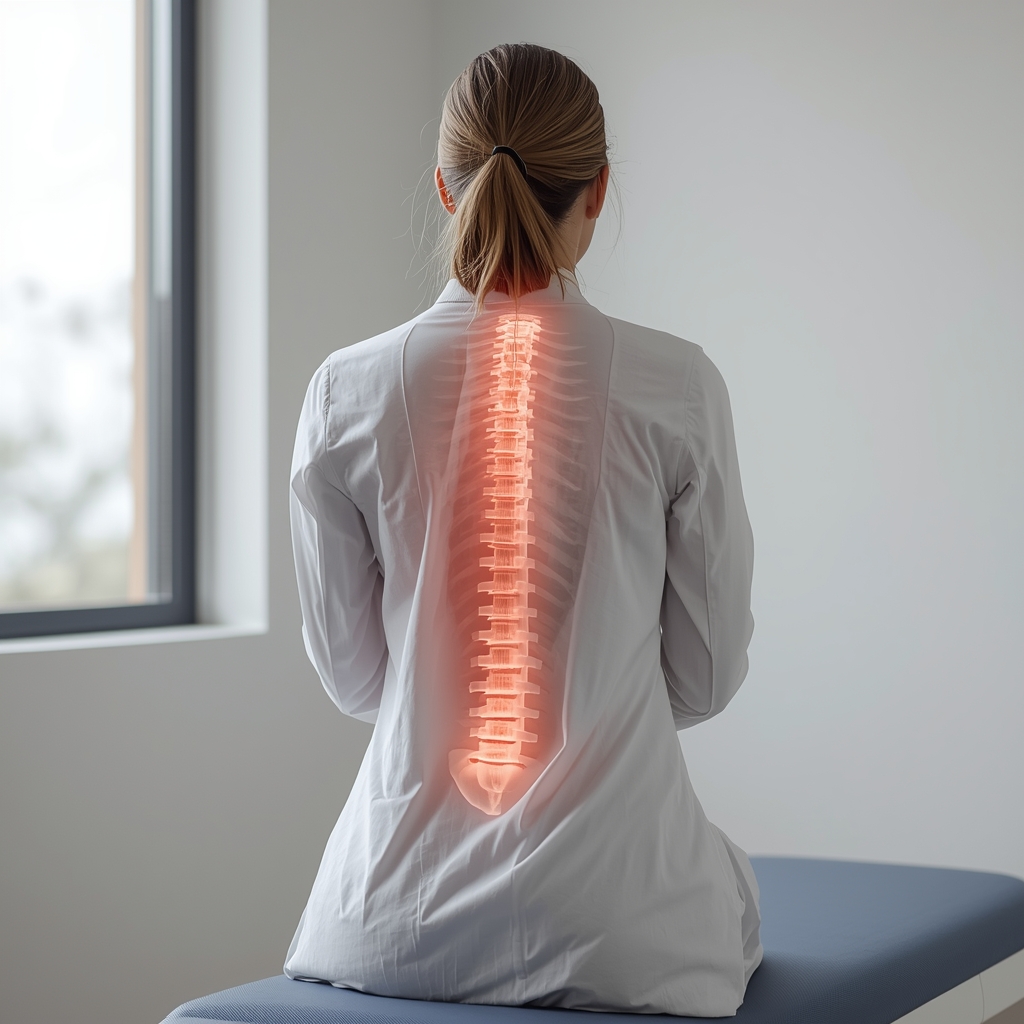
Understanding Sacroiliac Joint Dysfunction
Sacroiliac joint dysfunction occurs when the joints connecting the sacrum to the pelvis become misaligned or inflamed, causing pain in the lower back, hips, or legs. Diagnosing this condition without imaging requires a thorough physical examination, as symptoms can overlap with other spinal or musculoskeletal issues. Chiropractors and healthcare providers rely on specific techniques to identify the source of discomfort, focusing on movement, palpation, and patient-reported symptoms. A comprehensive assessment helps differentiate sacroiliac joint dysfunction from conditions like sciatica or lumbar disc herniation, ensuring targeted care. Understanding the anatomy and biomechanics of the sacroiliac joint is critical for accurate diagnosis, as misinterpretation can lead to ineffective treatment plans.
Physical Examination Techniques for Diagnosis
Key physical examination techniques for diagnosing sacroiliac joint dysfunction include the FABER (Flexion, ABduction, and External Rotation) test, the Gaenslen’s test, and the Patrick’s test. These maneuvers assess joint mobility and provoke pain to identify dysfunction. Palpation of the sacroiliac region helps detect tenderness, swelling, or abnormal movement patterns. Additionally, evaluating the patient’s gait and posture can reveal compensatory behaviors linked to joint instability. Providers often combine these methods with a review of the patient’s medical history to build a clinical picture. While these techniques are widely used, their accuracy depends on the examiner’s experience and the patient’s ability to communicate symptoms clearly.
Assessing Joint Mobility and Stability
Evaluating sacroiliac joint mobility involves observing the patient’s range of motion during specific movements, such as forward bending or side bending. A restricted or painful motion may indicate dysfunction. Stability tests, like the sacral compression or distraction tests, assess whether the joint is hypermobile or hypomobile. These assessments help determine if the joint is contributing to the patient’s pain. However, results must be interpreted cautiously, as some movements may mimic other conditions. Providers often use a combination of static and dynamic tests to cross-verify findings. This multi-faceted approach reduces the risk of misdiagnosis and ensures a more accurate evaluation of the sacroiliac joint’s role in the patient’s symptoms.
Provocative and Stress Tests
Provocative tests, such as the sacroiliac joint injection or the use of pressure on the iliac crests, are designed to reproduce the patient’s pain and confirm the joint’s involvement. Stress tests, like the thigh thrust or the compression test, apply controlled force to the joint to identify instability. These methods are particularly useful when symptoms are ambiguous or when other diagnostic tools are unavailable. However, they require careful execution to avoid causing unnecessary discomfort. Patients may experience temporary pain during these tests, which can help differentiate sacroiliac joint dysfunction from other sources. When performed correctly, these techniques provide valuable insights into the joint’s functional status.
Integrating Patient History and Symptom Patterns
A detailed patient history is essential for diagnosing sacroiliac joint dysfunction. Providers inquire about the onset of pain, activities that exacerbate or alleviate symptoms, and any prior injuries or medical conditions. For example, pain that worsens with prolonged sitting or standing may suggest joint instability. Patients often report radiating pain to the groin or thigh, which can overlap with other conditions. Combining this information with physical findings enhances diagnostic accuracy. However, subjective reports alone are insufficient, as they can be influenced by the patient’s perception of pain. A holistic approach—melding history, examination, and clinical judgment—ensures a more reliable diagnosis.
Differential Diagnosis and Clinical Judgment
Diagnosing sacroiliac joint dysfunction requires distinguishing it from similar conditions, such as lumbar radiculopathy or hip osteoarthritis. Clinical judgment plays a vital role in interpreting test results and considering the patient’s overall presentation. Providers may use exclusionary methods, ruling out other causes before confirming the diagnosis. This process is critical, as treatment strategies vary significantly between conditions. While physical examination techniques are valuable, they are not foolproof. In cases of uncertainty, referral to a specialist or additional diagnostic tools may be necessary. Ultimately, the goal is to provide a precise diagnosis that guides effective, patient-centered care.












