
Understanding Sacroiliac Joint Dysfunction
Sacroiliac joint dysfunction (SIJD) occurs when the joints connecting the sacrum to the pelvis become misaligned or inflamed, causing lower back and pelvic pain. This condition often mimics other spinal issues, making accurate diagnosis critical. Patients may experience localized pain, radiating discomfort, or difficulty with movement. Chiropractors play a key role in identifying SIJD through a combination of patient history, physical exams, and diagnostic tools. However, the complexity of the sacroiliac region means that no single test is foolproof. A thorough approach ensures that treatment addresses the root cause rather than just symptoms. Understanding the diagnostic process helps patients appreciate the importance of collaboration with their chiropractor for effective care.
Clinical Tests for Identifying SIJD
Chiropractors often begin with physical exams and specific clinical tests to assess sacroiliac joint function. Common maneuvers include the FABER (Flexion, Abduction, External Rotation) test, Gaenslen’s test, and the Patrick’s test, which evaluate pain or instability during movement. These tests help differentiate SIJD from lumbar disc issues or hip pathology. However, their reliability varies, as results can be influenced by patient positioning, muscle tension, or comorbid conditions. While these exams provide initial insights, they are typically combined with imaging to confirm findings. A skilled chiropractor interprets these tests within the broader context of the patient’s symptoms and medical history, ensuring a more accurate diagnosis.
Imaging Techniques for Confirming SIJD
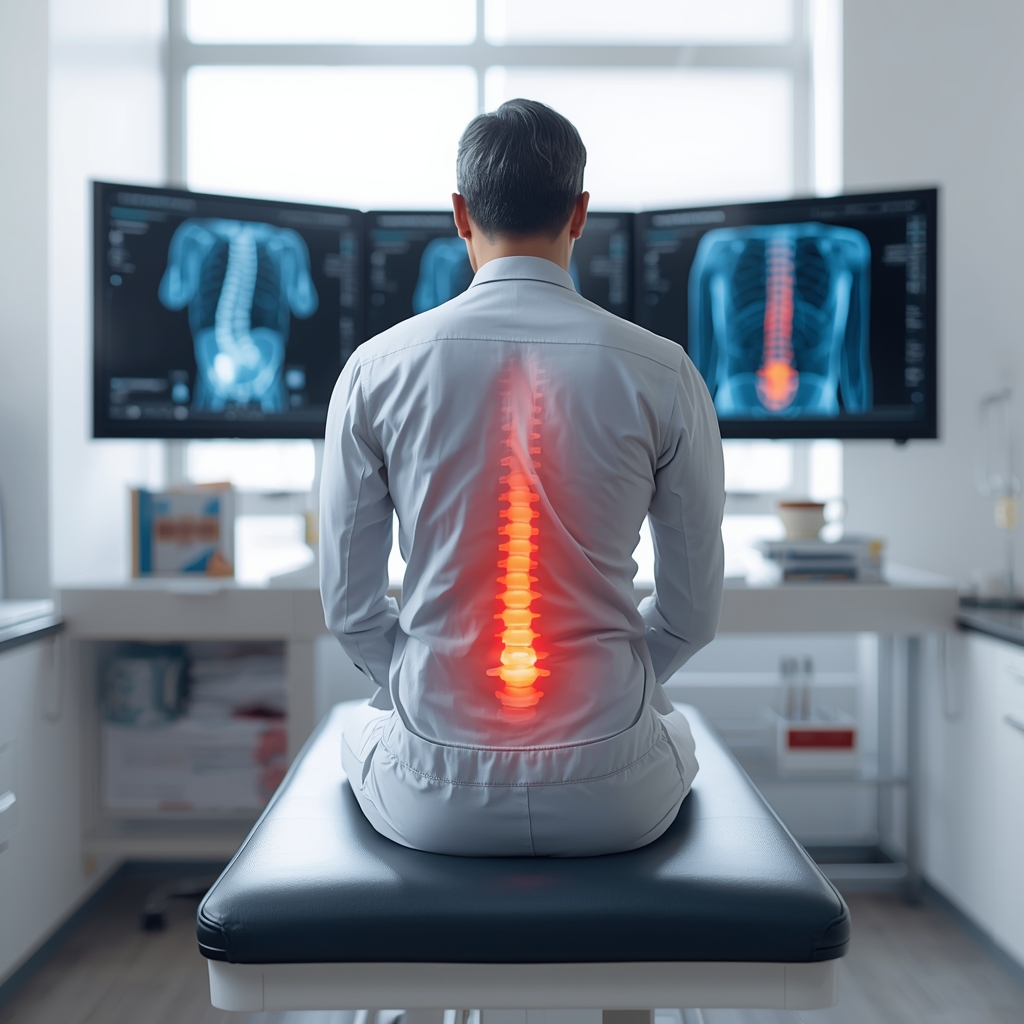
Imaging plays a supportive role in diagnosing SIJD, though no single method is universally definitive. X-rays may reveal structural abnormalities like arthritis or misalignment but often lack detail for soft tissue involvement. Magnetic resonance imaging (MRI) is more effective for visualizing inflammation, ligament damage, or disc issues near the sacroiliac joints. Computed tomography (CT) scans offer detailed bone imaging, while ultrasound can assess joint movement in real time. Despite their benefits, these tools have limitations—MRI may not always correlate with symptoms, and ultrasound requires operator expertise. Chiropractors use imaging to corroborate clinical findings, ensuring a comprehensive evaluation before recommending treatment.
Challenges in Diagnosing SIJD
Diagnosing SIJD is complex due to overlapping symptoms with conditions like lumbar radiculopathy, hip osteoarthritis, or myofascial pain. Patients may present with non-specific pain patterns, making it difficult to isolate the sacroiliac joint as the source. Additionally, the joint’s anatomical variability and the influence of posture or activity levels complicate standardized testing. False positives or negatives in clinical exams and imaging further challenge accuracy. Chiropractors must rely on their experience and a process of elimination to rule out other causes. This highlights the importance of a multidisciplinary approach, integrating patient feedback, physical findings, and diagnostic tools for a more reliable assessment.
Treatment Protocols for SIJD
Treatment for SIJD typically involves a combination of chiropractic adjustments, physical therapy, and lifestyle modifications. Spinal manipulative therapy (SMT) is commonly used to restore joint mobility, while exercises focus on strengthening the core and stabilizing muscles. In some cases, injections or modalities like heat therapy may be recommended. However, protocols vary based on the patient’s condition and response to care. Chiropractors emphasize individualized plans, avoiding a one-size-fits-all approach. Patients should discuss options with their provider to determine the most appropriate strategies. Regular follow-ups help track progress and adjust treatments as needed, ensuring a tailored path to recovery.
Collaborative Care for Accurate Diagnosis
Accurate diagnosis of SIJD requires a collaborative effort between patients and chiropractors. While clinical tests and imaging provide valuable data, they must be interpreted within the context of the patient’s unique symptoms and history. Chiropractors often work with other healthcare providers to ensure a holistic approach, especially when differential diagnosis is challenging. Open communication helps patients understand the diagnostic process and their role in it. By combining evidence-based techniques with personalized care, chiropractors can enhance the accuracy of SIJD diagnosis and improve treatment outcomes. This partnership empowers patients to make informed decisions about their health and recovery.












