
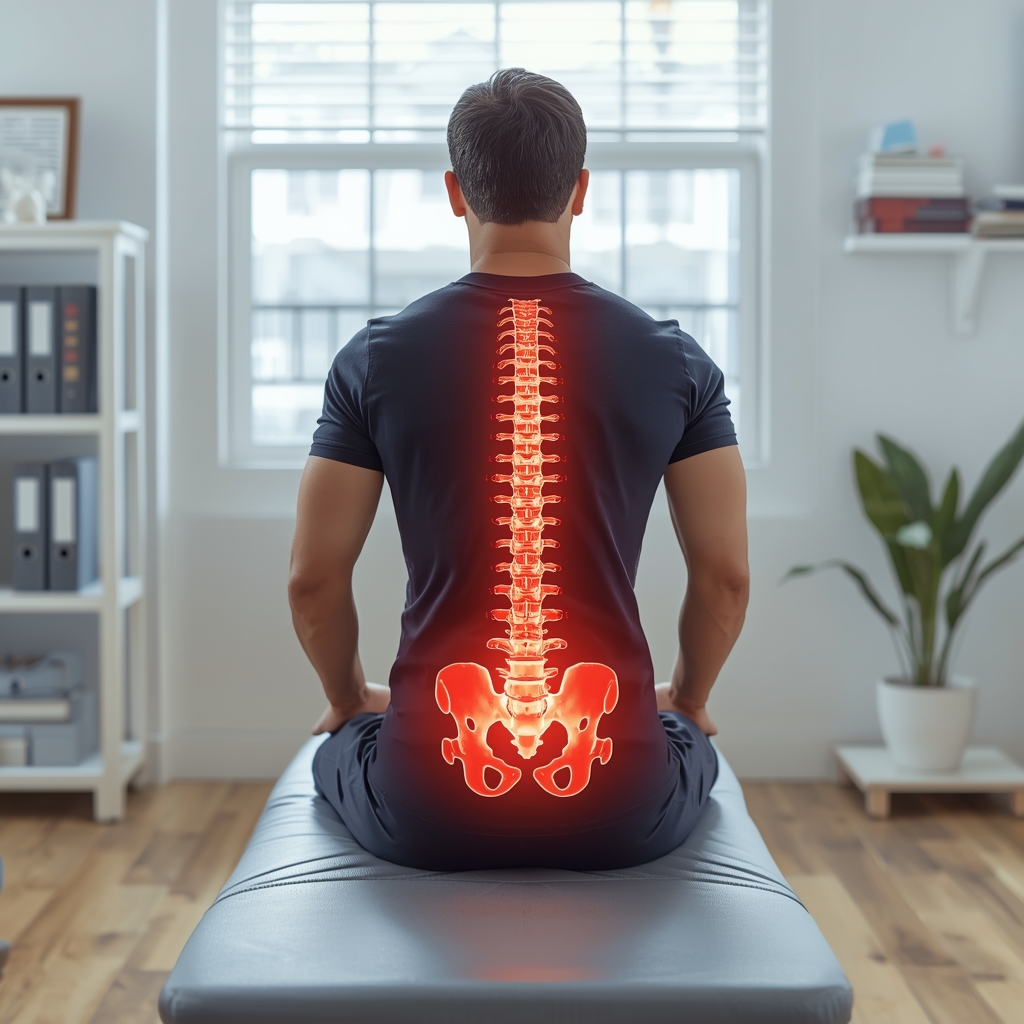
Understanding Pelvic Instability and Sacroiliac Joint Dysfunction
Pelvic instability occurs when the ligaments and muscles supporting the pelvis become weakened or imbalanced, leading to excessive movement in the sacroiliac (SI) joints. These joints connect the sacrum to the pelvis and play a key role in transferring weight between the upper body and legs. When instability arises, the SI joints may become hypermobile or misaligned, causing pain, inflammation, and reduced function. This condition is often linked to factors like pregnancy, trauma, muscle weakness, or poor posture. Understanding the relationship between pelvic stability and SI joint health is essential for addressing chronic lower back or hip discomfort effectively.
How Pelvic Instability Contributes to SI Joint Issues
Pelvic instability disrupts the normal mechanics of the SI joints, leading to uneven pressure distribution and potential misalignment. This can cause the joints to become either too loose or overly restricted, both of which compromise their ability to function properly. For example, hypermobility may result in pain during movement, while hypomobility can lead to stiffness and reduced range of motion. Over time, these imbalances may contribute to chronic pain, nerve irritation, or compensatory patterns in the lower back and legs. Chiropractors recognize that addressing the root cause—pelvic instability—is critical to restoring balance and alleviating SI joint dysfunction.
Chiropractic Evaluation for Pelvic Instability
Chiropractors begin by conducting a thorough assessment to identify pelvic instability and its impact on the SI joints. This may include a physical examination, posture analysis, and orthopedic or neurological tests to evaluate joint mobility and muscle function. Special attention is given to the sacroiliac region, as well as surrounding structures like the hips and lower back. Imaging, such as X-rays or MRI, may be recommended in complex cases to rule out other conditions. This diagnostic process helps chiropractors determine the extent of instability and tailor adjustments to restore proper alignment and function without causing further strain.
Specific Adjustments for Pelvic Stability
Chiropractors use targeted adjustments to realign the pelvis and reduce SI joint dysfunction caused by instability. Techniques such as the sacroiliac adjustment, diversified thrust, or activator method are commonly employed to correct misalignments and restore normal joint movement. These adjustments aim to stabilize the pelvis by addressing both bony structures and soft tissues. For instance, a chiropractor might apply gentle, controlled force to the sacrum or ilium to correct rotational or lateral shifts. The goal is to improve joint congruence, reduce pain, and enhance overall biomechanics. Each adjustment is customized based on the patient’s unique condition and response to treatment.
Integrating Soft Tissue and Rehab Strategies
In addition to spinal adjustments, chiropractors often incorporate soft tissue therapies and rehabilitative exercises to address pelvic instability. Techniques like myofascial release, trigger point therapy, or Active Release Technique (ART) can alleviate tension in muscles and ligaments surrounding the SI joints. Strengthening exercises for the core, glutes, and hip stabilizers are also recommended to support long-term pelvic stability. Chiropractors may guide patients in proper movement patterns and posture to prevent re-injury. This holistic approach ensures that both structural and functional aspects of the pelvis are addressed, promoting lasting relief and improved mobility.
The Importance of a Holistic Approach
Addressing pelvic instability and SI joint dysfunction requires a comprehensive strategy that combines chiropractic adjustments with lifestyle and rehabilitative measures. While adjustments provide immediate relief by realigning the pelvis, ongoing care is necessary to maintain stability and prevent recurrence. Chiropractors may also advise on ergonomic modifications, activity modifications, or complementary therapies like acupuncture. By focusing on the root causes of instability rather than just symptoms, patients can achieve better outcomes and long-term pain management. Open communication with a licensed chiropractor ensures that the treatment plan aligns with individual needs and goals.














