
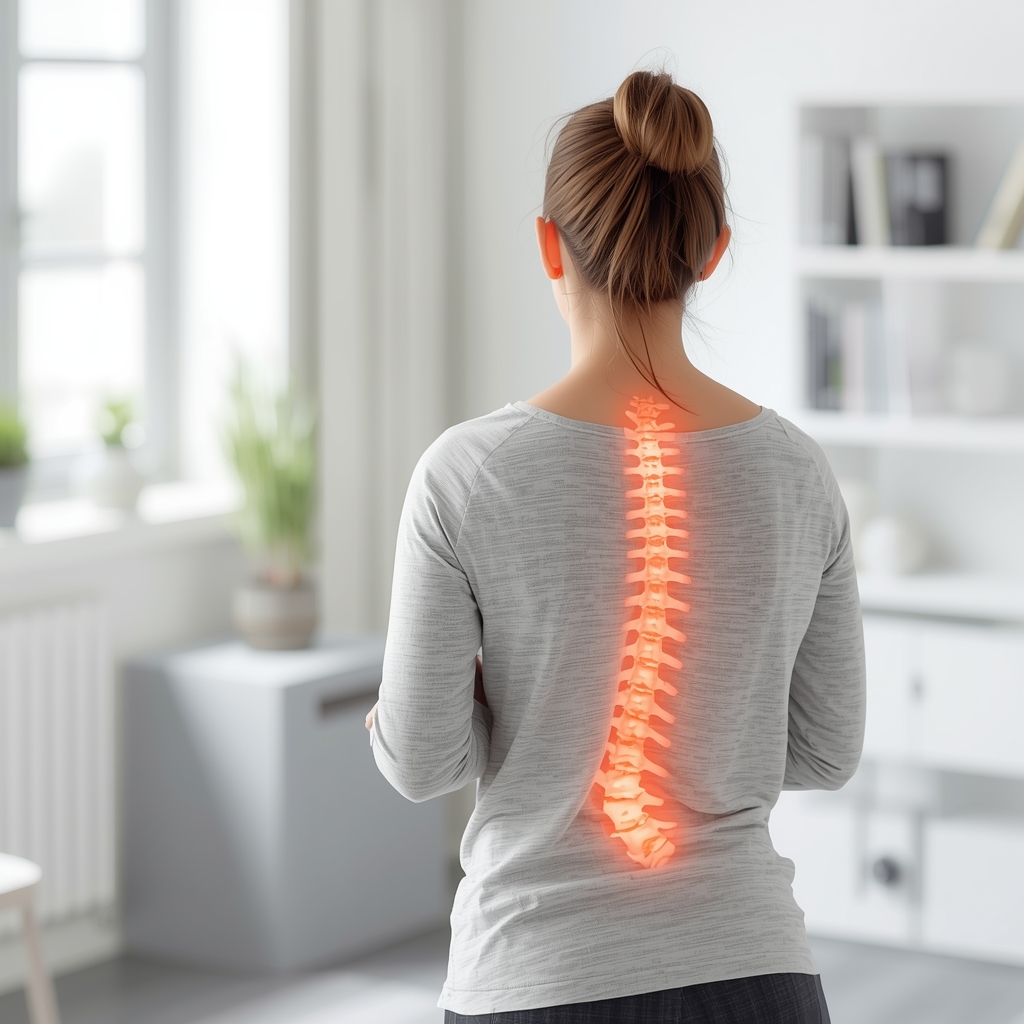
Understanding the Link Between Nutrition and Scoliosis
Nutrition plays a supportive role in maintaining overall musculoskeletal health, which can indirectly influence scoliosis progression in adolescents. While poor nutrition isn't a direct cause of scoliosis, it may affect bone density, muscle strength, and spinal alignment. A balanced diet provides essential nutrients that support bone growth and repair, which is critical during adolescence when the spine is still developing. However, there is no conclusive evidence that specific dietary changes can prevent or reverse scoliosis. Parents and caregivers should focus on general wellness practices, including proper nutrition, alongside regular medical evaluations to monitor spinal health.
Key Nutrients for Spinal Health
Certain nutrients are vital for maintaining strong bones and muscles, which can help support the spine. Calcium and vitamin D are essential for bone density, while magnesium and vitamin K2 contribute to bone mineralization. Protein is also important for muscle development, which can help stabilize the spine. Adolescents with scoliosis may benefit from ensuring adequate intake of these nutrients through foods like dairy, leafy greens, and lean proteins. However, it's important to note that nutritional needs vary by individual, and excessive supplementation can have unintended effects. A healthcare provider or registered dietitian can help tailor dietary recommendations to meet specific needs.
The Role of a Balanced Diet in Preventing Progression
A well-rounded diet rich in whole foods, fruits, vegetables, and lean proteins can promote overall health, which may indirectly support spinal stability. Processed foods, high in sugar and unhealthy fats, can contribute to inflammation and weaken bone health over time. While no single food or diet has been proven to prevent scoliosis progression, maintaining a nutrient-dense eating pattern can help ensure the body has the resources it needs to support proper growth and development. Adolescents with scoliosis should focus on consistent, balanced meals rather than restrictive diets, which can lead to nutrient deficiencies and further complications.
Hydration and Its Impact on Spinal Health
Proper hydration is essential for maintaining the health of spinal discs and overall bodily functions. Water helps cushion the spine, supports nutrient delivery to tissues, and aids in waste removal. Dehydration can lead to reduced disc elasticity, potentially worsening spinal misalignments. Adolescents should aim to drink adequate water throughout the day, especially during physical activity. While hydration alone cannot prevent scoliosis progression, it is a critical component of overall spinal health. Parents should encourage healthy fluid intake habits and monitor for signs of dehydration, which can affect energy levels and physical performance.
Integrating Nutrition with Chiropractic Care
Chiropractic care focuses on spinal alignment and nervous system function, which can complement nutritional strategies for adolescents with scoliosis. A chiropractor may recommend dietary adjustments as part of a holistic approach to manage symptoms and support spinal health. However, nutrition should not replace professional medical advice or treatment. Adolescents and their families should work closely with both a chiropractor and a healthcare provider to develop a comprehensive care plan. This collaboration ensures that nutritional choices align with other interventions, such as posture training, exercise, or bracing, to address scoliosis effectively.
Consulting Professionals for Personalized Guidance
Each adolescent's nutritional and spinal health needs are unique, making it crucial to seek personalized advice from qualified professionals. A chiropractor can assess how nutritional factors may interact with spinal conditions and recommend appropriate strategies. Registered dietitians can help create meal plans that support bone and muscle health without restrictive practices. It's also important to consult with a pediatrician or orthopedic specialist to monitor scoliosis progression and determine if additional interventions are needed. By combining nutritional awareness with professional guidance, adolescents can take proactive steps to support their overall well-being and spinal health.












