
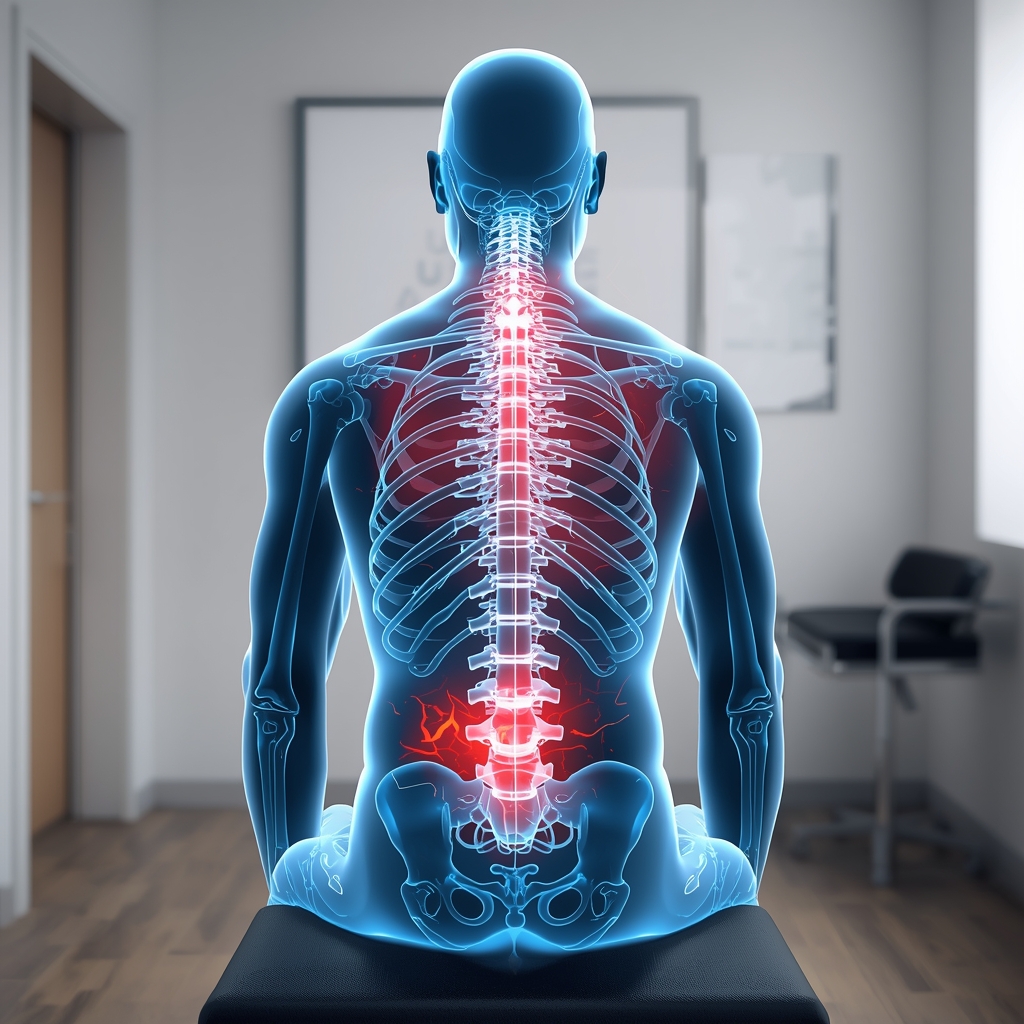
The Parasympathetic Nervous System and Its Role in Body Regulation
The parasympathetic nervous system (PNS) is a key component of the autonomic nervous system, responsible for regulating rest, digestion, and recovery. It counterbalances the sympathetic nervous system's 'fight or flight' responses, promoting relaxation and homeostasis. The PNS influences heart rate, digestion, and immune function through its network of nerves, including the vagus nerve. When functioning optimally, it supports overall well-being. Understanding how spinal adjustments interact with this system provides insight into their potential therapeutic effects, particularly in reducing stress and enhancing recovery. While research continues, the connection between spinal health and PNS activity remains a focal point in chiropractic science.
Spinal Adjustments and Neural Pathways
Spinal adjustments involve precise manipulations of the vertebral column to correct misalignments, or subluxations, which may interfere with nerve function. These adjustments can stimulate sensory receptors in the joints, muscles, and ligaments, sending signals to the central nervous system. This process may activate the PNS by modulating neural pathways that regulate autonomic functions. For example, adjustments to the cervical spine might influence the vagus nerve, a major PNS conductor. By restoring proper biomechanics, adjustments could enhance communication between the brain and organs, potentially improving relaxation responses. However, the exact mechanisms remain under investigation, requiring further study to fully elucidate their impact on the nervous system.
The Vagus Nerve and Parasympathetic Activation
The vagus nerve, the longest cranial nerve, plays a central role in PNS activity, connecting the brain to organs like the heart, lungs, and digestive tract. Spinal adjustments, particularly in the cervical and thoracic regions, may indirectly influence this nerve through mechanical or neurochemical interactions. For instance, gentle pressure on specific spinal areas could stimulate vagal tone, enhancing relaxation and reducing inflammation. Some research suggests that spinal manipulative therapy may improve vagus nerve function, though evidence remains correlational. While the relationship is complex, chiropractors often consider these interactions when addressing conditions linked to autonomic dysfunction, such as stress or digestive issues. Further research is needed to confirm these connections.
Autonomic Balance and Spinal Health
The autonomic nervous system (ANS) maintains internal balance through the interplay of the PNS and sympathetic nervous system (SNS). Spinal adjustments may help restore this balance by reducing SNS overactivity and enhancing PNS function. Misalignments in the spine can create mechanical stress, potentially disrupting ANS regulation. By correcting these issues, adjustments might alleviate chronic stress responses and promote recovery. For example, a relaxed PNS can support better sleep, digestion, and immune function. However, the extent of this effect varies among individuals, and chiropractors typically tailor approaches to each patient's needs. While the science is evolving, the goal remains to optimize nervous system function through non-invasive, holistic methods.
Research Gaps and Future Directions
Despite growing interest in the link between spinal adjustments and PNS stimulation, research remains limited. Most studies focus on symptomatic relief rather than neurophysiological mechanisms, leaving gaps in understanding how adjustments directly influence autonomic function. Factors like patient variability, adjustment techniques, and measurement challenges complicate findings. While some evidence suggests a connection, more rigorous, controlled trials are needed to validate these hypotheses. Researchers are exploring advanced imaging and biomarkers to better map neural responses. Until then, chiropractors rely on clinical experience and emerging data to guide treatments. Patients should consult qualified providers to discuss potential benefits and limitations of spinal adjustments for their specific concerns.
Consulting a Chiropractor for Personalized Care
While the science behind spinal adjustments and PNS stimulation is still developing, many individuals report improved well-being after chiropractic care. A qualified chiropractor can assess spinal health, identify misalignments, and recommend tailored interventions. These may include adjustments, soft tissue therapies, or lifestyle advice to support nervous system function. It is important to note that results vary, and adjustments should not replace conventional medical care for serious conditions. Patients should discuss their health history and goals with a provider to determine if chiropractic care aligns with their needs. Ongoing research continues to explore these mechanisms, offering hope for deeper insights into the body's natural healing processes.














