
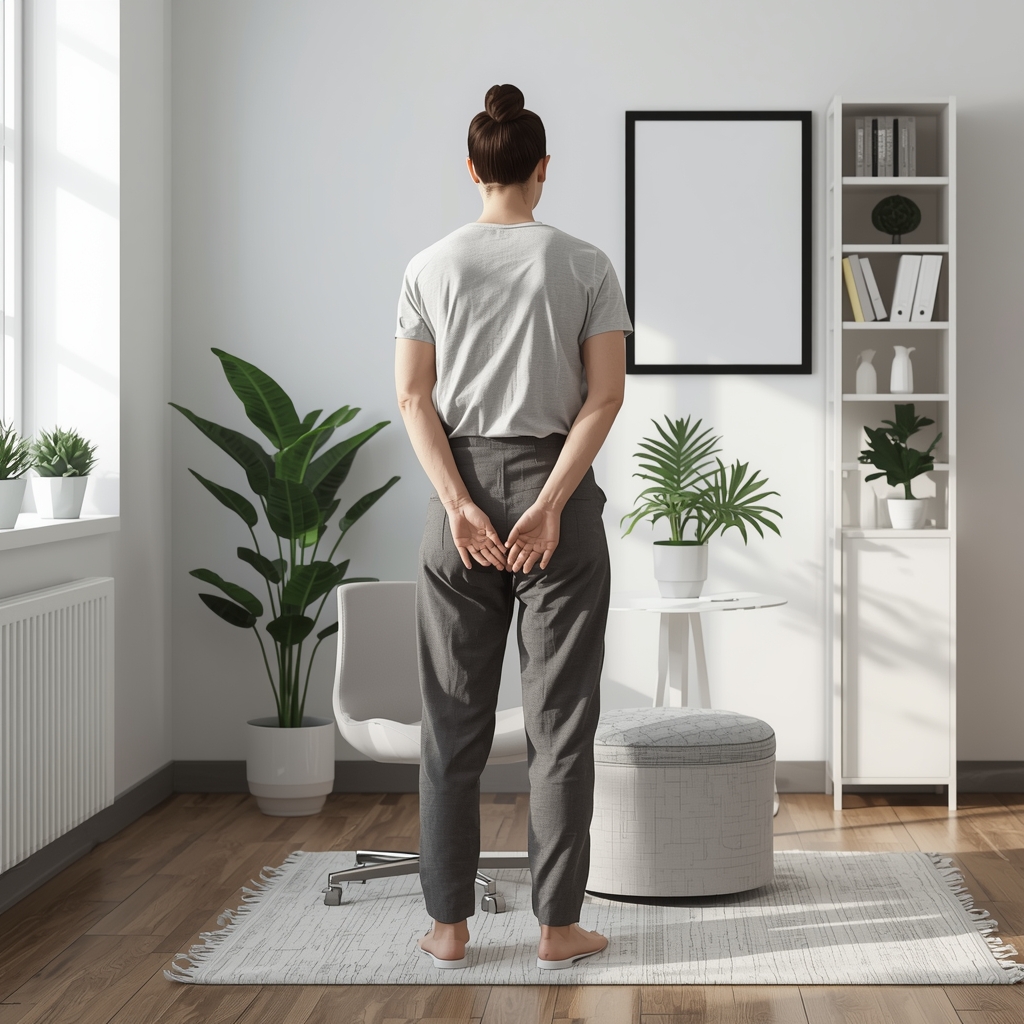
Understanding Sciatic Neuropathy in Office Workers
Sciatic neuropathy, characterized by pain radiating along the sciatic nerve, is increasingly common among office workers due to prolonged sitting and poor posture. The sciatic nerve, the largest nerve in the body, can become compressed or irritated by spinal misalignments, herniated discs, or tight muscles like the piriformis. Office environments often exacerbate these issues, as repetitive movements, inadequate ergonomic setups, and limited physical activity contribute to nerve dysfunction. Symptoms may include lower back pain, numbness, tingling, or weakness in the legs. Recognizing the connection between workplace habits and nerve health is critical for proactive management. While general movement and stretching can help, targeted nerve mobilization techniques may offer more direct relief for those experiencing chronic discomfort.
Key Nerve Mobilization Techniques for Sciatic Relief
Nerve mobilization techniques aim to reduce pressure on the sciatic nerve by improving its gliding motion and flexibility. These methods often involve gentle, controlled movements that stretch and reposition the nerve within its surrounding tissues. Common approaches include the slump test, which assesses nerve mobility while seated, and nerve glides, where the patient alternately flexes and extends their neck and legs to encourage nerve movement. Additionally, positional adjustments—such as lying on one’s side and gently moving the affected leg—can alleviate compression. While these techniques are not a substitute for professional evaluation, many individuals find them helpful in reducing sciatic discomfort. It’s essential to perform these movements slowly and avoid forcing any motion to prevent further irritation. A chiropractor can guide patients in identifying the most suitable exercises for their specific condition.
The Role of Ergonomics in Preventing Nerve Compression
Ergonomic adjustments in the workplace play a vital role in preventing and managing sciatic neuropathy. Poor posture, such as slouching or sitting with crossed legs, can increase pressure on the sciatic nerve and surrounding structures. Office workers should prioritize ergonomic furniture, including adjustable chairs, supportive lumbar cushions, and monitor stands that align with eye level. Regularly shifting positions and using footrests to maintain proper leg alignment can also reduce nerve strain. Additionally, taking short, frequent breaks to stand, stretch, or walk can promote circulation and prevent prolonged compression. By integrating ergonomic principles into daily routines, individuals may minimize the risk of nerve-related discomfort and support overall spinal health. These measures complement nerve mobilization techniques, creating a holistic approach to managing sciatic neuropathy.
Chiropractic Care and Nerve Mobilization Strategies
Chiropractors specialize in addressing nerve-related issues through manual adjustments and targeted therapies. For sciatic neuropathy, they may employ techniques like spinal manipulation to correct misalignments that contribute to nerve compression. Additionally, chiropractors often incorporate nerve mobilization into treatment plans, using specific movements to enhance nerve function and reduce inflammation. These strategies are typically tailored to the patient’s unique condition, ensuring safety and effectiveness. While general exercises can provide some relief, a chiropractor’s expertise is crucial in identifying the root cause of nerve irritation and designing a personalized approach. Patients are encouraged to discuss their symptoms and lifestyle factors during consultations to determine the best combination of interventions. This collaborative process helps optimize outcomes and supports long-term nerve health.
Integrating Movement and Stretching into Daily Routines
Incorporating regular movement and stretching into an office worker’s day can significantly reduce the risk of sciatic nerve irritation. Simple exercises, such as seated hamstring stretches, standing calf raises, or gentle spinal twists, can improve flexibility and circulation. Taking short walks every hour or using a standing desk for part of the day can also alleviate pressure on the sciatic nerve. Stretching routines should focus on the lower back, hips, and legs, as these areas are closely linked to sciatic nerve function. Consistency is key—regular practice helps maintain nerve mobility and prevent stiffness. However, it’s important to avoid overexertion and to stop any movement that causes increased pain. Combining these habits with ergonomic adjustments creates a proactive strategy for managing sciatic neuropathy and promoting overall well-being.
When to Seek Professional Evaluation and Treatment
If sciatic neuropathy symptoms persist or worsen despite self-care efforts, it’s essential to consult a chiropractor or healthcare provider. Persistent pain, numbness, or weakness in the legs may indicate a more severe underlying issue, such as a herniated disc or spinal stenosis, requiring specialized intervention. A chiropractor can perform a thorough assessment to determine the cause of nerve compression and recommend appropriate treatments, including advanced mobilization techniques or referrals for further diagnostic testing. Early intervention often leads to better outcomes, as prolonged nerve irritation can lead to chronic complications. Office workers experiencing recurring discomfort should not hesitate to seek professional guidance. By addressing sciatic neuropathy proactively, individuals can regain mobility, reduce pain, and improve their quality of life.













