
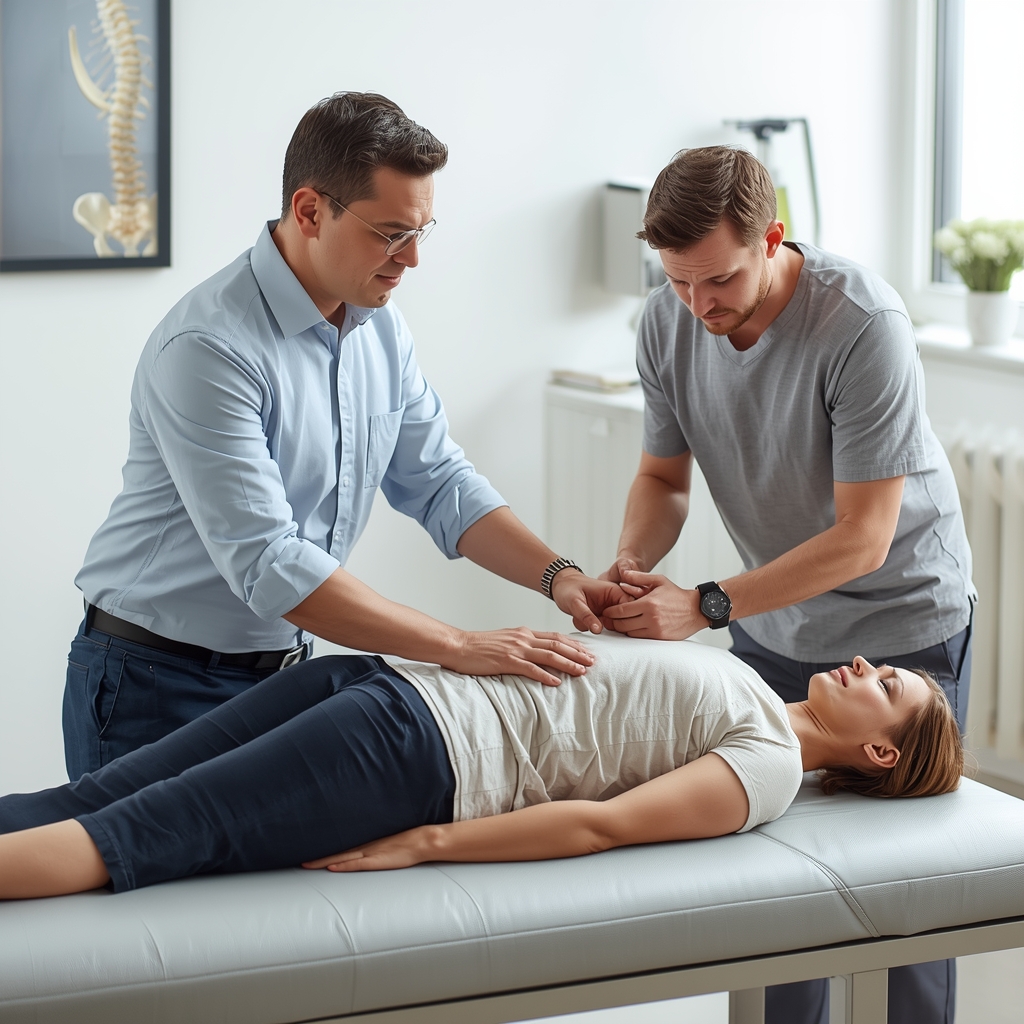
Introduction to Nerve Mobilization for Sciatic Neuropathy
Nerve mobilization techniques are designed to gently stretch and reposition compressed or irritated nerves, particularly useful for conditions like sciatic neuropathy. These exercises aim to reduce pain, improve mobility, and restore normal nerve function by alleviating pressure on the sciatic nerve. While these methods can complement chiropractic care, they should never replace professional medical advice. Always consult a licensed chiropractor before attempting any nerve mobilization to ensure safety and appropriateness for your condition. This guide provides general steps for educational purposes, emphasizing the importance of personalized guidance from a qualified provider.
Step 1: Preparation and Safety
Begin by creating a safe, comfortable environment for your exercises. Ensure you have a stable surface, such as a mat or firm floor, and wear loose, flexible clothing. Before starting, consult your chiropractor to confirm these techniques align with your treatment plan. Proper posture is critical—sit or lie down with your back straight to avoid additional strain. Avoid any movements that cause sharp pain or discomfort. If you experience tingling, numbness, or increased pain, stop immediately and seek professional advice. Preparation ensures you can focus on gentle, controlled motions without risking further injury.
Step 2: Basic Nerve Gliding Exercises
Start with simple nerve gliding movements, such as the straight leg raise. Lie on your back with one leg bent and the other straight. Slowly lift the straight leg until you feel a gentle stretch in your hamstring, holding for 10-15 seconds. Lower it slowly and repeat 5-10 times. This motion helps mobilize the sciatic nerve by elongating the surrounding tissues. Another option is the seated hamstring stretch: sit with one leg extended and reach toward your toes, keeping your back straight. Hold for 20-30 seconds, then switch legs. These exercises should be performed slowly and without force, focusing on comfort and controlled movement to avoid aggravating the nerve.
Step 3: Advanced Mobilization Techniques
Once basic exercises are comfortable, your chiropractor may introduce advanced techniques like the slump test or nerve flossing. The slump test involves sitting with your legs extended, then slowly bending your head and spine while extending one leg. This stretches the sciatic nerve along its path. Nerve flossing combines neck and leg movements to create a sliding motion for the nerve. These techniques require precise form and should only be attempted under professional supervision. Avoid forcing movements or pushing through pain. The goal is to enhance nerve mobility gradually, not to achieve immediate results. Regular practice, guided by a chiropractor, can improve outcomes over time.
Step 4: Breathing and Relaxation
Integrate deep, controlled breathing into your exercises to enhance relaxation and reduce tension. Inhale slowly through your nose, then exhale through your mouth as you perform each movement. This helps maintain steady oxygen flow and prevents muscle tightening that could worsen nerve irritation. Focus on relaxing your shoulders, jaw, and legs throughout the process. Tension in other parts of the body can indirectly affect nerve mobility. If you feel anxious or tense, pause and reset your breathing. Combining physical movement with mindfulness fosters a holistic approach to nerve rehabilitation, supporting both physical and mental well-being during recovery.
Step 5: Consistency and Progression
Consistency is key to achieving lasting benefits from nerve mobilization. Perform exercises regularly, ideally daily or as directed by your chiropractor, to maintain nerve flexibility and prevent stiffness. Track your progress by noting changes in pain levels, mobility, or comfort. Over time, your chiropractor may adjust the intensity or add new techniques to challenge your nervous system. Avoid overexertion, as excessive strain can counteract progress. If you encounter setbacks or new symptoms, communicate with your provider promptly. A tailored, gradual approach ensures safe, sustainable improvements while minimizing the risk of complications.















