
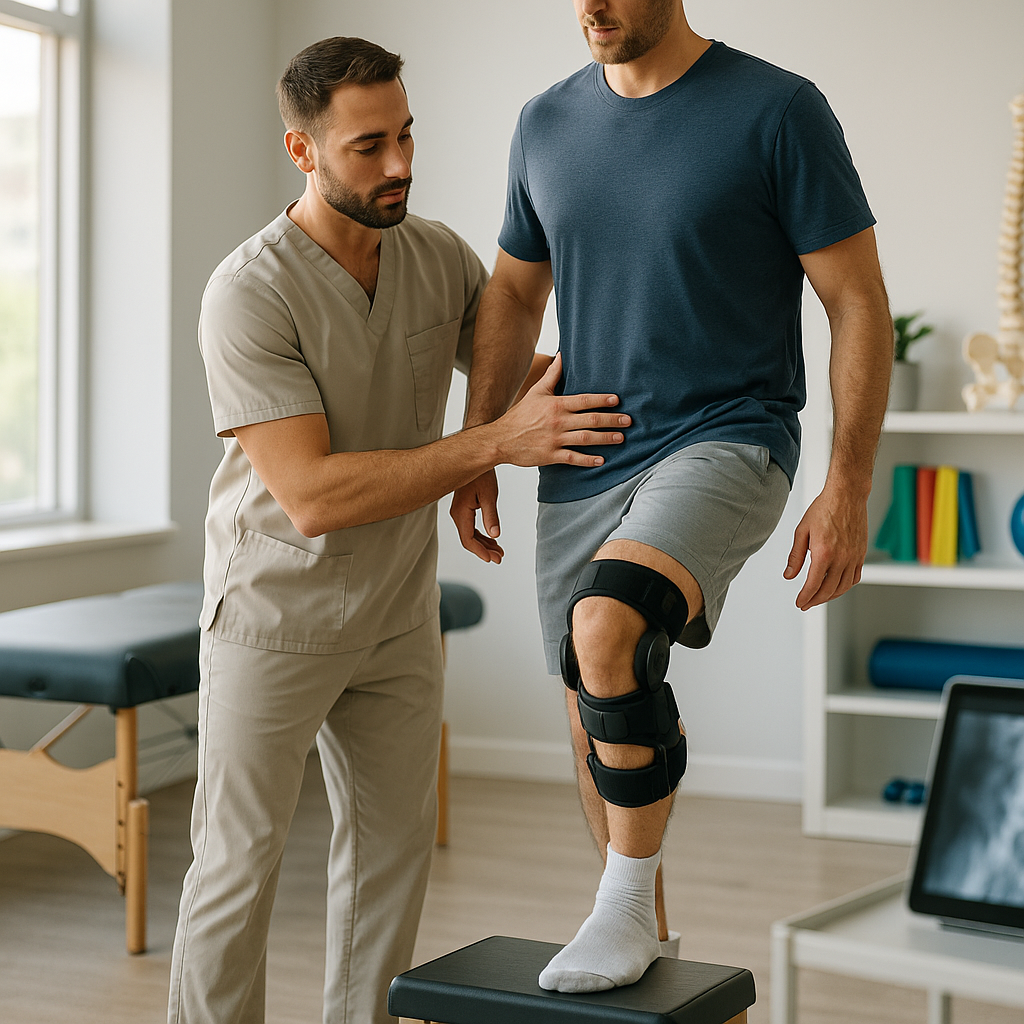
Understanding the Role of Chiropractic Care in Post-Surgical Recovery
Recovering from surgery is rarely a straightforward journey. While the operating room marks the end of a procedure, it often signals the beginning of a long and demanding rehabilitation process. Many patients are surprised to discover that post-surgery chiropractic care can play a meaningful and well-supported role in helping the body heal, regain function, and return to daily life with greater confidence and less pain.
Chiropractors are trained musculoskeletal specialists who focus on the relationship between the spine, nervous system, and overall body function. When integrated thoughtfully into a broader rehabilitation plan, chiropractic care offers a non-invasive, drug-free approach that complements medical treatment and supports long-term recovery outcomes.
Why Patients Seek a Surgical Rehabilitation Chiropractor
After surgery, the body undergoes significant stress. Tissue damage, inflammation, altered movement patterns, and compensatory behaviors can all emerge during the healing process. Left unaddressed, these issues may result in chronic pain, reduced mobility, or secondary injuries that develop as the body tries to protect the surgical site.
A surgical rehabilitation chiropractor brings a targeted understanding of biomechanics and neuromusculoskeletal function. Patients often seek this type of care for a number of compelling reasons, including:
- Persistent pain or discomfort following joint replacement surgery
- Reduced range of motion after spinal procedures
- Muscle tightness and compensatory tension developing around the surgical area
- A desire to minimize reliance on pain medications during recovery
- The need for complementary care that works alongside physical therapy
- Postural imbalances that arise while protecting a healing surgical site
The motivation is clear: patients want a thoughtful, individualized path back to health, and chiropractic care can serve as a valuable component of that path.
How Chiropractic Care Supports Recovery After Surgery
The contribution of chiropractic care to recovery after surgery operates on several interconnected levels. Understanding these mechanisms helps clarify why so many surgeons and physical therapists now recommend chiropractic as part of a multidisciplinary rehabilitation plan.
1. Restoring Spinal Alignment and Nervous System Function
Surgery, particularly orthopedic or spinal procedures, can alter the alignment of the vertebrae and surrounding structures. Even surgeries performed elsewhere in the body can cause patients to adopt protective postures that gradually strain the spine. A chiropractor can assess these alignment changes and, where appropriate and safe, apply gentle adjustments to restore proper spinal positioning.
Proper spinal alignment supports optimal nervous system communication throughout the body, which is essential for healing. When nerve pathways are unimpeded, the body is better equipped to coordinate the complex biological processes involved in tissue repair and immune function.
2. Reducing Inflammation and Supporting Tissue Healing
Chiropractic adjustments and soft tissue therapies have been associated with reductions in inflammation markers within the body. Techniques such as myofascial release, instrument-assisted soft tissue mobilization, and therapeutic massage can be incorporated to break down scar tissue, improve circulation, and promote a healthier healing environment around the surgical site and surrounding tissues.
Improved blood flow to healing tissues means more oxygen and nutrients delivered to where they are needed most — a physiological advantage that can meaningfully accelerate the recovery timeline.
3. Addressing Compensatory Patterns and Secondary Injuries
One of the most overlooked challenges in post-surgical rehabilitation is the development of compensatory movement patterns. When a person protects a surgical site — consciously or not — other muscles, joints, and tendons absorb additional strain. Over weeks and months, this can lead to secondary pain in areas far removed from the original surgery.
A skilled surgical rehabilitation chiropractor is trained to identify these compensatory patterns early. Through targeted adjustments, corrective exercises, and movement coaching, they help the patient move in healthier, more balanced ways that protect the surgical site while preventing new injuries from forming.
4. Managing Pain Without Heavy Medication Dependence
Opioid and pain medication dependency following surgery is a well-documented and serious public health concern. Many patients and their physicians are actively seeking effective non-pharmacological pain management strategies as part of responsible post-operative care.
Chiropractic care has a robust evidence base as a drug-free approach to pain management. By addressing the physical causes of pain — whether through joint manipulation, soft tissue therapy, or neurological stimulation — chiropractors help reduce pain signals without the side effects and dependency risks associated with long-term medication use. This makes post-operative chiropractic care a particularly attractive option for patients committed to safe, sustainable recovery.
5. Restoring Mobility and Functional Independence
Regaining the ability to move freely and perform everyday activities is, for most patients, the ultimate goal of surgical rehabilitation. Chiropractic care plays a direct role in this process by working to restore joint mobility, improve flexibility, and retrain movement patterns that may have deteriorated before or during surgery.
Chiropractors frequently combine hands-on treatment with prescribed exercises and lifestyle guidance to support functional restoration in a holistic and sustainable way. This multifaceted approach means patients are not simply passive recipients of treatment — they become active participants in their own recovery.
Types of Surgery Where Chiropractic Rehabilitation Is Commonly Beneficial
While each patient’s situation is unique and must be assessed on its own merits, chiropractic rehabilitation has demonstrated value following a wide range of surgical procedures.













