
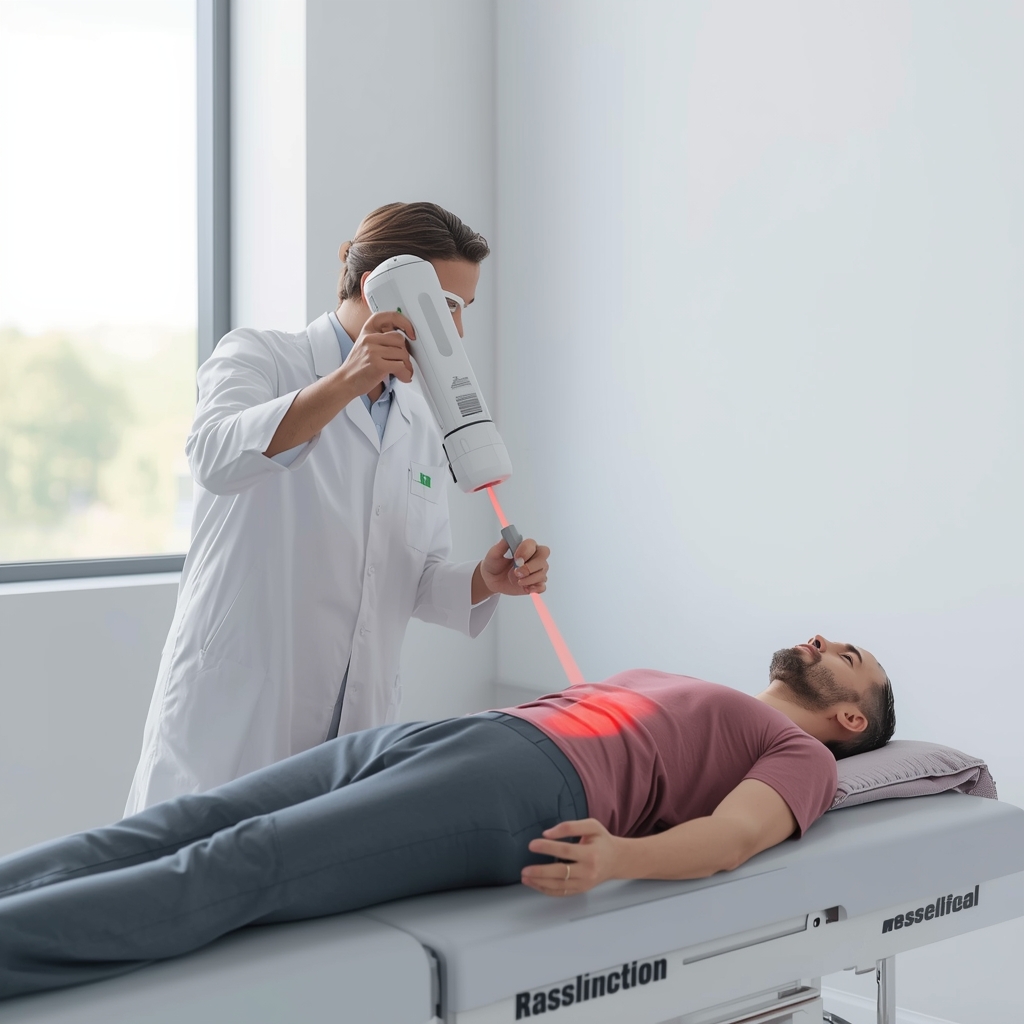
Understanding Low-Level Laser Therapy (LLLT)
Low-Level Laser Therapy (LLLT), also known as cold laser therapy, uses specific wavelengths of light to stimulate cellular function and promote healing. Unlike surgical lasers, LLLT does not generate heat and is non-invasive. It is commonly used in physical rehabilitation to address pain, inflammation, and tissue repair. For post-surgical spinal patients, LLLT may offer a complementary approach to traditional recovery methods. The therapy is believed to enhance mitochondrial activity, increase ATP production, and reduce oxidative stress, all of which can support tissue regeneration. While research is ongoing, many practitioners report positive outcomes when integrating LLLT into post-operative care plans. Its application in spinal recovery is particularly relevant for patients seeking non-pharmacological interventions to accelerate healing and reduce discomfort.
Biological Mechanisms of Action
LLLT works by delivering low-intensity light to targeted tissues, triggering photobiomodulation—a process that influences cellular metabolism. This interaction can reduce inflammation, enhance blood flow, and stimulate the production of growth factors critical for tissue repair. In spinal surgery recovery, these effects may help mitigate post-operative swelling and speed up the regeneration of damaged nerves or muscles. Research suggests that LLLT can modulate inflammatory cytokines and improve cellular energy efficiency, which are key factors in recovery. While the exact mechanisms are still under investigation, the therapy’s ability to interact with cellular structures without causing harm makes it a promising option for patients. These biological responses align with broader medical consensus on the role of cellular energy and inflammation in healing, reinforcing LLLT’s potential as a supportive treatment.
Clinical Evidence and Research Findings
Studies on LLLT for post-surgical spinal recovery have shown mixed but generally encouraging results. Some clinical trials indicate that LLLT may reduce pain and improve functional outcomes when used alongside conventional therapies. For example, research has explored its role in accelerating wound healing and reducing inflammation after spinal fusion procedures. While large-scale, randomized controlled trials are limited, meta-analyses suggest that LLLT can contribute to faster recovery in certain musculoskeletal contexts. These findings are often contextual, with variables like laser parameters, treatment duration, and patient-specific factors influencing outcomes. Despite the need for more robust data, the existing evidence supports further investigation into LLLT’s efficacy. Clinicians increasingly consider it a viable adjunct for patients seeking non-invasive options to enhance their recovery process.
Applications in Spinal Surgery Recovery
In the context of spinal surgery, LLLT is often applied to target areas such as incision sites, nerve pathways, and surrounding musculature. It may help reduce post-operative pain, minimize scarring, and support the healing of soft tissues. For patients recovering from procedures like discectomy or spinal fusion, LLLT could complement physical therapy by promoting circulation and reducing inflammation. Some practitioners also use it to address nerve-related discomfort, though its effectiveness in this area remains under study. The therapy’s non-invasive nature makes it suitable for patients who may be sensitive to traditional pain management techniques. While specific protocols vary, the goal is to create an environment conducive to healing. As research progresses, clearer guidelines may emerge to standardize its use in spinal rehabilitation.
Safety and Considerations
LLLT is generally considered safe when administered by trained professionals. It does not involve heat or incisions, reducing the risk of infection or tissue damage. However, patients should be aware of potential side effects, such as mild discomfort or temporary skin sensitivity at the treatment site. Proper calibration of laser devices and adherence to established protocols are critical to ensuring safety. For post-surgical spinal patients, it is essential to consult with a qualified healthcare provider before starting LLLT, as individual health conditions and surgical specifics may influence its appropriateness. While the therapy is well-tolerated, it should not replace standard medical care. Instead, it is best viewed as a complementary tool to support recovery, with outcomes dependent on a personalized approach tailored to the patient’s needs.
Conclusion and Future Directions
Low-Level Laser Therapy shows promise as a supportive treatment for post-surgical spinal recovery, with biological mechanisms and preliminary research suggesting potential benefits. While the evidence is not yet definitive, its non-invasive nature and safety profile make it an attractive option for many patients. Ongoing studies aim to clarify its efficacy, optimal protocols, and long-term outcomes. For individuals considering LLLT, discussing its role with a chiropractor or healthcare provider is crucial to determine if it aligns with their specific recovery plan. As the field evolves, integrating LLLT into post-surgical care may offer new avenues for enhancing healing and improving patient outcomes. Continued research and clinical experience will be key to refining its application in spinal rehabilitation.













