
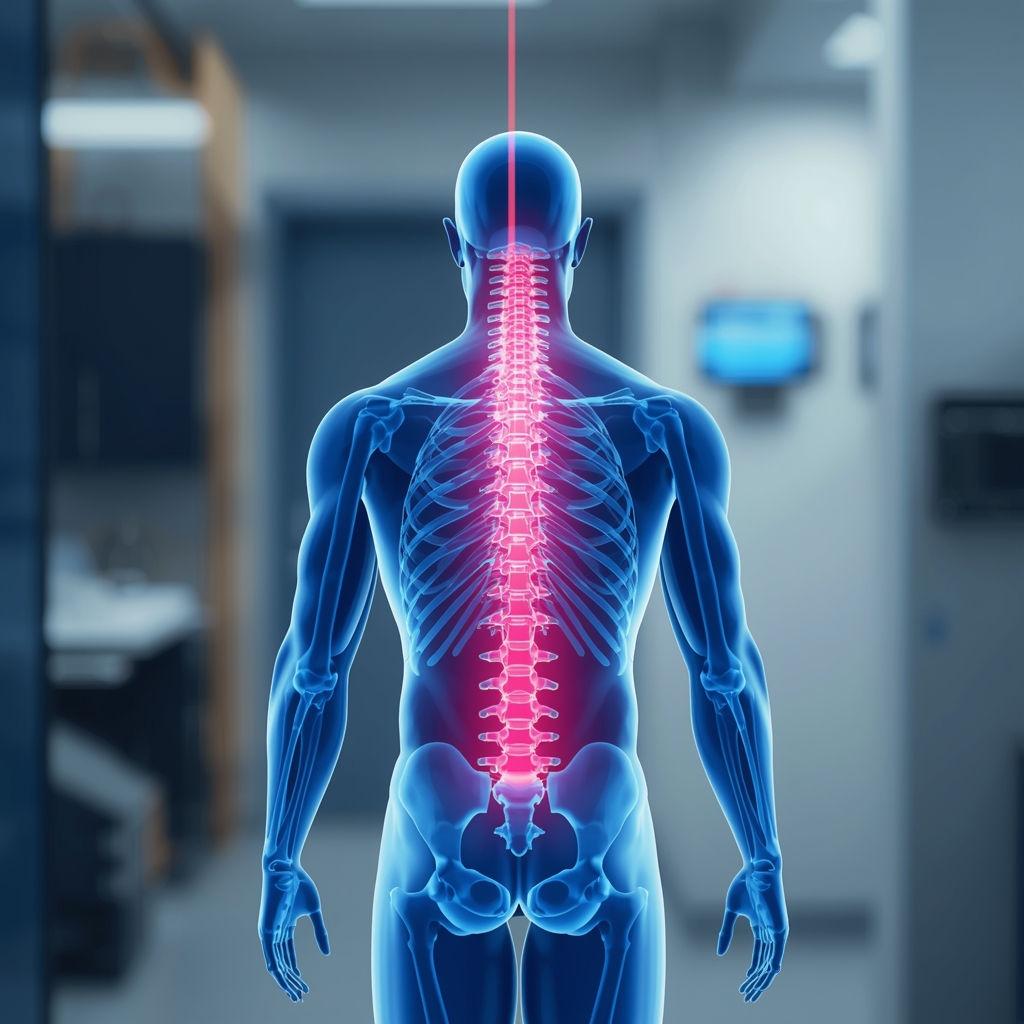
What Is Cold Laser Therapy and How Does It Work?
Cold laser therapy, also known as low-level laser therapy (LLLT), uses specific wavelengths of light to stimulate cellular function and promote healing. It is non-invasive and does not generate heat, distinguishing it from surgical lasers. The therapy is believed to enhance mitochondrial activity, increase ATP production, and reduce inflammation, which may support tissue repair. In the context of nerve regeneration, LLLT is theorized to improve blood flow, reduce oxidative stress, and encourage nerve cell recovery. While most research focuses on musculoskeletal conditions, its potential for neurological applications, such as diabetic neuropathy, has gained attention. However, the exact mechanisms remain under investigation, and its efficacy varies depending on factors like treatment duration, wavelength, and patient-specific conditions.
Evidence for Nerve Regeneration in Diabetic Neuropathy
Research on cold laser therapy for nerve regeneration in diabetic neuropathy is emerging but limited. Preclinical studies suggest that LLLT may enhance nerve fiber regeneration and myelination by stimulating growth factors and reducing inflammation. Some clinical trials report improvements in symptoms like pain and sensory function, though results are inconsistent. A 2020 review highlighted that LLLT could be a promising adjunctive therapy, but larger, well-controlled studies are needed to confirm its effectiveness. While the evidence is not yet definitive, the therapy’s safety profile and non-invasive nature make it a viable option for patients seeking alternatives to conventional treatments. Ongoing research aims to clarify its role in managing neuropathic conditions, particularly when combined with other therapeutic approaches.
How Cold Laser Therapy Addresses Diabetic Neuropathy
Diabetic neuropathy involves nerve damage caused by prolonged high blood sugar levels, leading to pain, numbness, and reduced mobility. Cold laser therapy may target these issues by improving microcirculation and reducing inflammation in affected nerves. It is thought to enhance the body’s natural repair processes, potentially restoring nerve function over time. For patients, this could mean relief from burning sensations, tingling, or weakness. However, the therapy is not a standalone cure and is often used alongside other interventions. Its application requires careful calibration of parameters like wavelength and intensity to avoid overexposure. Practitioners may tailor treatment plans based on the severity of neuropathy, ensuring the therapy aligns with broader care strategies for managing diabetes-related nerve damage.
Integrating Cold Laser Therapy With Spinal Adjustments
Spinal adjustments, a cornerstone of chiropractic care, aim to correct misalignments that may contribute to nerve compression or dysfunction. When combined with cold laser therapy, this approach addresses both structural and neurological aspects of nerve-related conditions. For example, spinal adjustments might relieve pressure on nerves, while LLLT supports their regeneration. This synergy could be particularly beneficial for patients with diabetic neuropathy, where nerve damage and musculoskeletal imbalances often coexist. However, integration requires coordination between healthcare providers to ensure treatments complement each other. Patients should discuss their full care plan with a qualified chiropractor to determine the optimal sequence and frequency of therapies, avoiding potential conflicts or overstimulation.
Considerations for Patients and Practitioners
Patients considering cold laser therapy for diabetic neuropathy should consult a licensed chiropractor or healthcare provider to evaluate its suitability. While generally safe, the therapy’s effectiveness depends on proper technique, equipment quality, and individual health factors. Practitioners must stay informed about the latest research to provide evidence-based recommendations. It is important to note that cold laser therapy is not a substitute for standard diabetes management, including blood sugar control and medication. Patients should also be aware of potential limitations, such as variable response rates and the need for multiple sessions. Open communication with healthcare providers ensures that treatments are personalized and aligned with overall health goals, minimizing risks and maximizing benefits.
Conclusion: Balancing Potential and Research Needs
Cold laser therapy shows promise as a supportive treatment for nerve regeneration in diabetic neuropathy, but its role remains evolving. While preliminary studies suggest potential benefits, more rigorous research is needed to establish standardized protocols and confirm long-term efficacy. When integrated with spinal adjustments, it may offer a holistic approach to addressing both nerve damage and musculoskeletal factors. However, patients should approach these therapies as part of a comprehensive care plan, guided by qualified professionals. As the field advances, ongoing collaboration between researchers, practitioners, and patients will be essential to refine techniques and ensure safe, effective outcomes for those living with neuropathic conditions.














