
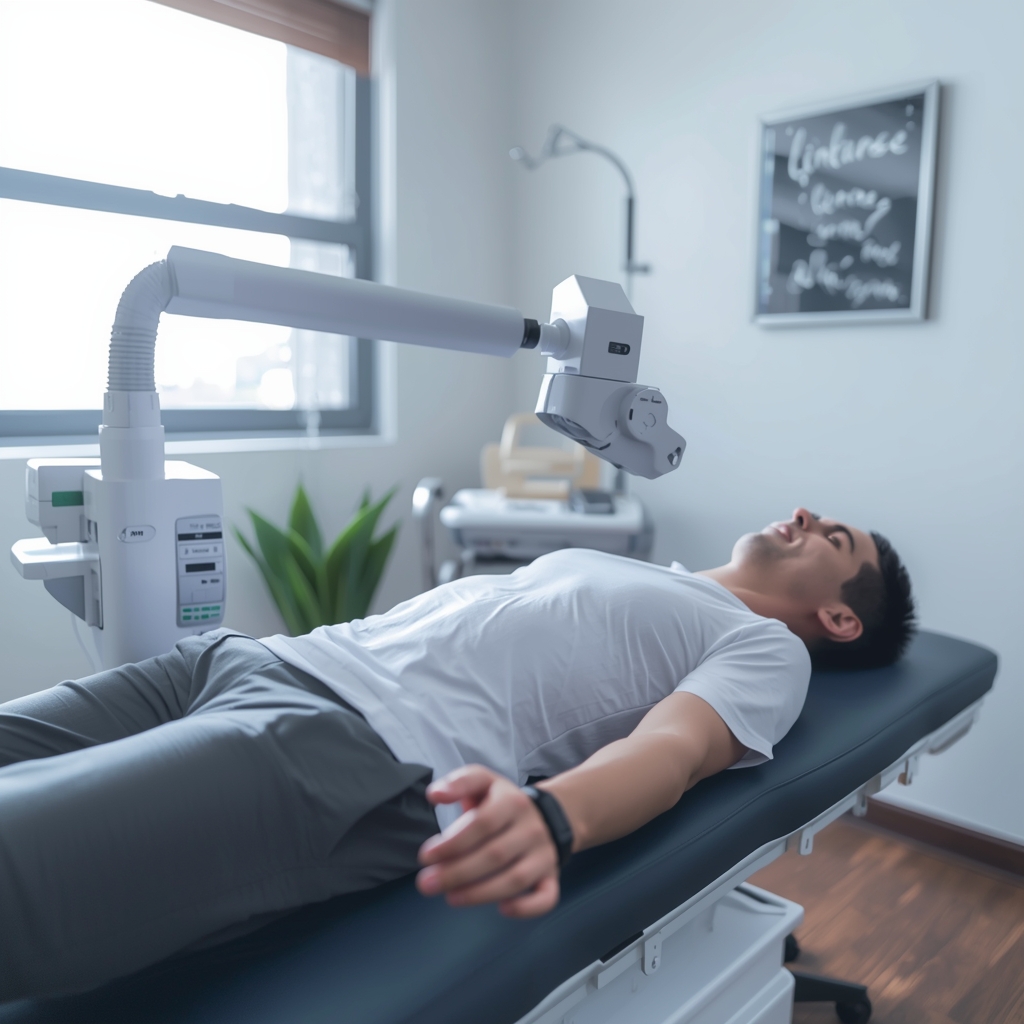
Understanding Cold Laser Therapy and Peripheral Neuropathy
Cold laser therapy, also known as low-level laser therapy (LLLT), is a non-invasive treatment that uses specific wavelengths of light to stimulate cellular function. For patients with peripheral neuropathy—a condition characterized by nerve damage often causing pain, numbness, or tingling—this therapy offers a potential avenue for relief. While research on its applications is ongoing, cold laser therapy is increasingly explored for its ability to support nerve regeneration. By targeting damaged nerve cells, it may help restore function and reduce symptoms. However, it is important to note that this therapy should be part of a broader treatment plan guided by a qualified healthcare provider.
How Cold Laser Therapy Works at a Cellular Level
The mechanism of cold laser therapy involves photobiomodulation, where light energy is absorbed by cells to enhance metabolic processes. This can increase adenosine triphosphate (ATP) production, which fuels cellular activities critical for repair. For nerve cells, this boost may improve their ability to regenerate and function properly. Additionally, the therapy can reduce oxidative stress and inflammation, both of which are common in neuropathic conditions. While the exact pathways are still under study, these cellular-level effects suggest a promising role in supporting nerve health. Patients often experience gradual improvements in sensation and mobility, though individual responses may vary.
Reducing Inflammation and Promoting Healing
Inflammation is a key factor in nerve damage and chronic pain associated with peripheral neuropathy. Cold laser therapy has been shown to modulate inflammatory responses by influencing cytokine production and reducing swelling. This anti-inflammatory effect can create a more favorable environment for nerve healing. By minimizing inflammation, the therapy may also alleviate pain and improve blood flow to affected areas, further supporting recovery. However, the extent of these benefits can depend on the severity of the condition and the consistency of treatment. Patients should work with their chiropractor to determine the optimal approach for their specific needs.
Enhancing Nerve Signal Transmission
Nerve regeneration involves the repair and reconnection of damaged nerve fibers, which is essential for restoring normal function. Cold laser therapy may aid this process by promoting the growth of new nerve cells and improving the conductivity of existing ones. This can lead to better signal transmission between the nervous system and the body, reducing symptoms like numbness or weakness. Some studies suggest that the therapy can stimulate the release of growth factors that support nerve repair. While more research is needed, many patients report improved sensation and coordination after regular sessions. As with any treatment, results are best when integrated into a comprehensive care plan.
Clinical Evidence and Patient Outcomes
Although large-scale clinical trials on cold laser therapy for neuropathy are limited, preliminary studies and anecdotal reports highlight its potential. Patients often describe reduced pain and increased mobility after undergoing the treatment. Some research indicates that cold laser therapy may enhance nerve regeneration by improving cellular energy and reducing inflammation. However, outcomes can vary based on factors like the cause of neuropathy and the duration of treatment. It is crucial for patients to discuss their options with a chiropractor or healthcare provider to evaluate whether this therapy aligns with their overall treatment goals and medical history.
Considerations and Consultation with a Chiropractor
While cold laser therapy is generally considered safe, it is not a substitute for professional medical advice. Patients should consult a licensed chiropractor or healthcare provider to determine if this treatment is appropriate for their condition. A provider can assess the underlying causes of neuropathy and recommend a tailored approach that may include cold laser therapy alongside other interventions. It is also important to monitor progress and adjust the treatment plan as needed. By working with a qualified expert, patients can make informed decisions about their care and explore options that best support their recovery and quality of life.













