
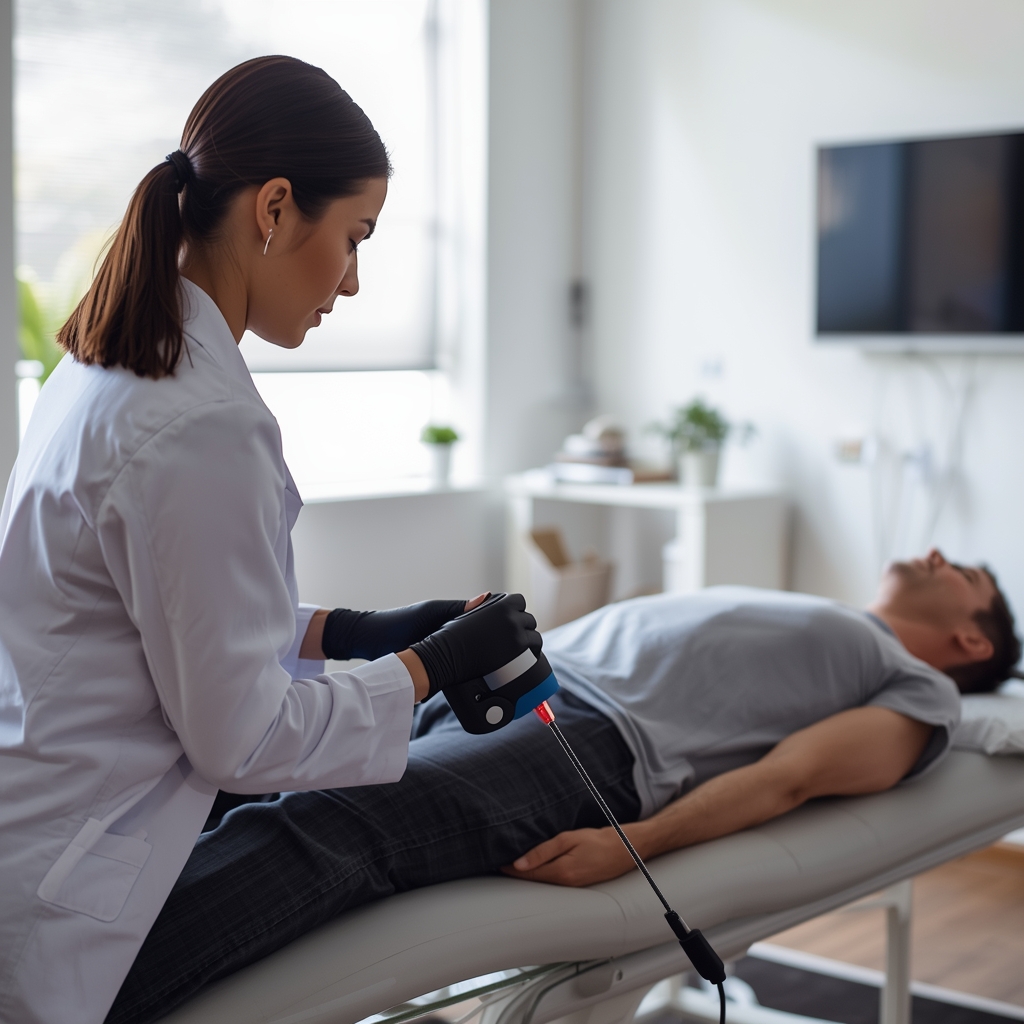
What Is Cold Laser Therapy and How Does It Work?
Cold laser therapy, also known as low-level laser therapy (LLLT), is a non-invasive treatment that uses specific wavelengths of light to stimulate cellular function and promote healing. Unlike traditional lasers that generate heat, cold lasers emit low-intensity light that interacts with tissues at the cellular level without causing damage. This therapy is often used to reduce pain, inflammation, and swelling while accelerating the body’s natural repair processes. In the context of auto accident-related injuries, cold laser therapy targets soft tissues such as muscles, ligaments, and tendons, which are frequently affected by trauma. By enhancing mitochondrial activity and increasing ATP production, the therapy supports cellular energy and metabolic functions, creating an environment conducive to recovery. Its gentle nature makes it a popular option for patients seeking alternatives to medication or more aggressive interventions.
Key Mechanisms Behind Cold Laser Therapy’s Effectiveness
The therapeutic effects of cold laser therapy stem from its ability to influence biological processes at the cellular level. One primary mechanism involves photobiomodulation, where light energy is absorbed by chromophores in cells, triggering a cascade of reactions that reduce inflammation and oxidative stress. This can lead to decreased pain and improved tissue repair. Additionally, cold laser therapy may enhance blood flow and lymphatic drainage, which helps remove waste products and deliver nutrients to injured areas. It also stimulates the production of anti-inflammatory cytokines while inhibiting pro-inflammatory ones, further supporting recovery. For soft tissue injuries from auto accidents, these effects can translate to faster healing times and reduced discomfort. While the exact pathways are still under research, the therapy’s broad cellular impact makes it a valuable tool in integrative injury care, often used alongside chiropractic adjustments and physical therapy to optimize outcomes.
Application of Cold Laser Therapy for Auto Accident Injuries
Auto accidents often result in soft tissue injuries such as whiplash, sprains, and muscle strains, which can cause persistent pain and limited mobility. Cold laser therapy is increasingly used to address these conditions by targeting the affected areas with precise light wavelengths. For instance, in cases of whiplash, the therapy can reduce inflammation in the cervical spine and surrounding muscles, alleviating neck pain and stiffness. Similarly, for injuries to the back or shoulders, cold laser therapy may help repair damaged tissues and restore function. The treatment is typically administered in multiple sessions, with each session lasting 10–20 minutes. Patients often report gradual improvements in pain levels and range of motion over time. While cold laser therapy is not a standalone solution, it complements other chiropractic and rehabilitative approaches, offering a non-invasive option for those seeking to avoid prolonged medication use or invasive procedures.
Integration With Chiropractic Care and Rehabilitation
Cold laser therapy is often incorporated into broader chiropractic treatment plans for auto accident injuries, enhancing the effectiveness of manual adjustments and rehabilitative exercises. Chiropractors may use the therapy to reduce inflammation and pain before or after spinal manipulations, allowing for more comfortable and effective adjustments. This synergy can lead to faster recovery and improved long-term outcomes. Additionally, cold laser therapy can support soft tissue rehabilitation by promoting collagen synthesis and tissue regeneration, which is crucial for repairing ligaments and tendons. Patients undergoing physical therapy may also benefit from the therapy’s ability to increase blood flow and reduce scar tissue formation. By combining cold laser therapy with other modalities, chiropractors can create personalized care plans that address both the immediate symptoms and underlying causes of soft tissue injuries. This integrative approach underscores the value of cold laser therapy as a complementary tool in injury recovery.
Safety, Efficacy, and Patient Considerations
Cold laser therapy is generally considered safe when administered by trained professionals, with minimal side effects reported. Common reactions include mild warmth or tingling at the treatment site, which typically subsides quickly. However, it is not suitable for all patients, particularly those with photosensitive conditions or who are taking medications that increase light sensitivity. As with any medical treatment, it is essential to consult a qualified chiropractor to determine if cold laser therapy is appropriate for an individual’s specific injury and health history. While many patients experience relief from pain and improved mobility, results can vary based on factors such as injury severity and overall health. Patients should also be aware that cold laser therapy is not a substitute for comprehensive care and may require multiple sessions to achieve optimal benefits. Open communication with healthcare providers ensures that the therapy is used safely and effectively as part of a broader recovery strategy.
Real-World Outcomes and Patient Experiences
Many patients with auto accident-related soft tissue injuries have reported positive experiences with cold laser therapy, noting reduced pain and faster recovery times. For example, individuals with whiplash often describe decreased neck stiffness and improved range of motion after several sessions. Others with muscle strains or ligament sprains have found the therapy helpful in managing discomfort and accelerating healing. While individual results vary, these anecdotal accounts highlight the potential benefits of cold laser therapy as part of a multidisciplinary approach to recovery. It is important to note that outcomes depend on factors such as the injury’s severity, the patient’s adherence to treatment plans, and the expertise of the healthcare provider. Patients considering cold laser therapy should discuss their options with a chiropractor to determine if it aligns with their specific needs and goals. By combining this therapy with other evidence-based treatments, patients can take a proactive role in their recovery journey.














