
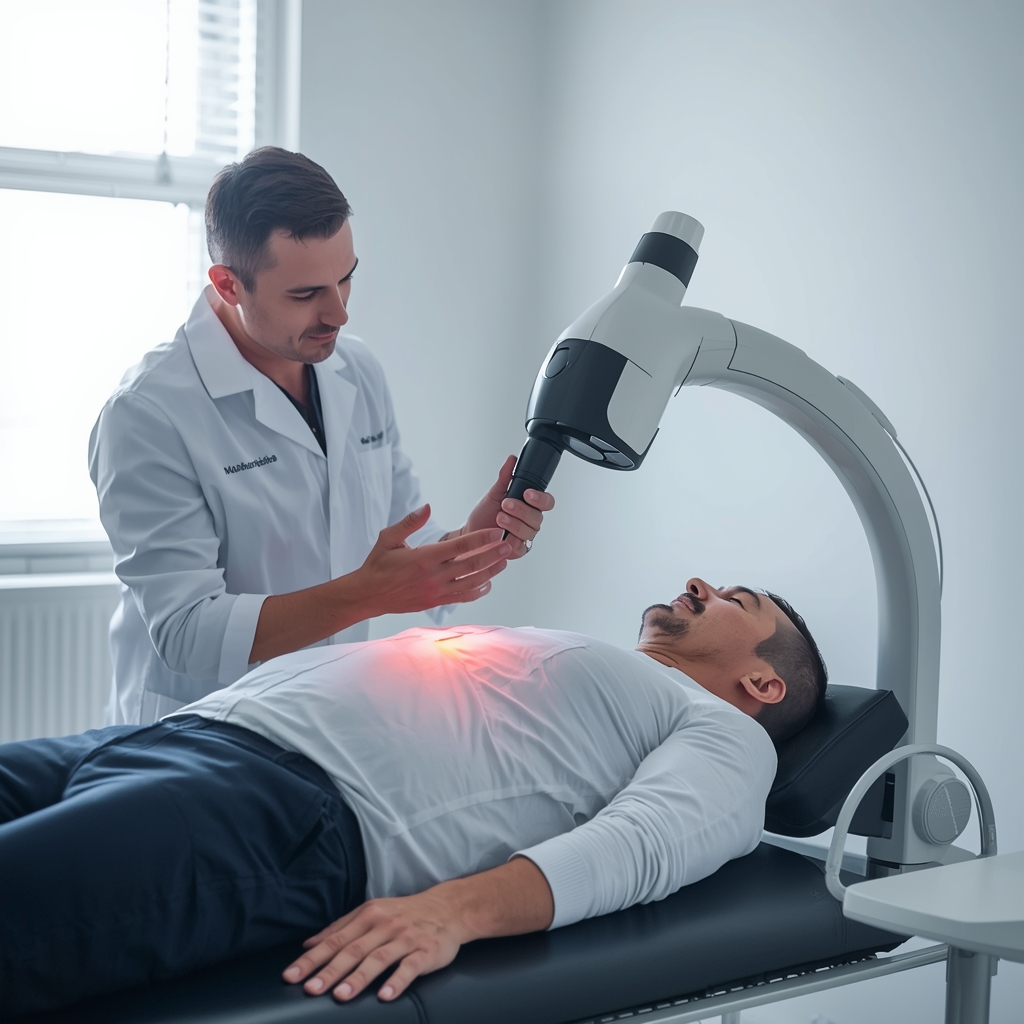
Understanding Cold Laser Therapy for Herniated Discs
Cold laser therapy, also known as low-level laser therapy (LLLT), is a non-invasive treatment that uses specific wavelengths of light to stimulate cellular function. For patients with herniated discs, this therapy is often explored as a complementary approach to traditional chiropractic care. While it does not directly repair the disc itself, it may help manage symptoms by reducing inflammation and promoting tissue healing. The therapy is typically applied to the affected area of the spine, targeting the surrounding muscles and soft tissues. It is important to note that cold laser therapy is not a substitute for spinal adjustments or other interventions but can be part of a broader treatment plan. Patients considering this option should consult their chiropractor to determine if it aligns with their specific condition and recovery goals.
How Cold Laser Therapy Works at the Cellular Level
The mechanism of cold laser therapy involves photons of light interacting with cells to enhance their function. This process, called photobiomodulation, can increase ATP production, reduce oxidative stress, and stimulate the release of anti-inflammatory substances. For herniated discs, this may help alleviate pain and swelling in the surrounding tissues. The therapy’s ability to penetrate soft tissues and reach deeper structures makes it a potential tool for addressing discomfort associated with disc-related issues. However, the exact ways it interacts with spinal disc material remain an area of ongoing research. While some studies suggest benefits, the scientific consensus emphasizes that more evidence is needed to fully understand its efficacy. Patients should approach cold laser therapy as one of many possible options, discussing its use with a qualified healthcare provider.
Reducing Inflammation and Pain Associated with Herniated Discs
Inflammation is a common consequence of herniated discs, often contributing to pain and limited mobility. Cold laser therapy may help mitigate this by modulating inflammatory responses in the body. By reducing the activity of pro-inflammatory molecules, the therapy could ease discomfort and improve the patient’s ability to engage in physical therapy or chiropractic adjustments. It is also theorized that the therapy may enhance the body’s natural pain-relief mechanisms, such as endorphin production. While these effects are not unique to cold laser therapy, they align with broader principles of integrative care. For individuals seeking non-pharmacological pain management, this approach may offer a viable alternative or adjunct to conventional treatments. As with any therapy, results can vary, and it is crucial to work with a chiropractor to tailor the approach to individual needs.
Promoting Tissue Repair and Healing
One of the potential benefits of cold laser therapy is its role in promoting tissue repair, which may support the body’s natural healing processes. For patients with herniated discs, this could mean faster recovery of surrounding muscles, ligaments, and nerves that may be affected by the disc issue. The therapy’s ability to stimulate fibroblast activity and collagen production could aid in repairing damaged soft tissues. However, it is essential to recognize that herniated discs themselves are not typically repaired through this method. Instead, cold laser therapy may contribute to a more favorable environment for healing by reducing inflammation and improving blood flow. This supportive role makes it a valuable tool in a comprehensive treatment strategy, but it should not be viewed as a standalone solution for disc-related conditions.
Complementary Role in Chiropractic Treatment Plans
Cold laser therapy is often integrated into broader chiropractic treatment plans for herniated discs, working alongside adjustments, physical therapy, and lifestyle modifications. Chiropractors may use it to prepare the body for adjustments by reducing muscle tension or to support recovery after an adjustment. This combination approach can address both the structural and physiological aspects of the condition. For example, reducing inflammation with cold laser therapy might make spinal adjustments more effective by improving the patient’s comfort and mobility. However, the effectiveness of this integration depends on the individual’s specific case and the chiropractor’s expertise. Patients should discuss how cold laser therapy fits into their overall care plan to ensure it aligns with their goals and medical history.
When to Consider Cold Laser Therapy for Herniated Discs
Patients with herniated discs may consider cold laser therapy as part of their treatment options if they are seeking non-invasive, drug-free approaches. It is particularly appealing for those who want to avoid medications or surgical interventions. However, it is not suitable for everyone, and its use should be guided by a chiropractor’s assessment. Factors such as the severity of the herniation, the presence of other medical conditions, and the patient’s response to previous treatments will influence its appropriateness. While cold laser therapy is generally considered safe, it is not a guaranteed solution. Patients should have realistic expectations and understand that it may work best when combined with other therapies. Consulting with a qualified chiropractor is the first step in determining whether this approach is right for their specific situation.













