
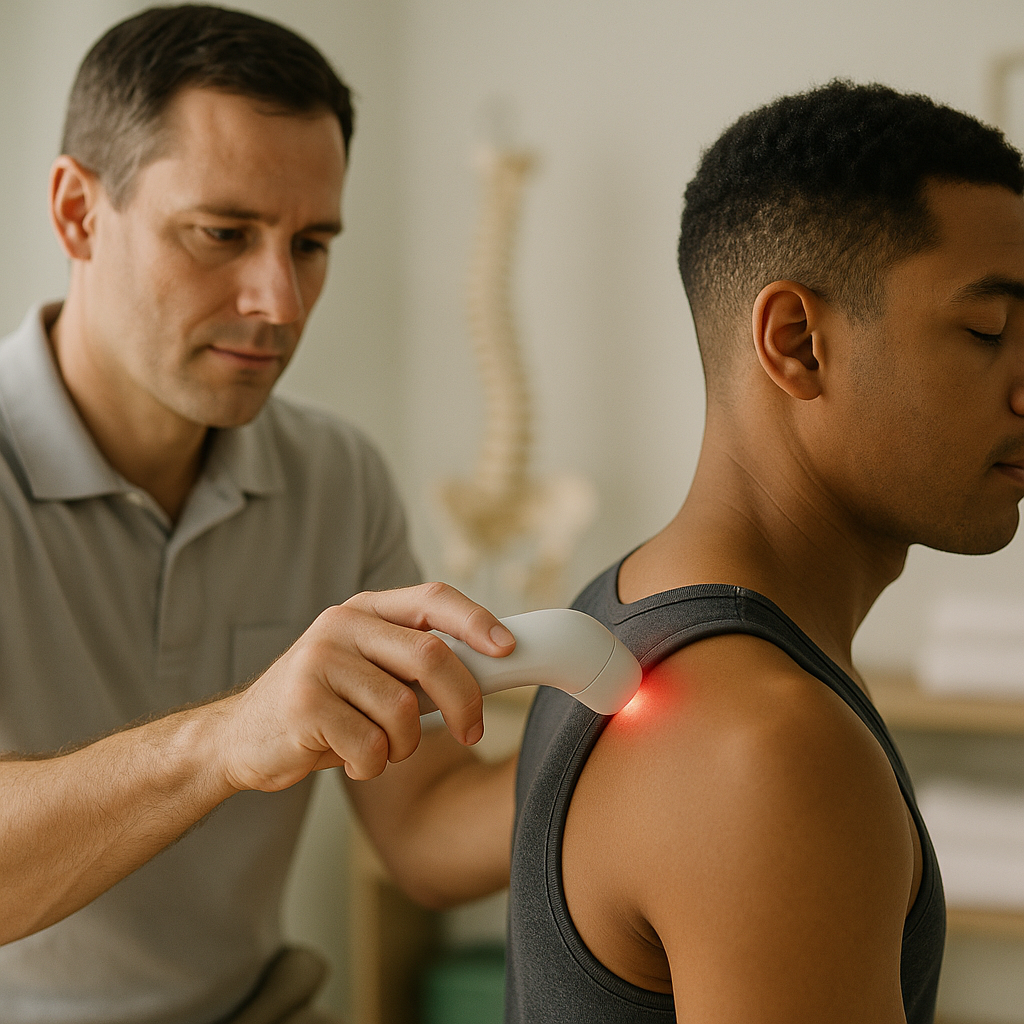
Understanding Cold Laser Therapy in Chiropractic Care
Cold laser therapy has emerged as one of the most intriguing and effective treatment modalities available in modern chiropractic practice. Also known as low level laser therapy (LLLT), this non-invasive technique uses specific wavelengths of light to stimulate healing, reduce inflammation, and relieve pain at the cellular level. As more patients seek drug-free alternatives to managing chronic and acute conditions, understanding what cold laser therapy involves and how it works has never been more important.
What Exactly Is Cold Laser Therapy?
Cold laser therapy, or photobiomodulation, is a form of light therapy that delivers low-intensity laser energy directly to targeted tissues in the body. Unlike surgical or aesthetic lasers that generate heat to cut or resurface tissue, cold lasers operate at power levels that do not produce any thermal effect. This is precisely where the term “cold” originates — the laser does not heat the surrounding tissue during treatment.
In a chiropractic setting, practitioners use handheld devices that emit red and near-infrared light at wavelengths typically ranging between 600 and 1000 nanometers. These wavelengths are carefully selected because they penetrate the skin effectively and interact with the body’s cells in a highly beneficial manner. The treatment is completely painless, and most patients report nothing more than a mild, comfortable sensation during sessions.
The Science Behind Photobiomodulation
The therapeutic mechanism of photobiomodulation centers on a process known as cellular photoactivation. When low-level laser light reaches the target tissue, it is absorbed by photoreceptors within the mitochondria — the powerhouse of human cells. This absorption triggers a cascade of biochemical events that promote healing and cellular regeneration.
Key biological responses observed during LLLT chiropractic treatment include:
- Increased ATP production: Mitochondrial activity is enhanced, resulting in greater energy production that fuels cellular repair and regeneration.
- Reduced oxidative stress: The therapy helps neutralize free radicals and decrease oxidative damage within tissues.
- Improved circulation: Blood flow and lymphatic drainage are stimulated, accelerating the removal of metabolic waste and delivery of nutrients to injured areas.
- Decreased inflammation: Pro-inflammatory mediators are reduced, providing measurable relief from swelling and discomfort.
- Enhanced collagen synthesis: The production of collagen is stimulated, supporting tissue repair and structural integrity.
These responses collectively create an environment in which the body can heal more efficiently and effectively than it might otherwise on its own.
How Is Cold Laser Therapy Used in Chiropractic Practice?
Chiropractors integrate cold laser treatment into comprehensive care plans to address a wide variety of musculoskeletal and neurological conditions. Rather than replacing traditional chiropractic adjustments, cold laser therapy typically functions as a complementary tool that enhances overall treatment outcomes.
During a typical session, the chiropractor will position the laser device directly over the area of concern. The duration of treatment can range from a few minutes to approximately twenty minutes, depending on the size of the area being treated and the nature of the condition. The number of sessions required varies considerably from patient to patient, though many individuals begin noticing improvement within three to five treatments.
Conditions Commonly Treated with LLLT in Chiropractic
Chiropractors frequently employ LLLT chiropractic protocols to address the following conditions:
- Neck and back pain, including chronic lower back pain
- Herniated or bulging discs
- Sciatica and nerve-related pain
- Shoulder injuries and rotator cuff conditions
- Knee pain and osteoarthritis
- Tendinitis and tendinopathy
- Carpal tunnel syndrome
- Fibromyalgia and myofascial pain syndrome
- Sports injuries and soft tissue strains
- Post-surgical rehabilitation
The versatility of cold laser therapy makes it suitable for patients of various ages and health backgrounds, including those who may not be candidates for more aggressive interventions.
What to Expect During a Cold Laser Treatment Session
Patients considering cold laser therapy at a chiropractic clinic can expect a straightforward and comfortable experience. There is no preparation required before the appointment, and no recovery time is needed afterward. Most individuals return to their daily activities immediately following treatment.
The chiropractor will begin by conducting a thorough assessment of the patient’s condition to determine the appropriate treatment parameters, including wavelength, power output, and duration. Protective eyewear is typically provided to both the patient and the practitioner as a precautionary measure against direct laser exposure to the eyes.
Throughout the session, the laser device is moved slowly over the treatment area, allowing the light to penetrate the underlying tissues. The experience is entirely non-invasive, and the absence of heat or vibration often makes it particularly appealing to patients who are sensitive to other forms of physical therapy.
Safety and Efficacy of Low Level Laser Therapy
The safety profile of low level laser therapy is well-established in the scientific literature. Numerous clinical studies and systematic reviews have examined the efficacy of photobiomodulation for musculoskeletal conditions, with a substantial body of evidence supporting its use for pain reduction and functional improvement.
Regulatory bodies including the U.S. Food and Drug Administration (FDA) have cleared certain cold laser devices for use in clinical settings, lending additional credibility to this treatment approach. Side effects are generally rare and minor, with occasional reports of temporary soreness or mild skin sensitivity at the treatment site.














