
Understanding Cold Laser Therapy for Acute Whiplash
Cold laser therapy, also known as low-level laser therapy (LLLT), uses specific wavelengths of light to stimulate cellular function and promote healing. For acute whiplash injuries, this non-invasive approach may help reduce inflammation, alleviate pain, and accelerate tissue repair. Chiropractors often integrate cold laser therapy into treatment plans to complement traditional adjustments and manual therapies. The therapy works by enhancing mitochondrial activity, which supports energy production in cells and encourages faster recovery. While research on its efficacy for whiplash is ongoing, many practitioners report positive outcomes when used alongside other chiropractic techniques. Patients typically experience minimal discomfort during sessions, making it a viable option for those seeking drug-free pain management.
How Cold Laser Therapy Supports Tissue Repair
The primary mechanism of cold laser therapy involves photobiomodulation, where light energy is absorbed by cells to trigger biological responses. In the context of whiplash, this process may reduce swelling and improve blood flow to affected areas, such as the cervical spine and surrounding soft tissues. By enhancing oxygen delivery and nutrient uptake, the therapy can help repair damaged muscles, ligaments, and nerves. Chiropractors may apply the laser to specific points along the spine or directly to inflamed regions to maximize benefits. While the exact biological pathways are still being studied, the therapy’s ability to modulate inflammatory markers and support cellular metabolism is widely recognized. Patients often notice reduced stiffness and improved range of motion after repeated sessions, though results vary based on injury severity and individual health factors.
Integrating Cold Laser Therapy with Chiropractic Care
Chiropractors frequently combine cold laser therapy with spinal adjustments, soft tissue work, and rehabilitative exercises to address whiplash comprehensively. The laser can target areas that are difficult to manipulate manually, such as deep cervical muscles or irritated nerves. This adjunctive approach may enhance the effectiveness of adjustments by reducing pain and muscle tension, allowing for more precise realignment. Additionally, cold laser therapy can be used to prepare tissues for manual therapies, making them more responsive to treatment. Patients might receive a series of sessions over several weeks, with the chiropractor tailoring the frequency and intensity based on their progress. It’s important to note that cold laser therapy is not a standalone solution but a tool to support broader recovery goals. A qualified chiropractor can determine the optimal treatment plan for each individual’s needs.
Safety and Considerations for Cold Laser Therapy
Cold laser therapy is generally considered safe when administered by trained professionals. However, it is not suitable for everyone. Individuals with photosensitivity, certain skin conditions, or those taking photosensitizing medications should avoid the treatment. Chiropractors will conduct a thorough assessment before recommending cold laser therapy to ensure it aligns with the patient’s medical history and injury specifics. The therapy does not generate heat, minimizing the risk of burns or tissue damage. Patients may experience a mild warming sensation during treatment, but significant side effects are rare. As with any medical intervention, it’s crucial to discuss potential risks and benefits with a licensed chiropractor. They can also advise on complementary therapies to optimize recovery outcomes while avoiding contraindications.
What Patients Can Expect During Treatment
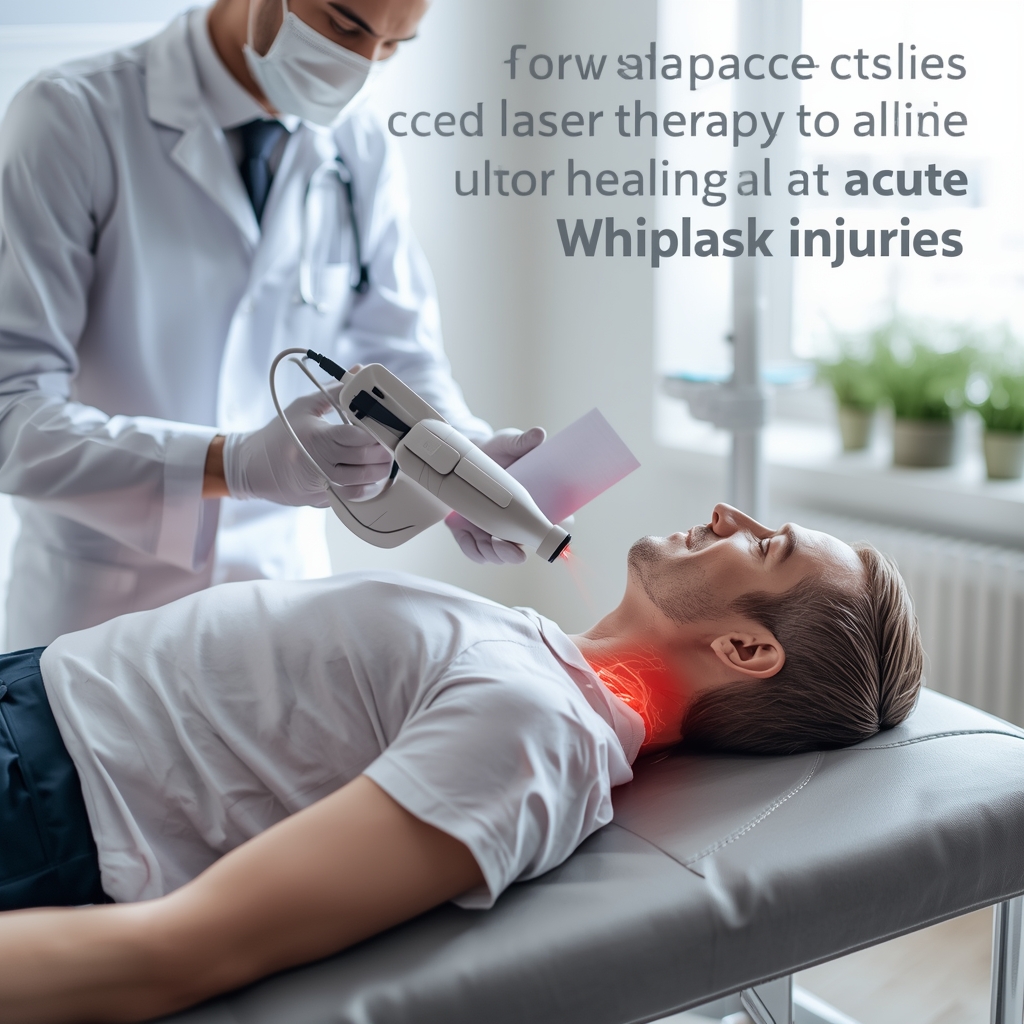
During a cold laser therapy session, the chiropractor will apply a handheld device to the affected areas, typically the neck and upper back. The process is painless and usually takes 5–15 minutes per session. Patients may feel a slight tingling or warmth, but no discomfort is expected. The number of sessions required depends on the severity of the whiplash injury and the patient’s response to treatment. Many chiropractors recommend multiple sessions over several weeks to achieve cumulative benefits. Patients are often encouraged to report any changes in symptoms or sensations during follow-ups. While some may notice improvements after the first session, others may require consistent treatments to experience significant relief. The chiropractor will monitor progress and adjust the plan as needed to support long-term recovery.
Conclusion: A Complementary Approach to Whiplash Recovery
Cold laser therapy offers a promising adjunct for chiropractors treating acute whiplash injuries. By reducing inflammation, supporting tissue repair, and enhancing the effectiveness of other treatments, it can play a valuable role in recovery. However, it is essential to approach this therapy as part of a personalized care plan developed by a qualified chiropractor. Patients should communicate openly about their symptoms, medical history, and treatment goals to ensure the safest and most effective outcomes. While cold laser therapy is not a substitute for traditional chiropractic care, its non-invasive nature and minimal side effects make it a beneficial option for many. As research continues, its role in injury recovery may expand, offering additional tools for patients seeking holistic healing.













