
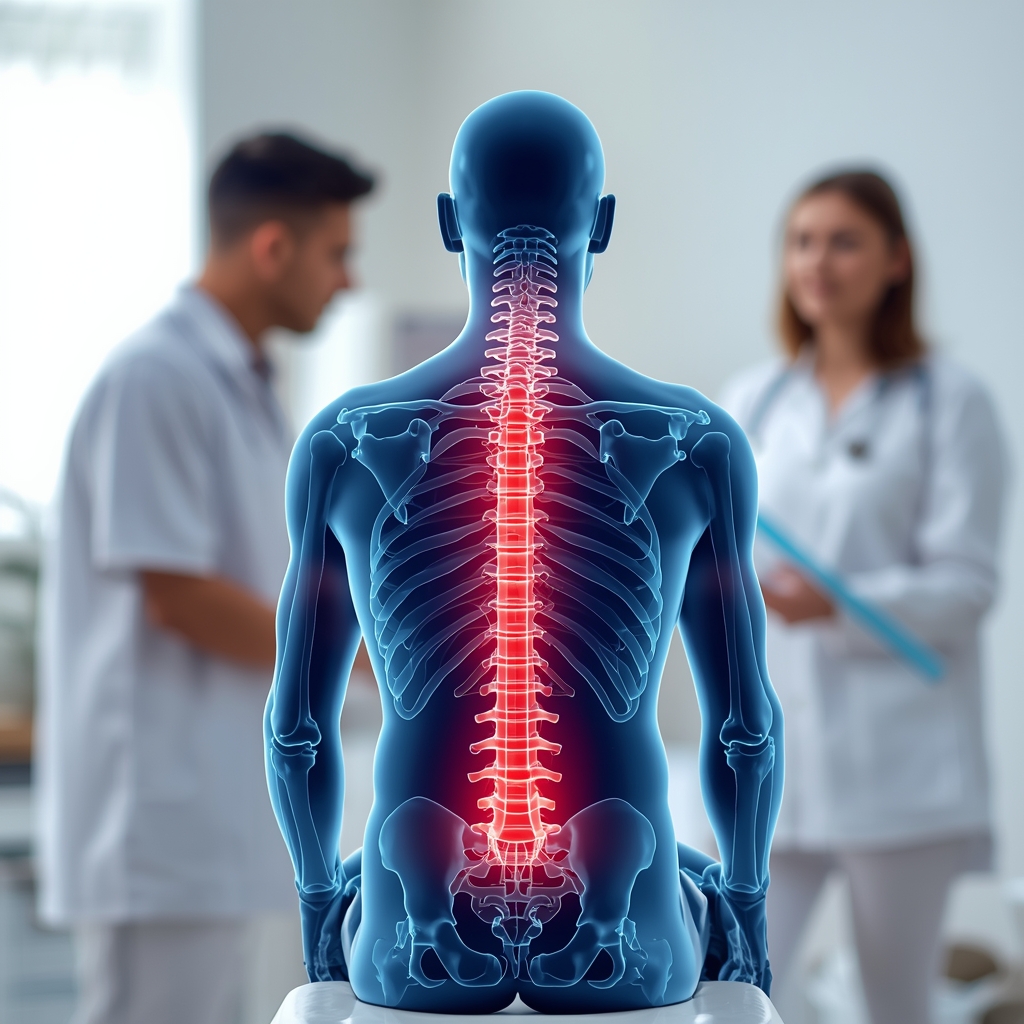
Understanding Cold Laser Therapy
Cold laser therapy, also known as low-level laser therapy (LLLT), uses specific wavelengths of light to stimulate cellular function and promote healing. Unlike surgical lasers, it does not generate heat or damage tissue. Instead, it works by enhancing mitochondrial activity, which can increase energy production in cells. This process may support tissue repair and reduce inflammation. While commonly associated with chronic conditions like joint pain, cold laser therapy has shown promise in various recovery scenarios, including post-surgical healing. Its non-invasive nature makes it a valuable tool for patients seeking to accelerate recovery without additional surgical intervention. Chiropractors often use it as part of a broader treatment plan to address musculoskeletal issues and support the body’s natural healing processes.
Post-Surgical Tissue Repair Challenges
After surgery, tissues undergo trauma, inflammation, and temporary disruption of blood flow, which can slow recovery. Swelling, scar tissue formation, and reduced mobility are common challenges that may prolong healing. Traditional recovery methods often focus on rest, physical therapy, and medication, but some patients seek complementary approaches to enhance outcomes. Cold laser therapy offers a potential solution by targeting cellular repair mechanisms. It may help reduce inflammation, improve circulation, and stimulate collagen production, all of which are critical for tissue regeneration. For post-surgical patients, this could mean faster healing, less discomfort, and improved functional recovery. However, its application requires careful evaluation by a qualified chiropractor to ensure it aligns with the patient’s specific needs and surgical history.
How Cold Laser Therapy Supports Healing
Cold laser therapy works by delivering light energy to damaged tissues, which is absorbed by cells and converted into biochemical energy. This process, known as photobiomodulation, can reduce oxidative stress and promote the production of adenosine triphosphate (ATP), the energy currency of cells. Enhanced ATP levels may accelerate the repair of damaged cells and tissues. Additionally, the therapy can modulate inflammatory responses, which is particularly beneficial after surgery when inflammation can hinder recovery. By improving circulation and reducing swelling, cold laser therapy may also support the delivery of nutrients and oxygen to healing tissues. These mechanisms collectively create an environment conducive to faster and more efficient tissue repair. While research continues to explore its full potential, many chiropractors incorporate cold laser therapy as a supportive measure for post-surgical patients.
Chiropractor's Role in Implementation
Chiropractors play a key role in determining whether cold laser therapy is suitable for post-surgical patients. They begin by assessing the patient’s medical history, surgical procedure, and current recovery stage to ensure the therapy is safe and appropriate. Once cleared, chiropractors use specialized devices to apply targeted light energy to the affected area. The treatment is typically painless, with patients often describing a warm or tingling sensation. Sessions are brief, lasting minutes, and may be repeated over several weeks depending on the patient’s progress. Chiropractors also monitor the patient’s response to the therapy, adjusting the protocol as needed. By combining cold laser therapy with other chiropractic techniques—such as spinal adjustments or soft tissue work—practitioners aim to optimize recovery outcomes. This holistic approach emphasizes personalized care and collaboration with other healthcare providers.
Combining with Other Therapies
Cold laser therapy is often used alongside other chiropractic and rehabilitative treatments to maximize post-surgical recovery. For example, it may complement spinal adjustments by reducing inflammation around the spine, which can improve alignment and mobility. It can also be paired with physical therapy exercises to enhance muscle strength and flexibility. Chiropractors may integrate it with modalities like electrical stimulation or ultrasound to address multiple aspects of healing. This multi-pronged approach allows for a more comprehensive recovery plan tailored to the patient’s needs. However, the effectiveness of these combinations depends on the patient’s condition and the chiropractor’s expertise. Open communication between the patient and provider is essential to ensure all therapies work synergistically without conflicting. By carefully coordinating treatments, chiropractors help create an optimal environment for tissue repair and functional restoration.
Patient Considerations and Safety
While cold laser therapy is generally safe, post-surgical patients should consult their chiropractor to determine its suitability. Factors such as the type of surgery, healing stage, and underlying health conditions can influence its effectiveness and safety. Patients with certain medical devices, like pacemakers, or those taking photosensitive medications, may need to avoid the therapy. Chiropractors also consider contraindications, such as active infections or cancer, which could be exacerbated by the treatment. Proper training and certification in cold laser therapy are essential for practitioners to ensure safe and effective application. Patients should report any unusual sensations during treatment to their provider. Ultimately, cold laser therapy is one of many tools in a chiropractor’s arsenal and should be used as part of a broader, personalized care plan. Open dialogue between patient and provider is critical to achieving the best possible outcomes.













