
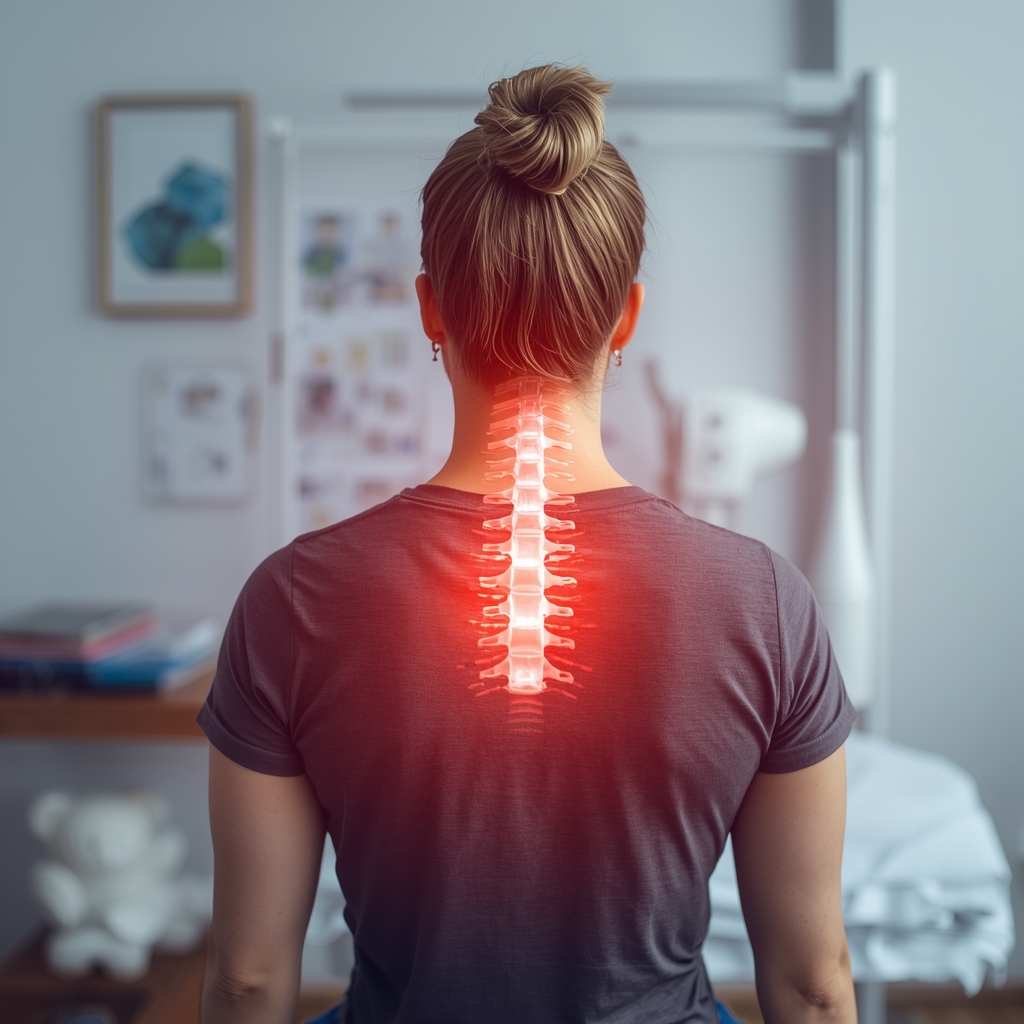
Understanding Low-Level Laser Therapy for Thoracic Spine Strains
Low-level laser therapy (LLLT), also known as cold laser therapy, is a non-invasive treatment that uses low-intensity lasers to stimulate cellular function and promote healing. For patients with thoracic spine strains, this therapy targets the affected area to reduce inflammation, alleviate pain, and accelerate tissue repair. Unlike high-intensity lasers used in surgical settings, LLLT does not generate heat, making it a safe option for various musculoskeletal conditions. Its application in chiropractic care has gained attention for addressing soft tissue injuries, including those affecting the upper back. By focusing on the thoracic region, LLLT can help restore mobility and support the body’s natural recovery processes.
How LLLT Promotes Healing in the Thoracic Spine
LLLT works by delivering light energy to damaged cells, which can enhance mitochondrial activity and increase adenosine triphosphate (ATP) production. This process supports cellular repair and reduces oxidative stress, contributing to faster recovery. In the context of thoracic spine strains, the therapy may help reduce swelling and muscle spasms while improving blood flow to the injured area. Research suggests that LLLT can modulate inflammatory responses, potentially minimizing pain and discomfort. Additionally, it may stimulate the release of endorphins, the body’s natural painkillers, offering a drug-free alternative for managing symptoms. These mechanisms collectively create an environment conducive to healing, making LLLT a valuable adjunct to traditional chiropractic treatments for thoracic injuries.
Benefits of Cold Laser Therapy for Upper Back Injuries
Patients with thoracic spine strains often experience localized pain, restricted movement, and persistent discomfort. Cold laser therapy offers several potential benefits, including targeted pain relief and reduced inflammation without the need for medication. By addressing the root causes of strain-related symptoms, LLLT may help restore normal function and prevent chronic issues. Its non-invasive nature makes it particularly appealing for individuals seeking alternatives to injections or surgery. Additionally, the therapy can be combined with other chiropractic techniques, such as spinal adjustments or soft tissue work, to enhance overall outcomes. Many patients report improved flexibility and decreased recovery time when LLLT is incorporated into their treatment plan, highlighting its role in comprehensive care for upper back injuries.
Integrating LLLT with Chiropractic Care
Chiropractors often use low-level laser therapy as part of a multifaceted approach to treating thoracic spine strains. By combining LLLT with manual adjustments, patients may experience synergistic effects that address both structural and soft tissue imbalances. The therapy can prepare the area for adjustments by reducing inflammation and muscle tension, potentially making the procedure more effective. Additionally, LLLT may help maintain improvements achieved through chiropractic care by supporting long-term tissue health. This integrative strategy underscores the value of personalized treatment plans tailored to each patient’s needs. Chiropractors evaluate individual cases to determine the optimal use of LLLT, ensuring it aligns with broader recovery goals. Such collaboration between modalities highlights the adaptability of cold laser therapy in spinal care.
Considerations and Safety in LLLT Application
While low-level laser therapy is generally considered safe, its use for thoracic spine strains should be guided by a qualified chiropractor. Proper technique and equipment are essential to avoid complications, such as skin irritation or ineffective treatment. Patients with certain medical conditions, including photosensitivity or pregnancy, may need to exercise caution or avoid the therapy altogether. It is crucial to discuss individual health histories and current medications with a healthcare provider before starting LLLT. Additionally, the therapy should not replace necessary medical evaluations or treatments for underlying conditions. Chiropractors emphasize that LLLT is most effective when part of a comprehensive care plan, ensuring that patients receive well-rounded support for their recovery.
Conclusion: The Role of Cold Laser Therapy in Recovery
Low-level laser therapy offers a promising option for enhancing recovery in patients with thoracic spine strains by leveraging biological mechanisms to reduce inflammation and support tissue repair. Its non-invasive nature and compatibility with other chiropractic techniques make it a versatile tool in musculoskeletal care. While individual results may vary, many patients find relief and improved mobility through this therapy. As with any treatment, it is essential to consult a licensed chiropractor to determine its suitability for specific conditions. By combining LLLT with traditional methods, healthcare providers can offer a holistic approach to addressing upper back injuries, promoting faster and more sustainable recovery.













