
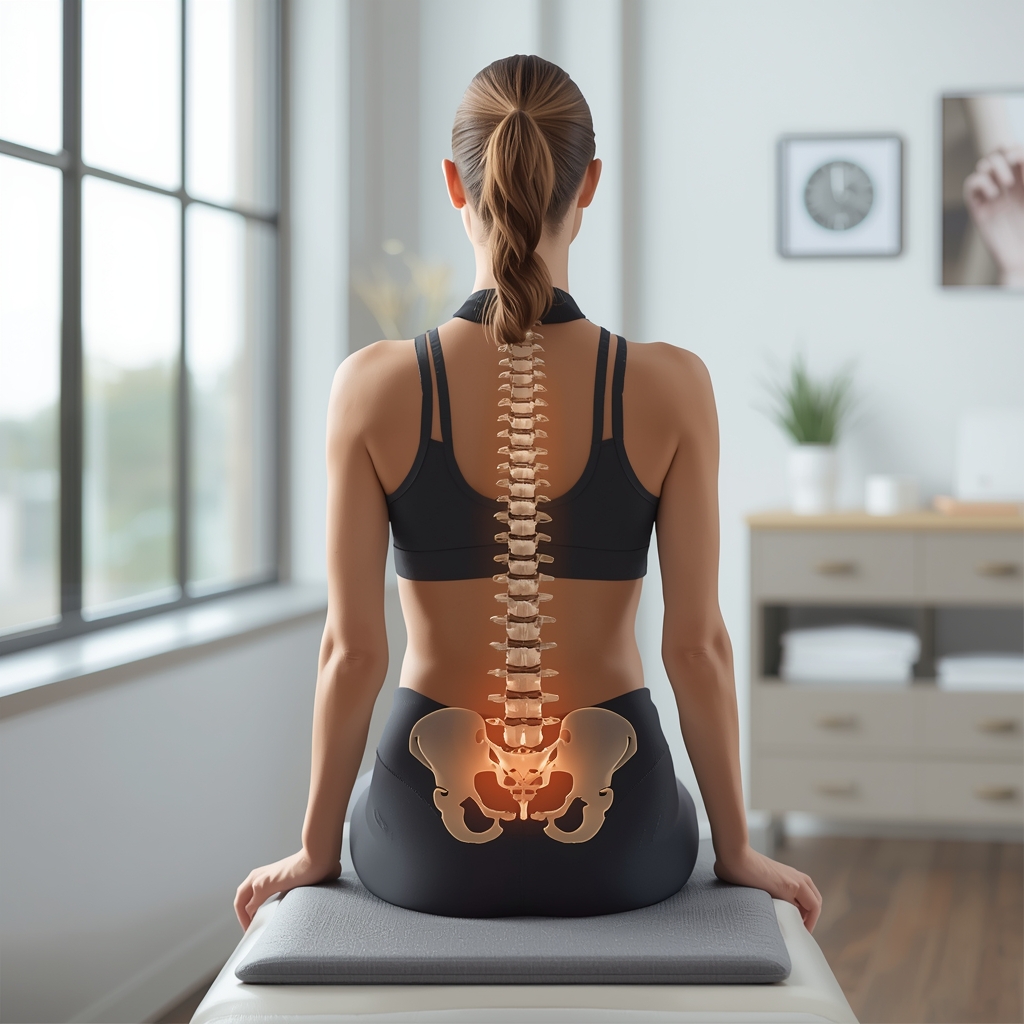
Understanding Sacroiliac Joint Dysfunction in Athletes
Sacroiliac joint dysfunction (SIJD) is a common musculoskeletal issue among athletes, often caused by repetitive stress, biomechanical imbalances, or trauma. The sacroiliac joints connect the spine to the pelvis, and dysfunction here can lead to pain, reduced mobility, and impaired athletic performance. Athletes in high-impact sports like running, soccer, or weightlifting are particularly susceptible. While SIJD can mimic other conditions like sciatica, its hallmark is localized pain in the lower back or hips, often exacerbated by movement. Early recognition and targeted intervention are critical to prevent chronic issues. Manual therapies play a key role in addressing SIJD by restoring joint mobility, reducing inflammation, and improving neuromuscular control. This article explores evidence-based approaches to manage SIJD in athletes effectively.
Spinal Manipulation and Adjustments
Spinal manipulation, a cornerstone of chiropractic care, is frequently used to treat SIJD by realigning the sacroiliac joints and improving biomechanics. Techniques such as high-velocity, low-amplitude thrusts aim to restore normal joint function and alleviate pain. Research suggests that these adjustments can reduce inflammation and enhance proprioception, which is vital for athletes. However, the effectiveness varies based on the practitioner’s skill and the athlete’s specific condition. While some studies highlight short-term benefits, long-term outcomes require further investigation. Athletes should work with licensed chiropractors to ensure safe, personalized care. Spinal manipulation is often combined with other therapies to maximize results, emphasizing the importance of a holistic approach to SIJD management.
Soft Tissue Therapies
Soft tissue therapies target the muscles, ligaments, and fascia surrounding the sacroiliac joint, addressing tension and imbalances that contribute to SIJD. Techniques like myofascial release, trigger point therapy, and deep tissue massage help reduce muscle spasms and improve blood flow. For athletes, these methods can enhance recovery by breaking down adhesions and restoring flexibility. Studies indicate that soft tissue work, when paired with joint adjustments, may lead to better pain relief and functional outcomes. Athletes often report reduced stiffness and improved range of motion after sessions. However, the therapy should be tailored to their activity level and injury history. Consistency is key, as chronic SIJD may require ongoing management. Practitioners must assess individual needs to avoid over-treatment or exacerbating symptoms.
Instrument-Assisted Techniques
Instrument-assisted soft tissue mobilization (IASTM), such as the Graston Technique, uses specialized tools to detect and treat soft tissue restrictions. This method is particularly effective for athletes with SIJD, as it targets scar tissue and adhesions in the pelvic region. By breaking down these restrictions, IASTM can improve joint mobility and reduce pain. Research suggests that IASTM enhances recovery by stimulating collagen production and promoting tissue remodeling. Athletes often experience faster return to training after IASTM sessions, though results vary based on injury severity. When combined with manual adjustments, IASTM can address both structural and muscular components of SIJD. However, it should be administered by trained professionals to avoid bruising or further injury. Athletes should discuss this option with their chiropractor to determine its suitability for their condition.
Exercise and Rehabilitation Strategies
Strengthening and stabilization exercises are essential for long-term SIJD management in athletes. Core strengthening, hip flexor stretches, and gluteal activation exercises help stabilize the pelvis and reduce joint strain. Evidence-based programs, such as those focusing on proprioception and neuromuscular control, are often recommended to prevent recurrence. Athletes may benefit from tailored rehabilitation plans that align with their sport’s demands. For example, runners might focus on lower-body strength, while weightlifters prioritize pelvic stability. Research highlights the importance of progressive loading and functional movement patterns to restore normal mechanics. While manual therapies provide immediate relief, exercise programs address underlying weaknesses. Athletes should collaborate with chiropractors or physical therapists to design safe, effective routines that support recovery and performance.
The Role of Evidence-Based Care
Addressing SIJD in athletes requires a foundation of evidence-based practices to ensure safety and efficacy. Chiropractors and manual therapists rely on clinical guidelines and peer-reviewed research to inform treatment decisions. While some techniques lack robust data, others, like spinal manipulation and IASTM, have shown promise in controlled studies. Athletes should seek providers who prioritize transparency, explaining the rationale behind each intervention. Integrating multiple modalities—such as adjustments, soft tissue work, and exercise—often yields the best outcomes. Regular reassessment is crucial to monitor progress and adjust strategies as needed. By focusing on proven methods, athletes can manage SIJD effectively while minimizing risks. Always consult a qualified healthcare professional to explore options tailored to your unique needs and goals.












