
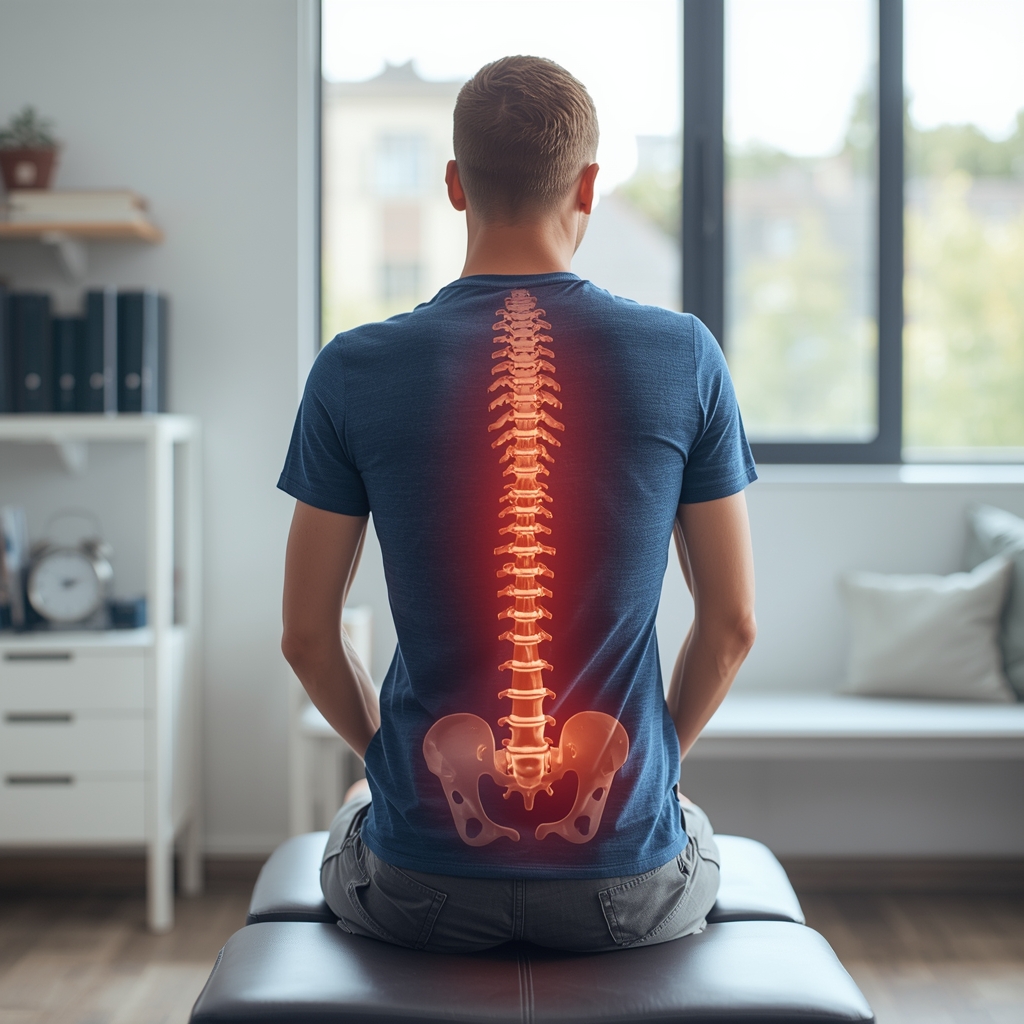
Understanding Sacroiliac Joint Dysfunction in Collegiate Athletes
Sacroiliac joint dysfunction (SIJD) is a common source of lower back and pelvic pain among collegiate athletes, often exacerbated by high-impact sports, repetitive movements, or poor biomechanics. The sacroiliac joints connect the spine to the pelvis, and dysfunction here can lead to instability, pain, and reduced athletic performance. Athletes may experience symptoms such as localized tenderness, radiating discomfort, or difficulty with activities like running or jumping. While SIJD can mimic other conditions like sciatica or lumbar disc issues, accurate diagnosis typically involves physical examination, imaging, and patient history. Manual therapies are often part of a multidisciplinary approach to manage pain and restore function, but their effectiveness varies based on the athlete’s specific condition and the techniques employed.
Spinal Manipulative Therapy and Joint Mobilization
Spinal manipulative therapy (SMT), including joint mobilization techniques, is widely used to address SIJD by restoring proper alignment and movement to the sacroiliac joints. These manual interventions aim to reduce joint restrictions, alleviate pain, and improve range of motion. For athletes, SMT can be particularly beneficial when combined with functional movement assessments to identify and correct biomechanical imbalances. Research suggests that SMT may provide short-term relief for SIJD, though long-term outcomes require further study. Athletes should work with licensed chiropractors or physical therapists to ensure techniques are tailored to their sport-specific demands, minimizing the risk of re-injury. While SMT is not a standalone solution, it often complements other therapies like strengthening exercises or gait training.
Myofascial Release and Soft Tissue Techniques
Myofascial release and soft tissue therapies target tightness or dysfunction in the muscles surrounding the sacroiliac joint, such as the gluteals, piriformis, and hamstrings. These techniques, including Active Release Technique (ART) and Graston Technique, aim to break down adhesions and improve tissue elasticity. For athletes, myofascial work can enhance flexibility, reduce pain, and prevent recurrence of SIJD by addressing muscular imbalances. Studies highlight the role of soft tissue interventions in managing musculoskeletal pain, though evidence specific to collegiate athletes remains limited. When performed by trained professionals, these therapies can be a valuable adjunct to joint-focused treatments, supporting overall recovery and performance. Athletes should communicate their sport-specific goals to ensure therapies align with their training schedules.
Dry Needling and Trigger Point Therapy
Dry needling and trigger point therapy involve inserting fine needles into muscle knots to relieve tension and pain. These methods are increasingly used for SIJD, as trigger points in the lumbar and pelvic regions can contribute to joint dysfunction. By deactivating these points, athletes may experience reduced pain and improved mobility, enabling better participation in training. While dry needling is often associated with acupuncture, it is distinct in its focus on neuromuscular dysfunction. Evidence supports its use for musculoskeletal conditions, but its efficacy for SIJD specifically requires more research. Athletes considering these therapies should seek practitioners with specialized training to ensure safety and effectiveness, particularly given the complexity of athletic injuries.
Integrative Approaches and Patient-Centered Care
Effective management of SIJD in athletes often requires an integrative approach, combining manual therapies with exercise rehabilitation, posture correction, and lifestyle modifications. Chiropractors may incorporate techniques like electrical stimulation or ultrasound to reduce inflammation, while physical therapists focus on core strengthening and proprioception training. Personalized care plans are critical, as collegiate athletes have diverse needs based on their sport, injury history, and recovery goals. Open communication between healthcare providers and athletes ensures treatments are both evidence-based and practical for maintaining athletic performance. While manual therapies can provide symptomatic relief, long-term success depends on addressing underlying biomechanical factors and fostering patient education.
Considerations for Evidence-Based Practice
When evaluating manual therapies for SIJD, it is essential to prioritize interventions supported by clinical evidence and professional guidelines. Techniques like SMT, myofascial release, and dry needling are commonly used, but their effectiveness can vary based on execution and individual patient response. Athletes should consult qualified providers who stay updated on research and adhere to ethical standards. While some therapies may offer rapid symptom relief, others focus on long-term musculoskeletal health. Ultimately, the choice of treatment should align with the athlete’s goals, injury severity, and overall health. By emphasizing collaboration between healthcare professionals and athletes, manual therapies can play a meaningful role in restoring function and preventing future complications.













