
Understanding Sacroiliac Joint Dysfunction in Athletes
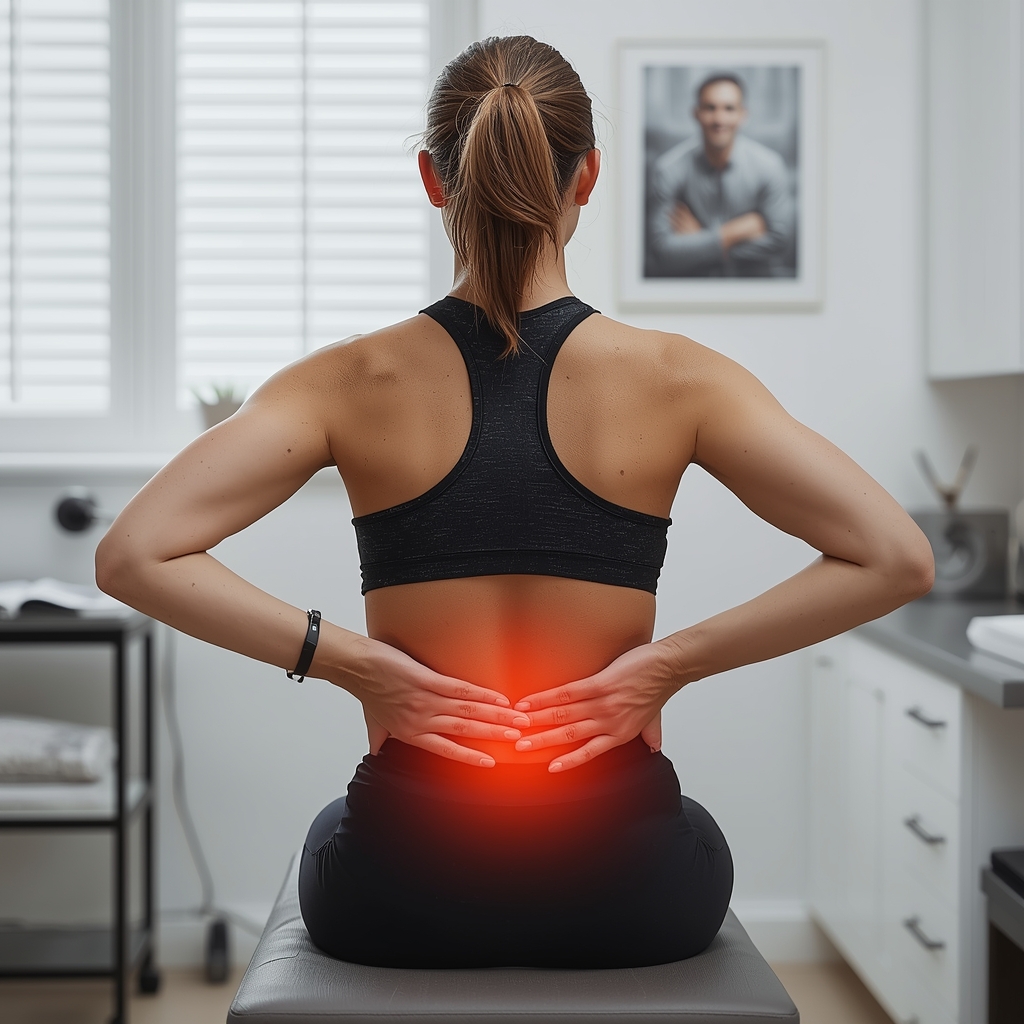
Sacroiliac joint dysfunction (SIJD) occurs when the joints connecting the sacrum to the pelvis become misaligned or inflamed, causing pain and reduced mobility. Athletes, particularly those involved in high-impact sports like running, soccer, or weightlifting, are prone to SIJD due to repetitive stress, improper biomechanics, or sudden trauma. This condition can disrupt performance, lead to chronic discomfort, and increase the risk of compensatory injuries. While SIJD is common, its symptoms—such as lower back pain, hip stiffness, or radiating discomfort—can overlap with other issues like sciatica or lumbar strain. A chiropractor specializing in sports care can differentiate SIJD from similar conditions through physical exams and imaging, ensuring targeted treatment. Addressing SIJD early is critical for athletes to maintain function and avoid long-term complications.
Common Chiropractic Adjustments for SIJD
Chiropractic adjustments for SIJD focus on restoring proper alignment and function to the sacroiliac joints. Manual adjustments, such as the diversified technique, involve precise, controlled forces to realign the joints and alleviate pressure on surrounding nerves and soft tissues. Athletes often benefit from these adjustments, as they can reduce inflammation and improve range of motion. Another approach is the activator method, which uses a handheld instrument to deliver gentle, low-force adjustments, minimizing discomfort during treatment. Spinal manipulation is frequently combined with soft tissue therapies to address muscle tension that may contribute to SIJD. While these techniques are widely used, their effectiveness can vary based on the individual’s condition, sport-specific demands, and overall health. A qualified chiropractor will tailor the adjustment plan to the athlete’s needs, ensuring safety and optimal outcomes.
The Role of Sports Chiropractic in SIJD Treatment
Sports chiropractic is a specialized field focusing on the unique needs of athletes, including the prevention and treatment of injuries like SIJD. Unlike general chiropractic care, sports-focused practitioners understand the biomechanical stresses of athletic activities and design treatments to support rapid recovery and performance. For SIJD, this may involve dynamic adjustments that mimic movement patterns specific to the athlete’s sport, enhancing functional restoration. Techniques such as instrument-assisted soft tissue mobilization (IASTM) or myofascial release can complement adjustments by addressing muscle imbalances or tightness around the pelvis. Sports chiropractors also emphasize rehabilitation exercises to strengthen core and stabilizing muscles, reducing the likelihood of recurrence. By integrating these approaches, athletes can return to their activities with improved stability and reduced pain, making sports chiropractic a valuable component of SIJD management.
Integrating Soft Tissue Therapies with Adjustments
Soft tissue therapies play a crucial role in treating SIJD by addressing the muscles, ligaments, and fascia surrounding the sacroiliac joints. Techniques like Active Release Technique (ART) or Graston Technique help break down scar tissue and adhesions that may contribute to joint dysfunction. These methods are often used alongside chiropractic adjustments to enhance mobility and reduce inflammation. For athletes, soft tissue work can also improve flexibility and prevent compensatory movements that strain the lower back. Additionally, dry needling or trigger point therapy may be employed to relieve muscle tension and restore normal function. While adjustments realign the joints, soft tissue therapies address the underlying muscular imbalances that can perpetuate SIJD. A comprehensive approach combining both modalities is typically more effective than either method alone, especially for athletes with high physical demands.
Considerations for Athletes Seeking Chiropractic Care
When athletes seek chiropractic care for SIJD, several factors should be considered to ensure safe and effective treatment. First, the chiropractor should have experience in sports medicine and a thorough understanding of athletic biomechanics. This expertise allows for accurate diagnosis and personalized treatment plans that align with the athlete’s training schedule and goals. Recovery time, injury history, and the sport’s physical demands all influence the approach. For example, a runner with SIJD may require different adjustments than a weightlifter. Athletes should also communicate openly about their symptoms, pain levels, and any previous treatments to avoid conflicts or overuse. Regular follow-ups and adjustments to the care plan are essential, as progress can vary. By working closely with a qualified provider, athletes can optimize their recovery and minimize the risk of re-injury.
When to Consult a Chiropractor for SIJD
If an athlete experiences persistent lower back, hip, or groin pain that worsens with activity, it may indicate SIJD. Other signs include stiffness after rest, difficulty standing or walking, or pain radiating to the thighs. While self-care measures like rest or stretching may provide temporary relief, persistent symptoms warrant professional evaluation. A chiropractor can perform specific tests, such as the FABER (Flexion, Abduction, External Rotation) test, to confirm SIJD and rule out other conditions. Early intervention is key to preventing chronic issues and ensuring a timely return to sport. Athletes should also seek care if pain interferes with training, sleep, or daily activities. A chiropractor will develop a treatment strategy that balances adjustment, therapy, and rehabilitation, tailored to the athlete’s unique needs and goals.















