
Understanding the Risks of Holiday Activities
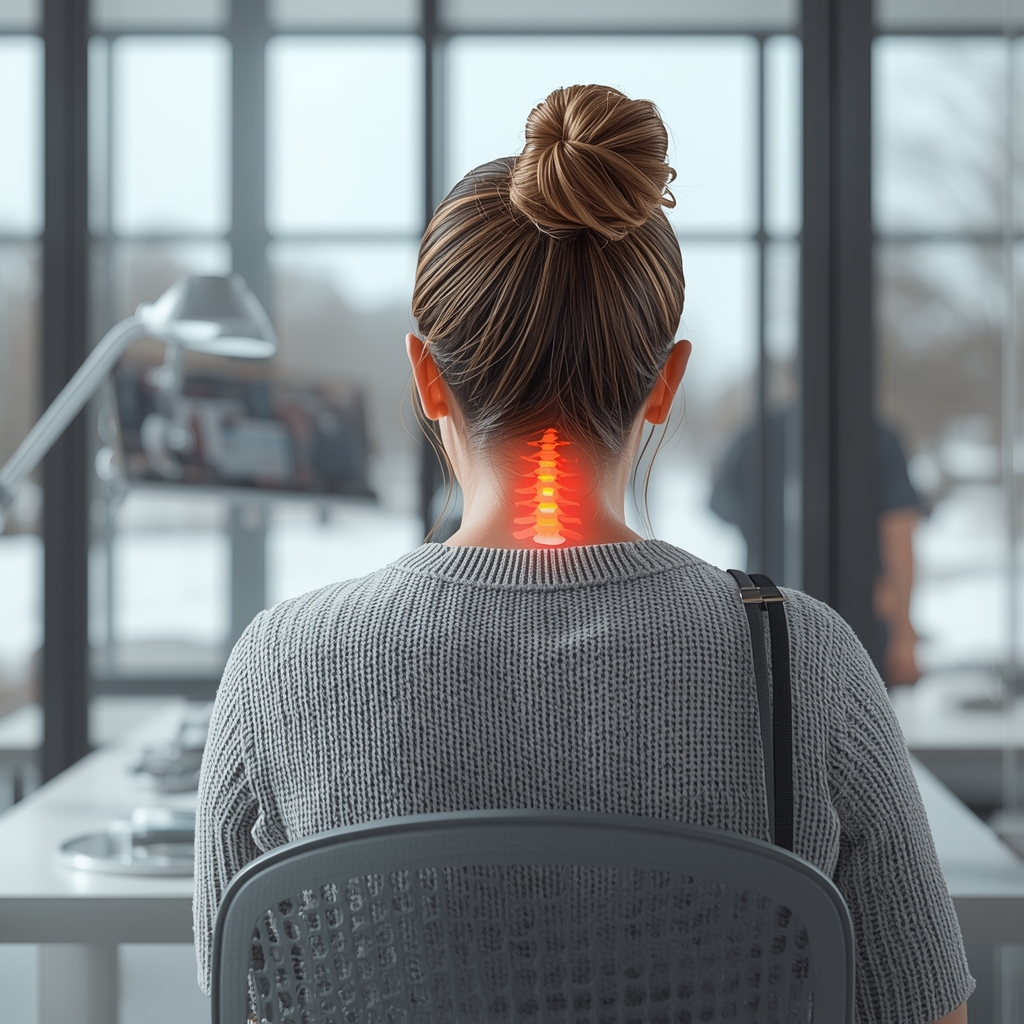
Winter holiday shopping and travel often involve prolonged periods of standing, carrying heavy bags, and navigating crowded spaces, all of which can strain the shoulders and neck. These activities may lead to poor posture, repetitive motions, and increased muscle tension, contributing to discomfort or injury. For example, carrying a heavy shopping bag on one side can create an imbalance, while looking down at a phone while walking may exacerbate tech neck. Recognizing these risks is the first step in adopting preventive strategies. By addressing ergonomic challenges proactively, individuals can reduce the likelihood of developing chronic pain or acute strain during the busy holiday season. Awareness of how daily routines impact the body’s alignment and movement patterns is essential for maintaining comfort and mobility.
Proper Bag Carrying Techniques
Carrying shopping bags improperly is a common cause of shoulder and neck strain. To minimize risk, distribute weight evenly by using both hands or a backpack instead of a single shoulder bag. If using a tote, alternate arms frequently to avoid overloading one side. Adjust the strap length so the bag rests close to the body, reducing the need to tilt the head or hunch the shoulders. For larger items, consider using a shopping cart or rolling suitcase to reduce physical load. These adjustments help maintain proper posture and reduce the risk of muscle imbalances. Additionally, taking regular breaks to stretch and shift positions can prevent fatigue. By prioritizing ergonomic bag-handling habits, individuals can protect their musculoskeletal health while managing holiday errands.
Maintaining Good Posture While Shopping
Maintaining proper posture during shopping trips is crucial for preventing neck and shoulder strain. Avoid slouching or hunching over while browsing shelves or checking prices. Keep the head aligned with the spine, and engage core muscles to support the upper body. When looking down at items, try to keep the screen at eye level to avoid tilting the head forward, which can strain the cervical spine. Walking with a relaxed, upright posture reduces unnecessary tension in the shoulders and upper back. If standing for long periods, shift weight between feet or sit on a bench periodically to relieve pressure. These simple adjustments help maintain spinal alignment and reduce the risk of discomfort. Incorporating mindful posture habits into daily routines can lead to long-term benefits for musculoskeletal health.
Using Technology Safely During Travel
Smartphones and other devices are essential during travel but can contribute to neck and shoulder strain if used improperly. Avoid looking down at screens for extended periods; instead, hold devices at eye level to maintain a neutral neck position. Use voice-to-text features or external keyboards to reduce the need to hunch over a phone. When using a laptop on a plane or train, adjust the screen height to match eye level, and use a stand or pillow for support. Taking frequent breaks to stretch and move can prevent stiffness from prolonged device use. Additionally, practicing ergonomic seating habits, such as keeping feet flat on the floor and supporting the lower back, enhances overall comfort. By integrating these strategies, travelers can minimize the risk of tech-related strain while staying connected during the holidays.
Stretching and Movement Breaks
Incorporating regular stretching and movement breaks into holiday activities can significantly reduce shoulder and neck strain. Simple exercises like shoulder rolls, neck stretches, and deep breathing help relieve tension and improve circulation. When shopping or traveling, take short walks to reset posture and prevent stiffness. If standing for long periods, shift weight between feet or perform calf raises to engage leg muscles and reduce lower body fatigue. Stretching the chest and upper back can counteract the effects of slouching, while gentle neck tilts and rotations promote flexibility. These practices not only prevent discomfort but also encourage mindful movement. By making stretching a routine part of holiday activities, individuals can maintain mobility and reduce the risk of musculoskeletal issues.
When to Seek Professional Help
If shoulder or neck strain persists despite preventive measures, consulting a chiropractor may be necessary. A chiropractor can assess posture, identify underlying issues, and recommend tailored strategies for relief. They may use adjustments, soft tissue therapy, or corrective exercises to address imbalances and promote healing. For individuals with pre-existing conditions or chronic pain, professional guidance ensures safe and effective care. Early intervention can prevent minor discomfort from escalating into more severe problems. Additionally, chiropractors can provide ergonomic advice specific to holiday activities, helping patients navigate the season with greater comfort. Prioritizing professional care when needed supports long-term musculoskeletal health and enhances overall well-being.














