
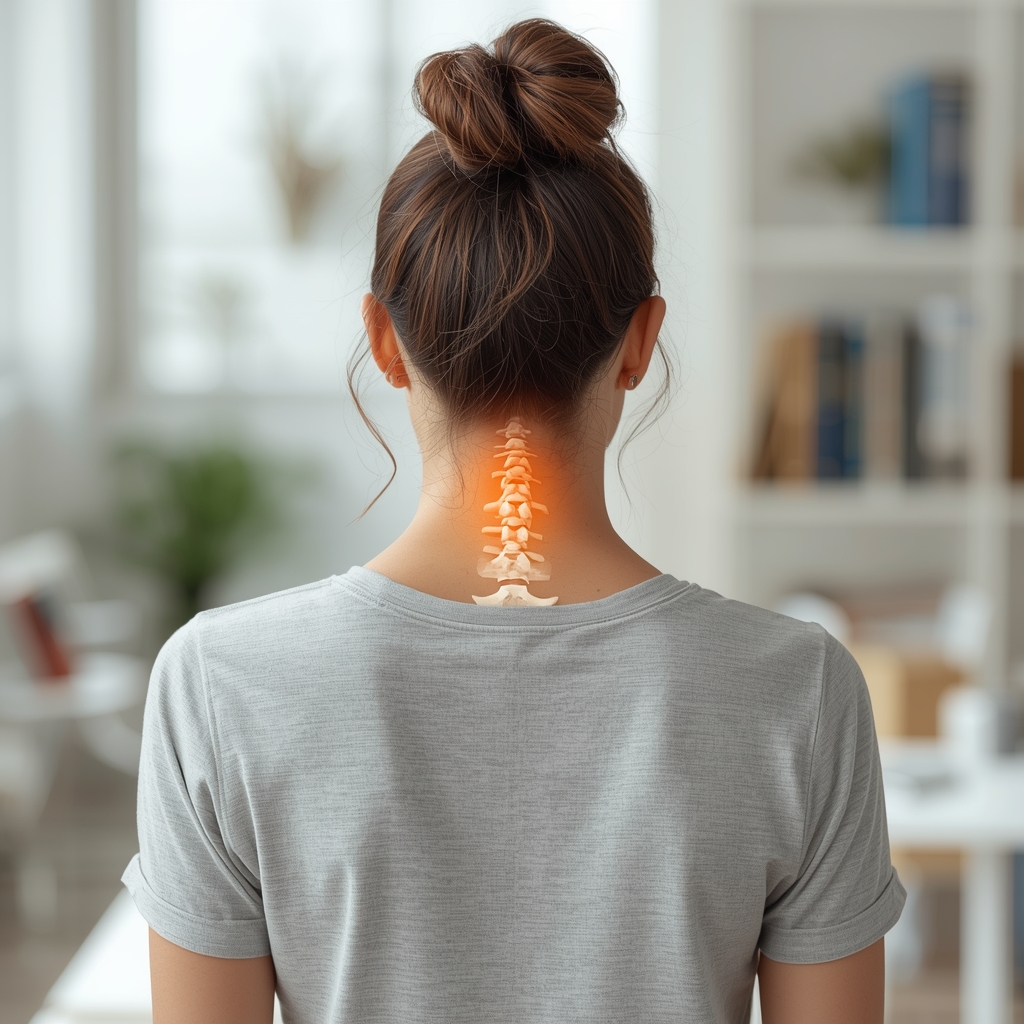
Holiday Season Strain Prevention: Why Shoulders and Necks Are at Risk
The holiday season brings joy, but it also increases the risk of musculoskeletal strain. Shoulder and neck injuries often occur during shopping, traveling, or lifting heavy items. Prolonged sitting, poor posture, and repetitive motions can lead to discomfort. Understanding these risks helps prioritize preventive measures. Chiropractors emphasize that maintaining proper body mechanics is key to avoiding pain. By addressing common holiday activities, individuals can reduce their chances of injury. This guide offers practical strategies to protect these vulnerable areas. Each tip focuses on reducing strain through mindful habits and proactive care.
1. Practice Proper Lifting Techniques
Lifting heavy bags, boxes, or holiday decorations can strain the neck and shoulders if done incorrectly. Always bend at the knees, not the waist, and keep the object close to your body. Avoid twisting your spine while lifting, as this increases pressure on the cervical and thoracic regions. Distribute weight evenly between both hands to prevent overloading one side. When carrying multiple items, use a shopping cart or backpack to reduce strain. For heavy objects, ask for assistance or use tools like dolly carts. These techniques minimize stress on the musculoskeletal system, preventing acute injuries. Regularly practicing these habits builds muscle memory for safer movements.
2. Adjust Your Shopping Cart Posture
Shopping carts are essential during the holidays but can contribute to poor posture. Adjust the handle height so your arms are slightly bent at the elbows when pushing. This reduces shoulder elevation and neck strain. Avoid hunching forward by keeping your back straight and engaging your core. If the cart is too tall or short, consider using a tote bag for lighter items. Take breaks to stretch your neck and shoulders if shopping for extended periods. Proper cart use supports natural spinal alignment, preventing cumulative strain. These small adjustments make a significant difference in comfort during long shopping trips.
3. Take Frequent Movement Breaks
Prolonged sitting or standing during travel or shopping increases the risk of stiffness. Set a timer to stand, stretch, or walk every 30 minutes. Simple neck rolls, shoulder shrugs, and upper back stretches alleviate tension. When driving, stop regularly to move your arms and legs, improving circulation. For those in airports or malls, use stairs instead of escalators to stay active. Movement prevents muscles from locking into painful positions. Chiropractors often recommend these practices to maintain flexibility and reduce the likelihood of strain. Incorporating short breaks into holiday routines promotes overall musculoskeletal health.
4. Stay Hydrated and Warm
Cold weather can tighten muscles and reduce flexibility, increasing injury risk. Stay hydrated to maintain muscle function and prevent cramps. Dress in layers to keep shoulders and neck warm, especially during outdoor activities. Avoid sudden movements in the cold, as stiff muscles are more prone to strain. When traveling, use a scarf or shawl to protect the neck from drafts. Hydration and warmth support muscle elasticity, making them less susceptible to injury. These precautions are simple but effective in maintaining comfort during the holiday rush.
5. Maintain Good Posture During Travel
Whether driving, flying, or taking public transport, poor posture strains the neck and shoulders. In vehicles, adjust the headrest to support the neck and keep the back straight. Avoid slouching by using a lumbar roll or cushion. When flying, stretch your arms and shoulders periodically to prevent stiffness. On trains or buses, sit upright with feet flat on the floor to avoid slouching. Chiropractors advise against leaning forward or backward for extended periods. Prioritizing posture during travel reduces the risk of developing chronic discomfort. These habits protect the spine and promote comfort during long journeys.
Consult a Chiropractor for Personalized Guidance
While these tips help prevent strain, individual needs vary. A chiropractor can assess your posture, movement patterns, and any existing conditions. They may recommend specific exercises or adjustments to address holiday-related stress. Regular checkups ensure early detection of potential issues. For those with pre-existing neck or shoulder pain, professional guidance is crucial. Chiropractors also provide advice on ergonomics and lifestyle adjustments. By working with a qualified provider, individuals can tailor prevention strategies to their unique circumstances. Proactive care is the best defense against holiday-related musculoskeletal injuries.














