
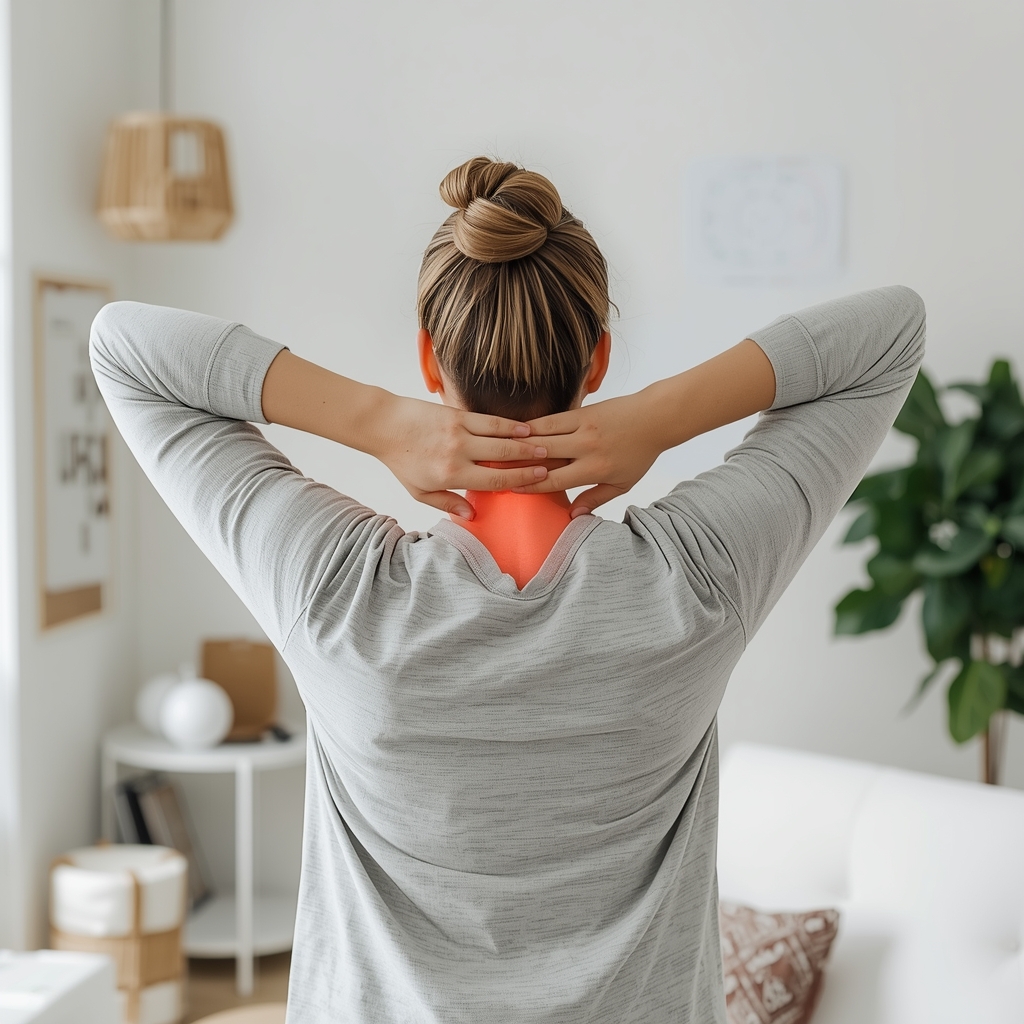
Understanding Holiday-Related Shoulder and Neck Strain
During family gatherings, prolonged sitting, repetitive movements, and poor posture often lead to shoulder and neck strain. Holiday tasks like cooking, lifting heavy objects, or hunching over tables can tighten muscles and compress nerves. The holiday season also brings stress, which may cause unconscious tension in the upper body. These factors combine to create discomfort that disrupts enjoyment. Recognizing the connection between daily activities and musculoskeletal strain is key to prevention. Simple stretching routines can alleviate tightness, improve circulation, and restore mobility. By addressing these issues proactively, individuals can maintain comfort throughout the season. Understanding the root causes of strain empowers people to take action before discomfort becomes chronic. Stretching is a low-risk, accessible solution that complements other wellness practices. It’s important to approach these routines with consistency and mindfulness to maximize benefits.
Common Causes of Strain During Family Gatherings
Several holiday-specific activities contribute to shoulder and neck strain. Sitting for extended periods at a dinner table or while wrapping gifts can lead to stiff shoulders and a forward-head posture. Lifting heavy items like turkey platters or holiday decorations strains the upper back and neck muscles. Repetitive motions, such as stirring, chopping, or cleaning, may cause overuse injuries. Poor ergonomics, like slouching while using devices, further exacerbate tension. Emotional stress during gatherings can also manifest physically, tightening muscles and reducing flexibility. These factors often go unnoticed until discomfort arises. The combination of physical exertion and mental pressure creates a perfect storm for musculoskeletal issues. Identifying these triggers helps individuals tailor their stretching routines to address specific risks. By acknowledging the unique challenges of holiday activities, readers can develop targeted strategies to protect their bodies. Awareness is the first step toward effective prevention.
Effective Stretching Routines for Shoulder and Neck Relief
Incorporating simple stretches into daily routines can significantly reduce holiday-related strain. Neck rolls, where the head is slowly tilted side to side and forward, help relieve tension in the cervical spine. Shoulder shrugs—lifting and lowering the shoulders repeatedly—target upper trapezius muscles that often tighten from stress. Arm circles, performed with arms extended, improve shoulder mobility and circulation. The chest opener stretch, achieved by clasping hands behind the back and lifting the chest, counteracts slouching. Wall angels, where the back is pressed against a wall while moving arms up and down, strengthen posture-supporting muscles. These stretches require minimal space and time, making them ideal for busy holiday schedules. Performing them regularly can prevent stiffness and promote relaxation. It’s essential to move slowly and avoid forcing any position to prevent injury. Combining these routines with mindful breathing enhances their effectiveness. Consistency, rather than intensity, is key to long-term relief.
When and How Often to Stretch During the Holidays
Timing is crucial for maximizing the benefits of stretching. Before engaging in holiday activities, a 5-minute warm-up of gentle movements prepares muscles for exertion. During gatherings, taking short breaks every 30-60 minutes to perform quick stretches prevents prolonged tension. For example, a few neck rolls or shoulder rolls while waiting for food can make a difference. After activities, a longer stretching session helps release built-up stress. Evening routines might include deeper stretches to unwind and improve sleep quality. The goal is to integrate stretching into natural pauses rather than adding extra tasks. Consistency matters more than duration—even 2-3 minutes of focused movement daily can yield results. Listening to the body’s signals is important; stretching should feel soothing, not painful. Combining these practices with hydration and rest supports overall musculoskeletal health. Regular stretching becomes a sustainable habit that enhances holiday comfort.
How Chiropractic Care Complements Stretching Routines
Chiropractic care offers a complementary approach to stretching by addressing underlying musculoskeletal imbalances. A chiropractor can assess posture, spinal alignment, and muscle tension to identify areas needing attention. Customized recommendations may include specific stretches or adjustments to relieve nerve pressure. For instance, if a patient experiences recurring neck strain, a chiropractor might suggest targeted exercises alongside spinal manipulations. This integrated approach ensures that stretching routines are tailored to individual needs. Chiropractors also provide guidance on ergonomics and lifestyle adjustments to prevent future strain. Regular check-ups can detect early signs of misalignment that stretching alone may not resolve. By working with a qualified provider, individuals gain a comprehensive strategy for maintaining mobility. Chiropractic care emphasizes proactive health management, making it an invaluable partner to daily stretching practices.
Additional Tips for Preventing Holiday Strain
Beyond stretching, several habits reduce holiday-related strain. Maintaining good posture while sitting or standing minimizes muscle fatigue. Using ergonomic tools, like supportive chairs or adjustable workspaces, supports proper alignment. Taking frequent breaks from screens or repetitive tasks prevents overuse. Staying hydrated and eating balanced meals maintains energy levels and muscle function. Light physical activity, such as walking or yoga, complements stretching routines. Avoiding heavy lifting or seeking help for tasks that strain the back is wise. Managing stress through mindfulness or deep breathing reduces physical tension. Prioritizing rest and sleep allows the body to recover. Combining these practices with stretching creates a holistic approach to holiday wellness. By adopting these strategies, individuals can enjoy gatherings with greater comfort and vitality.












