
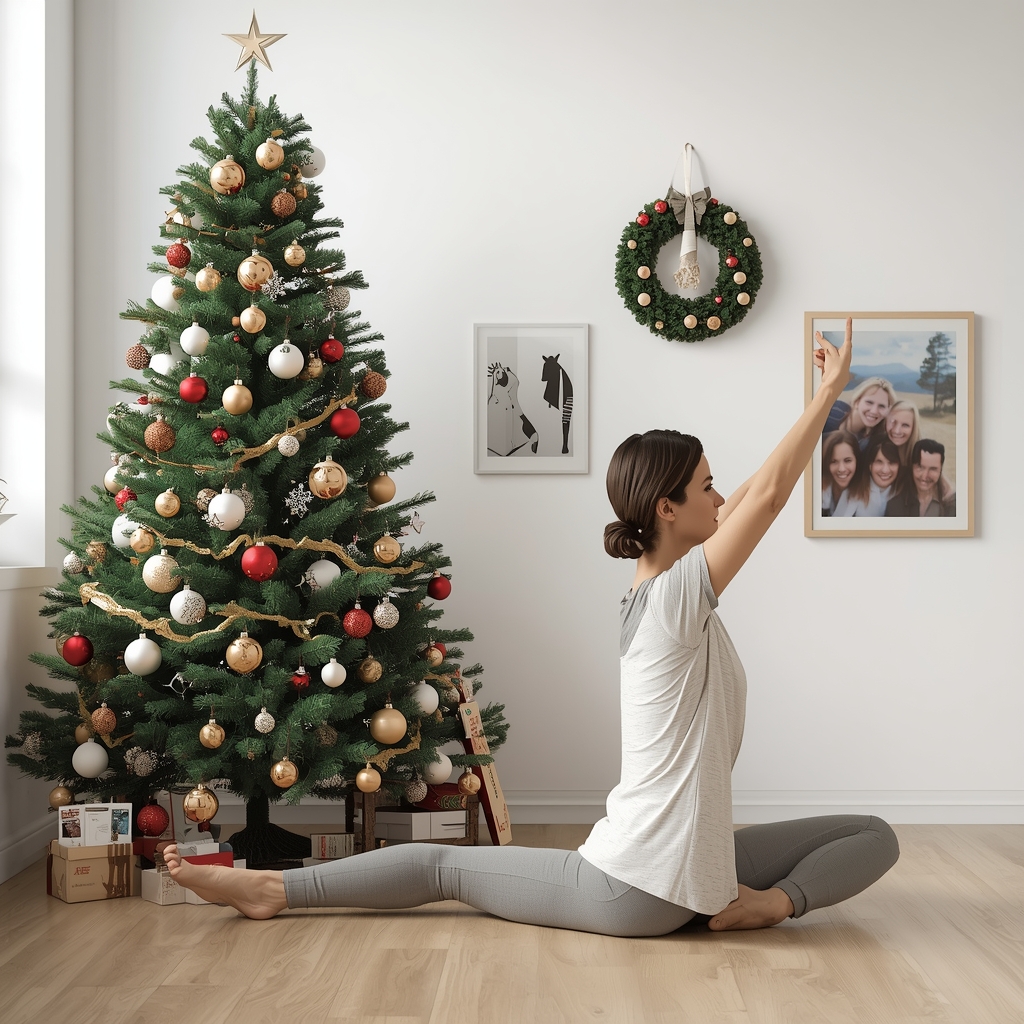
Introduction: The Importance of Stretching During Holiday Activities
During the holiday season, activities like decorating, traveling, and hosting gatherings often involve sudden movements, heavy lifting, or prolonged postures that can strain muscles and joints. Simple stretching routines can help prepare the body for these demands, improving flexibility and reducing injury risk. While general exercise guidelines exist, holiday-specific stretches address unique challenges, such as reaching high places, bending to wrap gifts, or sitting for long car rides. Incorporating these routines into daily habits can enhance mobility and support overall well-being. Always consult a chiropractor or healthcare provider to tailor routines to individual needs, ensuring safety and effectiveness.
Upper Body Stretches for Decorating and Lifting
Decorating often requires reaching, lifting, and twisting, which can strain the shoulders, arms, and upper back. A simple shoulder stretch involves raising one arm across the chest and gently pulling it with the opposite hand, holding for 15–30 seconds. For the upper back, the seated twist—sitting upright, twisting the torso to one side while keeping the hips still—can relieve tension. These stretches improve range of motion, making tasks like hanging lights or moving furniture easier. They also help prevent strains from repetitive motions. Regular practice can maintain flexibility, especially for those with sedentary lifestyles or limited physical activity during the holidays.
Lower Body Stretches for Travel and Standing
Traveling and holiday events often involve long periods of standing, walking, or sitting, which can lead to leg and hip stiffness. The calf stretch, done by placing one foot behind and pressing the heel into the floor, eases tension in the lower legs. A hip flexor stretch—kneeling on one knee with the other foot forward—helps counteract tightness from prolonged sitting. These routines support joint health and reduce the risk of cramps or strains. They are particularly useful for those navigating crowded airports, shopping malls, or holiday markets. Incorporating these stretches into daily breaks can enhance comfort and mobility during busy seasons.
Core Stretches for Posture and Balance
A strong core is essential for maintaining balance and supporting the spine during holiday activities. The cat-cow stretch, performed on hands and knees, gently mobilizes the spine and engages core muscles. The child’s pose, where the body is folded forward with arms extended, stretches the lower back and promotes relaxation. These exercises improve posture, which is crucial when lifting heavy objects or sitting for extended periods. They also help prevent lower back pain, a common issue during the holidays. Practicing these stretches regularly can enhance stability, making it easier to handle physical demands without strain.
Neck and Shoulder Stretches for Long Drives
Long car trips often involve hunching over the steering wheel, leading to neck and shoulder stiffness. The neck tilt, where one ear is gently lowered toward the shoulder, relieves tension in the sides of the neck. The shoulder roll—moving the shoulders in a circular motion—reduces rigidity from poor posture. These stretches improve blood flow and reduce discomfort from prolonged sitting. They are especially beneficial for drivers and passengers alike, helping to maintain alertness and comfort. Adding these routines to pre-trip or mid-journey breaks can prevent aches and support overall well-being during travel.
Cool-Down Routines and Consistency Tips
After engaging in holiday activities, a cool-down routine helps the body transition back to rest. Gentle walking, deep breathing, and static stretches like the hamstring stretch—reaching toward the toes while sitting—promote recovery. Consistency is key; even 5–10 minutes of daily stretching can build resilience over time. Pairing routines with hydration and rest supports overall health. While these stretches are generally safe, individuals with pre-existing conditions should seek guidance from a chiropractor. By making stretching a holiday habit, people can enjoy festivities with greater ease and reduced risk of injury.













