
Posture Tips for Holiday Cooking
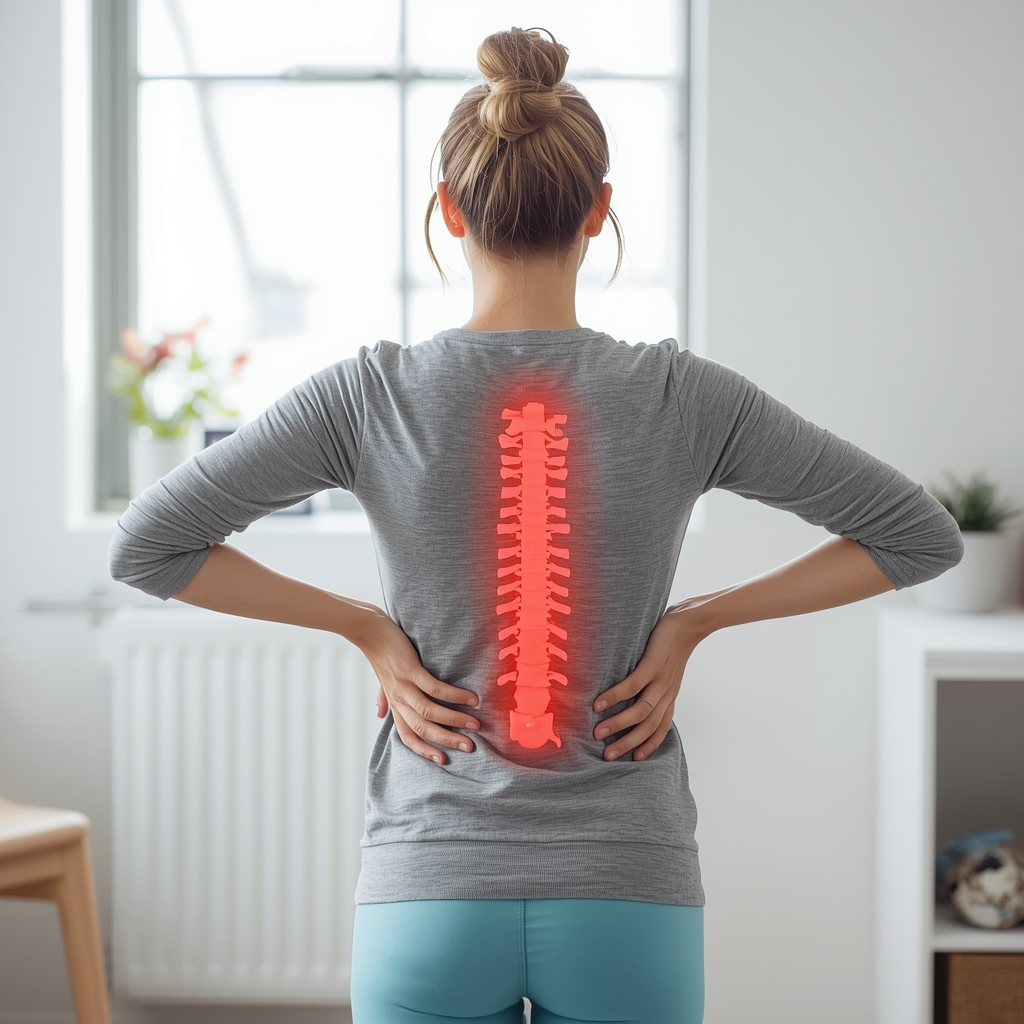
During the holidays, cooking often involves repetitive motions and prolonged standing, which can strain the back. Maintaining proper posture is key. Stand with feet shoulder-width apart to distribute weight evenly, and avoid locking your knees. When chopping or stirring, keep your back straight and engage your core muscles for support. If using a counter, adjust its height to avoid hunching over. Take breaks to shift positions, and consider using a stool for tasks that require standing for long periods. Avoid bending at the waist to pick up items—instead, bend your knees and lift with your legs. These simple adjustments can reduce pressure on the spine and prevent discomfort during extended cooking sessions.
Stretching Routines to Alleviate Back Strain
Incorporating gentle stretches into your holiday routine can ease back tension caused by cooking and travel. Start with neck rolls to release stiffness, moving your head in slow, circular motions. Shoulder stretches, such as crossing one arm across your chest, can relieve upper back tightness. For the lower back, try the cat-cow stretch: alternate between arching and rounding your spine while on all fours. When traveling, stretch your legs by standing and lifting one knee toward your chest, then switching sides. Ankle circles and toe stretches can improve circulation during long drives. Perform these routines daily, especially after sitting for extended periods, to maintain flexibility and reduce the risk of back pain.
Ergonomic Kitchen Adjustments for Back Health
Creating an ergonomic kitchen setup can significantly reduce back strain during holiday cooking. Ensure countertops are at a height that allows your elbows to bend at a 90-degree angle when working. Use a step stool for high shelves to avoid overreaching, which can twist the spine. Invest in a comfortable, supportive chair for tasks like sorting ingredients or washing dishes. When lifting heavy items, keep them close to your body and use your legs, not your back, to lift. Regularly reorganize your workspace to minimize bending and twisting. These adjustments promote better body mechanics, reducing the likelihood of back pain from repetitive or awkward movements.
Travel Tips to Protect Your Back
Long trips during the holidays often involve sitting for hours, which can lead to back discomfort. When driving, adjust your seat so your back is fully supported, and use a lumbar roll or small pillow to maintain the natural curve of your spine. Take frequent breaks to walk around and stretch, especially on road trips. For air travel, choose an aisle seat to access the aisle easily and avoid slouching. Use a neck pillow to support your head and prevent strain. When flying, stand and stretch your legs periodically to improve circulation. These strategies help maintain spinal alignment and reduce the risk of back pain from prolonged sitting.
Proper Lifting Techniques for Holiday Tasks
Lifting heavy objects, such as grocery bags or holiday decorations, requires careful technique to protect your back. Always bend at your knees, not your waist, and keep the object close to your body while lifting. Engage your core muscles for stability, and avoid twisting your spine as you lift. If an item is too heavy, ask for help or use a dolly. When carrying items, distribute the weight evenly between both hands. For repetitive lifting tasks, take short breaks to rest your back. These practices minimize stress on the spine and reduce the risk of injury during holiday activities.
Maintaining Posture During Social Gatherings
During holiday gatherings, it's easy to slouch while sitting or stand for long periods, leading to back pain. Choose chairs with good lumbar support, and avoid sitting with your feet dangling. If standing, shift your weight from one foot to the other periodically to prevent stiffness. Keep your shoulders relaxed and your head aligned with your spine, avoiding forward head posture. If you notice discomfort, take a short walk or perform a quick stretch. These habits help maintain spinal alignment and reduce strain during extended social events. Always consult a chiropractor for personalized advice on posture and movement strategies.













