
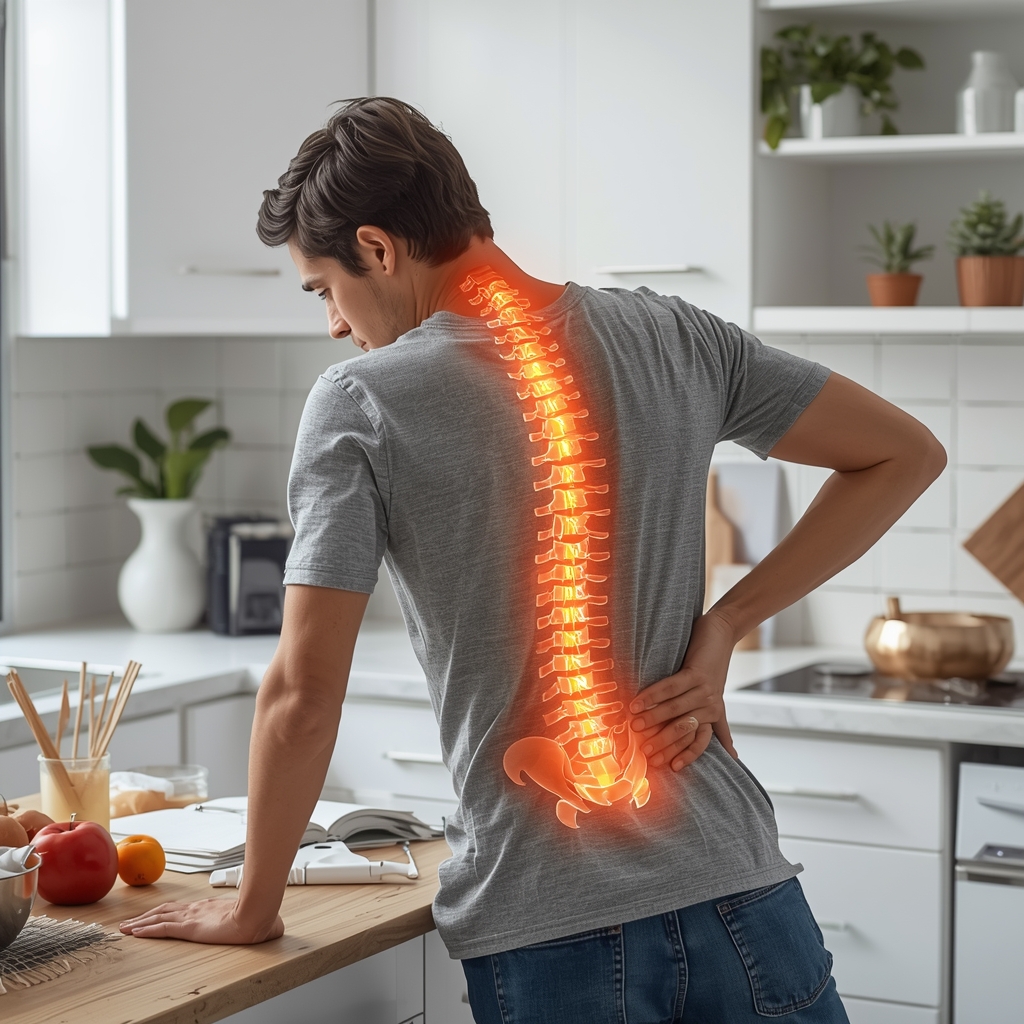
Proper Lifting Techniques for Holiday Tasks
During holiday cooking and cleaning, lifting heavy objects like turkey platters or boxes requires mindful technique. Always bend at the knees, not the waist, to engage leg muscles rather than straining the back. Keep the object close to your body and avoid twisting while lifting. If an item is too heavy, ask for help or use tools like dolly carts. These habits reduce pressure on spinal discs and prevent acute injuries. Chiropractors often emphasize that consistent practice of these methods helps build muscle memory, making them second nature during busy seasons. Remember, even small adjustments in lifting form can significantly lower the risk of back strain.
Ergonomic Adjustments for Kitchen Workspaces
Creating an ergonomic kitchen setup minimizes repetitive stress on the back. Adjust counter heights to avoid excessive bending or reaching, and use a step stool for high shelves. Place frequently used items within easy reach to prevent overreaching. When cleaning, use a lightweight broom with an adjustable handle and take breaks to stretch. Chiropractors recommend alternating tasks to avoid prolonged static postures, which can lead to muscle fatigue. Simple changes like anti-fatigue mats or supportive chairs also help. By optimizing your workspace, you reduce unnecessary strain and maintain better posture throughout holiday activities.
Strengthening Core Muscles for Spinal Support
A strong core provides essential support for the spine, especially during physically demanding tasks. Incorporate exercises like planks, bridges, or yoga into your routine to build stability. These movements target the abdominal and lower back muscles, improving overall posture and reducing injury risk. Chiropractors often suggest gentle daily stretches to maintain flexibility, which complements strength training. For those with existing back issues, working with a professional to tailor exercises is advisable. Strengthening the core isn’t just about physical fitness—it’s a proactive step toward long-term spinal health, particularly during high-risk periods like the holidays.
Maintaining Good Posture During Household Chores
Slouching or hunching over while cooking, cleaning, or decorating adds unnecessary pressure to the spine. Maintain a neutral spine by aligning your ears, shoulders, and hips. Avoid locking your knees when standing and shift weight between feet to reduce strain. When sitting, use a chair with lumbar support and keep feet flat on the floor. Chiropractors note that poor posture during repetitive tasks can lead to chronic discomfort. Regularly check your alignment and use reminders, like a posture brace, to reinforce proper habits. Small posture adjustments throughout the day prevent cumulative strain on the back.
Stretching and Warm-Up Routines Before Tasks
Before diving into holiday activities, spend 5–10 minutes on dynamic stretches to prepare muscles and joints. Focus on the back, shoulders, and legs with movements like torso twists, arm circles, or leg swings. Warming up increases blood flow and flexibility, reducing the risk of sudden injuries. Chiropractors often recommend incorporating gentle yoga poses, such as child’s pose or cat-cow, to ease tension. Even short stretching sessions can make a difference. Pair these routines with hydration and light snacks to maintain energy levels, ensuring you stay alert and physically prepared for demanding tasks.
Consulting a Chiropractor for Personalized Guidance
Every individual’s body responds differently to physical demands, making personalized advice valuable. A chiropractor can assess your posture, movement patterns, and any existing issues to create a tailored prevention plan. They may suggest specific exercises, adjustments, or ergonomic recommendations based on your needs. Regular check-ups during the holidays can identify early signs of strain and address them before they worsen. While general tips are helpful, a professional’s insight ensures you’re taking the most effective steps for your unique situation. Prioritizing this consultation supports long-term musculoskeletal health.














