
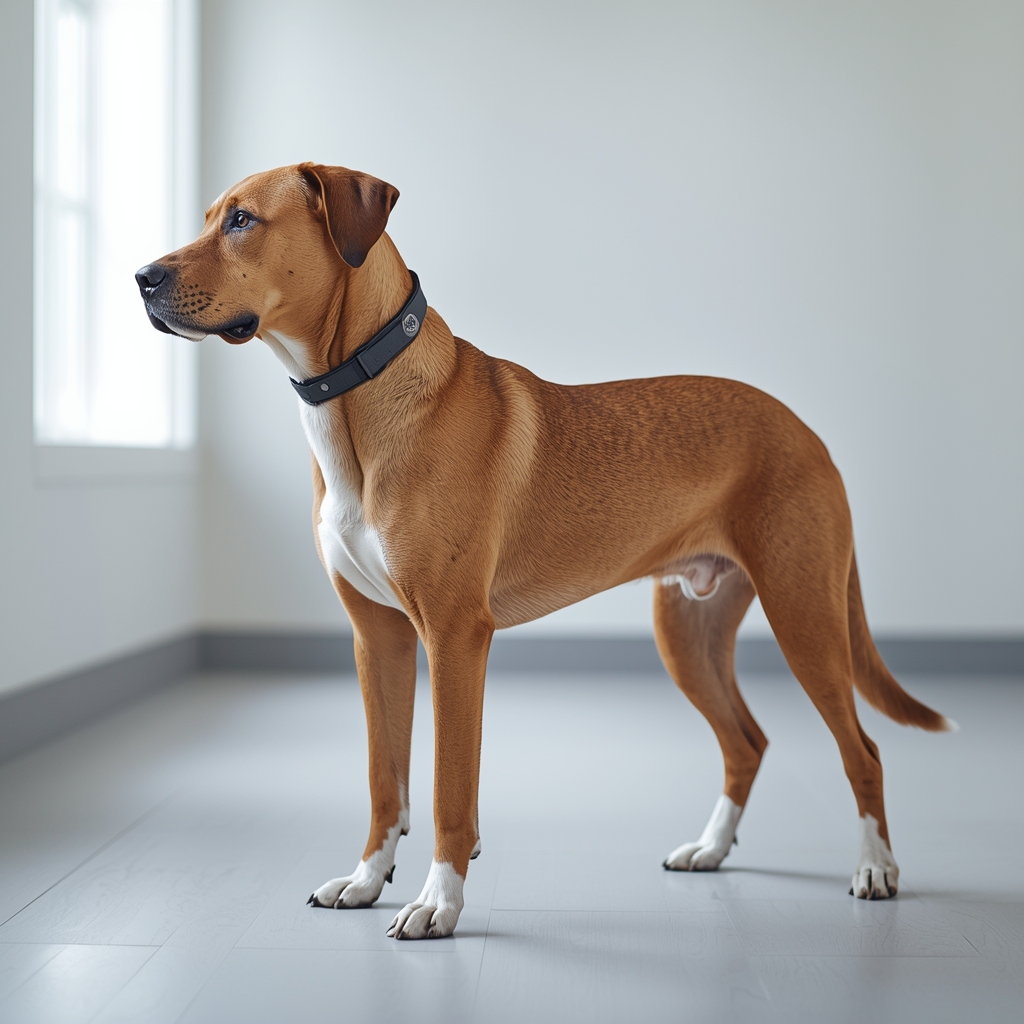
Understanding Hip Dysplasia in Large Dogs
Hip dysplasia is a common orthopedic condition affecting large dog breeds, characterized by abnormal development of the hip joint. This condition often leads to joint instability, pain, and progressive degeneration, significantly impacting mobility. For chiropractors, addressing hip dysplasia in large dogs presents unique challenges due to the size, weight, and anatomical complexity of these animals. Unlike smaller pets or human patients, large dogs require careful consideration of their musculoskeletal structure, which can make traditional chiropractic techniques less straightforward. The condition’s chronic nature also means that treatment plans must balance immediate symptom relief with long-term management strategies. Chiropractors working with these patients must collaborate closely with veterinary professionals to ensure safe and effective care, as improper adjustments could exacerbate existing joint issues. Understanding the interplay between hip dysplasia and spinal health is critical, as misalignments in the lower back or pelvis can further complicate the dog’s gait and overall comfort.
Anatomical and Physiological Differences
Large dogs have distinct anatomical features that influence chiropractic care, including larger bone structures, greater muscle mass, and higher joint stress loads. These factors necessitate modified adjustment techniques, as standard human or small-animal methods may lack the precision or force required. For example, the hip joint in large dogs is deeper and more complex, making it harder to assess and manipulate without specialized training. Additionally, the weight-bearing demands on their spine and pelvis increase the risk of compensatory misalignments, which can worsen hip dysplasia symptoms. Chiropractors must also account for the dog’s overall body mechanics, as imbalances in the hind limbs can create ripple effects throughout the musculoskeletal system. These challenges highlight the importance of veterinary chiropractors who are trained in animal-specific techniques, ensuring adjustments are both safe and effective. Without this expertise, the risk of injury or ineffective treatment rises, underscoring the need for a tailored approach to each patient’s unique physiology.
Diagnostic Challenges and Collaboration
Diagnosing and treating hip dysplasia in large dogs requires a multidisciplinary approach, as traditional chiropractic assessments may not fully capture the extent of joint and soft-tissue involvement. Radiographs, gait analysis, and physical exams are often necessary to evaluate the condition’s severity, but these tools must be interpreted alongside chiropractic findings. Chiropractors may struggle to identify subtle misalignments or compensatory patterns that contribute to the dog’s discomfort, especially when combined with pre-existing degenerative changes. This complexity underscores the importance of collaboration with veterinarians, who can provide critical insights into the dog’s overall health and any underlying conditions. Furthermore, large dogs may be less cooperative during exams, making it harder to perform accurate evaluations. To address this, chiropractors often rely on gentle, non-invasive techniques and build trust with the animal over time. Such collaborative efforts ensure a comprehensive understanding of the dog’s needs, enabling more effective treatment strategies that prioritize both comfort and long-term mobility.
Adapting Chiropractic Techniques for Large Dogs
Chiropractic adjustments for large dogs with hip dysplasia require specialized techniques that account for their size, strength, and sensitivity. Traditional high-velocity, low-amplitude adjustments used in human care may not be suitable, as they could cause discomfort or injury. Instead, chiropractors often employ lower-force methods, such as mobilization or soft-tissue therapies, to address misalignments without excessive pressure. The use of supportive equipment, like padded tables or harnesses, can also enhance the dog’s comfort during sessions. Additionally, the focus shifts from rapid corrections to gradual, sustained improvements, as large dogs may require more time to adapt to adjustments. Chiropractors must also consider the dog’s pain levels, as hip dysplasia can make even gentle manipulations challenging. This may involve incorporating complementary therapies, such as cold laser treatment or acupuncture, to reduce inflammation and improve outcomes. By tailoring their approach to the dog’s specific needs, chiropractors can provide safer, more effective care that supports long-term joint health and mobility.
Patient Cooperation and Handling Considerations
Large dogs with hip dysplasia often face challenges related to cooperation and handling during chiropractic sessions, which can impact the effectiveness of treatment. Their size and potential discomfort may make them more reactive or resistant to being manipulated, requiring patience and specialized handling techniques. Chiropractors must create a calm, stress-free environment to help the dog feel secure, which may involve gradual desensitization or the use of positive reinforcement. Owners play a crucial role in this process, as their presence and familiarity can help reduce the dog’s anxiety. However, even with these efforts, some dogs may require sedation or restraint for certain procedures, which must be carefully managed in collaboration with a veterinarian. Additionally, the dog’s gait and movement patterns must be closely observed during and after adjustments to ensure the techniques are not causing additional strain. These considerations highlight the need for a compassionate, individualized approach that prioritizes the dog’s comfort and well-being throughout the care process.
Long-Term Management and Prognosis
Managing hip dysplasia in large dogs through chiropractic care is typically a long-term commitment, requiring consistent monitoring and adjustments to address evolving needs. While chiropractic interventions can alleviate pain and improve mobility, they are most effective when integrated with other treatments, such as physical therapy, weight management, and veterinary-approved medications. Regular follow-up sessions allow chiropractors to track progress and make necessary adjustments to the care plan, ensuring sustained benefits. However, the prognosis varies depending on the severity of the condition, the dog’s overall health, and the consistency of treatment. In some cases, chiropractic care may help delay the need for surgical intervention, while in others, it serves as a complementary therapy alongside medical management. Owners must be prepared for ongoing care and vigilant in observing their dog’s behavior and mobility. By maintaining open communication with both the chiropractor and veterinarian, pet owners can help optimize their dog’s quality of life and ensure that chiropractic care remains a safe and valuable component of their treatment strategy.














