
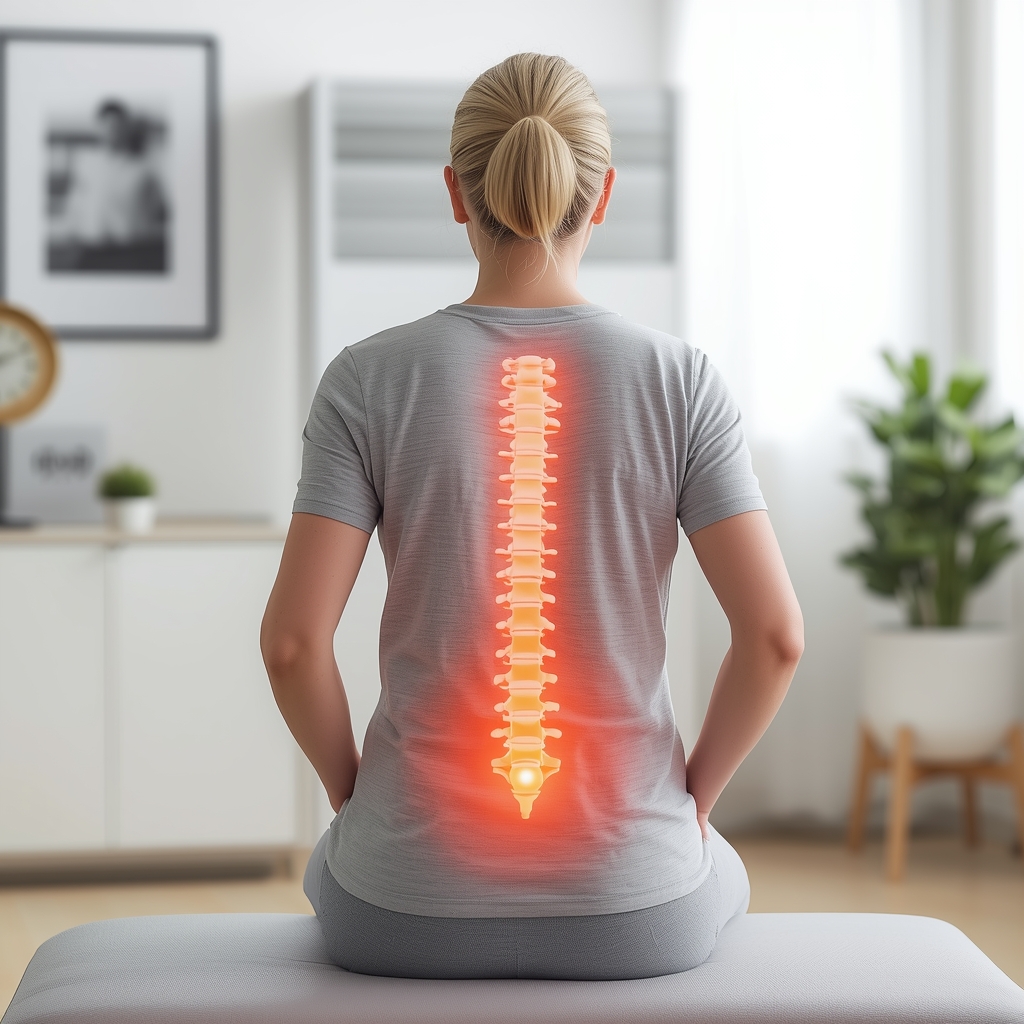
Understanding Osteoporosis and Fall Risks in Seniors
Osteoporosis weakens bones, increasing fracture risks, while balance and mobility declines with age raise fall probabilities. For seniors, even minor falls can lead to severe injuries like hip fractures, which often reduce independence. Chiropractic care can play a role in mitigating these risks by addressing musculoskeletal imbalances and improving functional stability. However, techniques must prioritize gentleness to avoid harm. A qualified chiropractor evaluates each patient’s unique needs, ensuring adjustments and therapies align with their bone density and overall health. This personalized approach helps maintain mobility without compromising safety, making chiropractic care a viable option for fall prevention in older adults.
Gentle Spinal Adjustments for Bone Health
Traditional high-velocity spinal manipulations are generally avoided for seniors with osteoporosis due to fracture risks. Instead, chiropractors often use low-force techniques like the diversified or drop table method, which apply minimal pressure to realign the spine. These adjustments can relieve nerve pressure, improve posture, and enhance joint function without stressing fragile bones. By reducing spinal misalignments, they may also alleviate pain that could otherwise limit movement and increase fall risks. Patients often report improved comfort and flexibility after these gentle sessions, supporting safer daily activities. Always ensure the chiropractor has experience working with osteoporosis patients to tailor the approach effectively.
Soft Tissue Therapies for Muscle Support
Soft tissue therapies, such as myofascial release or trigger point therapy, can strengthen muscles around weakened bones, providing better joint stability. Osteoporosis often coexists with muscle atrophy, which exacerbates balance issues. These techniques target tight or painful muscles, improving circulation and reducing stiffness that might contribute to falls. For example, addressing tight hip flexors or hamstrings can enhance gait patterns and reduce tripping risks. Chiropractors may also use instruments like the Graston Technique to break up scar tissue, promoting mobility. When combined with spinal care, soft tissue work supports overall musculoskeletal health, helping seniors maintain independence and confidence in movement.
Corrective Exercises for Balance and Strength
Chiropractors often prescribe low-impact corrective exercises to build core strength, improve balance, and enhance proprioception—the body’s ability to sense movement. Exercises like tai chi, heel-to-toe walks, or resistance band routines are commonly recommended. These activities strengthen stabilizing muscles, reducing fall risks while being gentle on bones. For example, tai chi’s slow, controlled movements improve flexibility and coordination, which are critical for preventing falls. Chiropractors may also guide patients in home-based routines to reinforce gains from in-office treatments. Regular practice can lead to lasting improvements in mobility, making daily tasks safer and more manageable for seniors with osteoporosis.
How Chiropractic Care Reduces Fall Risks
By addressing musculoskeletal imbalances, chiropractic care helps seniors maintain better posture, gait, and joint function—key factors in fall prevention. For instance, correcting spinal misalignments can ease nerve irritation that causes muscle spasms or weakness, which might lead to instability. Improved joint mobility also allows for more natural movement patterns, reducing the likelihood of tripping. Additionally, pain relief from chiropractic interventions encourages greater physical activity, which strengthens muscles and improves coordination. These cumulative benefits create a safer environment for seniors, enabling them to move with more confidence and less fear of injury.
Working With a Qualified Chiropractor
Seniors considering chiropractic care for osteoporosis should seek practitioners experienced in geriatric care and bone health. A thorough initial assessment, including medical history and imaging if needed, ensures treatments are safe and effective. Open communication about symptoms, medications, and fall history is crucial for tailoring care plans. Patients should ask about the chiropractor’s approach to osteoporosis and request references or reviews from other seniors. Regular follow-ups allow adjustments to the care plan as needs evolve. By partnering with a knowledgeable provider, seniors can safely harness chiropractic benefits to enhance mobility, reduce fall risks, and maintain quality of life.












