
Understanding the Risk of Falls in Elderly Patients with Osteoporosis
Falls are a significant concern for older adults, particularly those with osteoporosis, a condition that weakens bones and increases fracture risk. As balance and mobility decline with age, even minor falls can lead to serious injuries like hip fractures or spinal compression. Osteoporosis exacerbates this vulnerability by reducing bone density, making the skeletal system more fragile. Preventive strategies are crucial to maintaining independence and quality of life. Chiropractic care, focusing on spinal health and musculoskeletal function, offers potential tools to address these challenges. By improving alignment and nerve function, chiropractic interventions may support stability and reduce fall risk, but they should always be part of a broader, personalized plan discussed with healthcare providers.
How Spinal Adjustments May Improve Stability
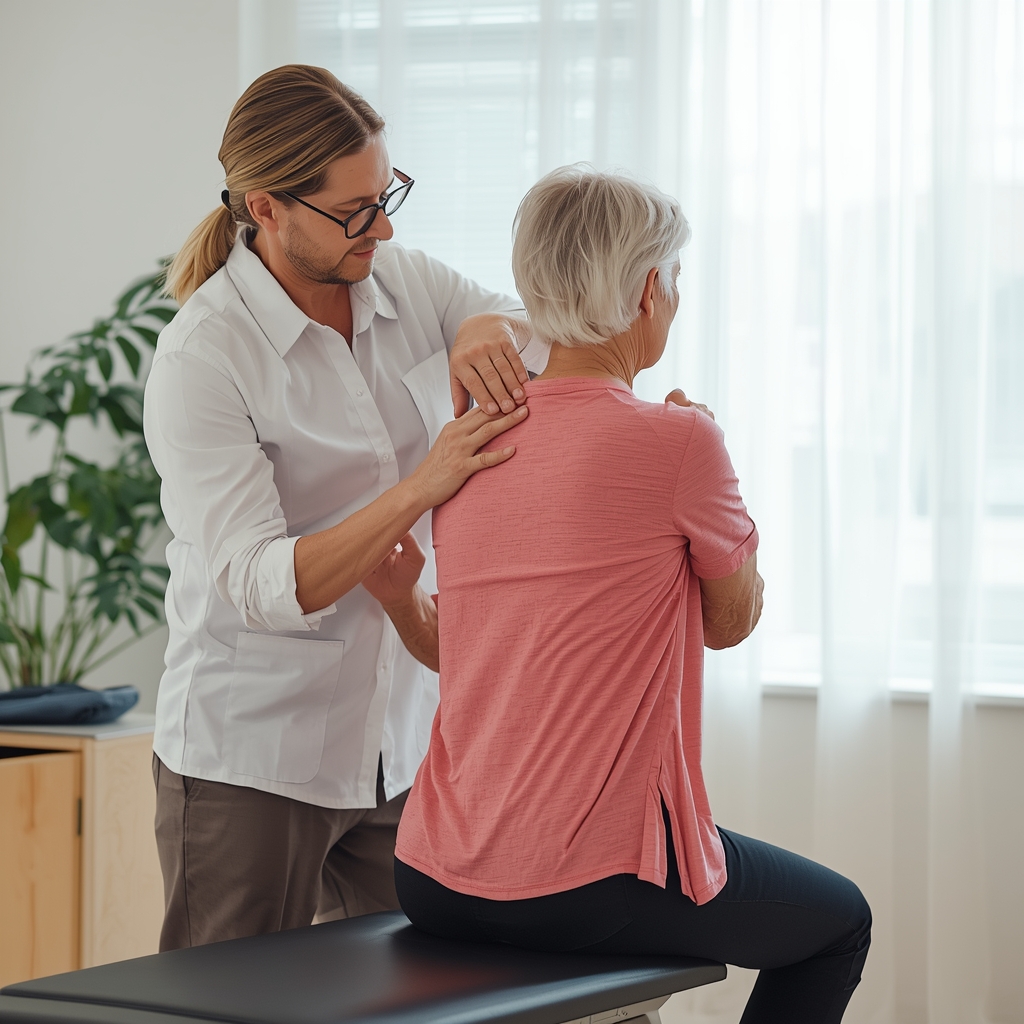
Spinal adjustments, a core component of chiropractic care, aim to correct misalignments (subluxations) that may impair nervous system function and musculoskeletal efficiency. For elderly patients with osteoporosis, proper spinal alignment can enhance posture, reduce pain, and improve overall body mechanics. A well-aligned spine supports better balance by ensuring even weight distribution and optimal muscle engagement. Chiropractors may use gentle techniques tailored to older adults, avoiding high-velocity manipulations that could stress fragile bones. While research on direct fall prevention is limited, many practitioners observe that improved spinal function contributes to greater mobility and confidence in movement, which are key factors in reducing fall risk.
The Role of Balance Exercises in Fall Prevention
Balance exercises are widely recommended for older adults to strengthen muscles, improve coordination, and enhance proprioception (the body’s ability to sense position). For those with osteoporosis, these exercises can be especially beneficial when combined with chiropractic care. Simple routines like tai chi, heel-to-toe walks, or single-leg stands can build stability and reduce the likelihood of falls. Chiropractors often collaborate with physical therapists to design safe, effective programs that account for individual limitations. By addressing muscle weakness and joint stiffness, balance training complements spinal adjustments, creating a holistic approach to fall prevention. However, it’s essential to start slowly and consult a healthcare professional to ensure exercises are appropriate for the patient’s specific condition and mobility level.
Combining Spinal Adjustments and Balance Training
Integrating spinal adjustments with targeted balance exercises may offer a synergistic effect in fall prevention. Spinal adjustments can alleviate nerve interference, promoting better communication between the brain and muscles, while balance exercises strengthen the musculature that supports posture and movement. This dual approach may help elderly patients with osteoporosis maintain independence and reduce injury risk. Chiropractors often assess each patient’s needs to create a customized plan, considering factors like bone density, existing pain, and mobility restrictions. While no single intervention guarantees fall prevention, combining these strategies aligns with a proactive, patient-centered model of care. Open communication with healthcare providers ensures that all aspects of the patient’s health are addressed safely and effectively.
Safety Considerations for Elderly Patients
When addressing fall prevention in elderly patients with osteoporosis, safety is paramount. Spinal adjustments must be performed with care to avoid excessive force that could compromise weakened bones. Chiropractors typically use gentle techniques, such as low-force or mobilization methods, to minimize risk. Similarly, balance exercises should be tailored to the individual’s capabilities, avoiding movements that could lead to injury. Patients should always inform their chiropractor about their osteoporosis diagnosis and any previous fractures or medical conditions. Regular monitoring and adjustments to the care plan ensure ongoing safety as the patient’s needs evolve. By prioritizing caution and personalization, chiropractic care can play a supportive role in maintaining mobility and reducing fall-related complications.
Consulting a Chiropractor for Personalized Care
Each elderly patient’s needs are unique, especially when osteoporosis is involved. A chiropractor can evaluate spinal health, movement patterns, and overall musculoskeletal function to develop a tailored fall prevention strategy. This may include a combination of adjustments, balance exercises, and lifestyle recommendations. Open dialogue between the patient and chiropractor is essential to address concerns, track progress, and make necessary adjustments to the care plan. While chiropractic care is not a standalone solution, it can be a valuable component of a comprehensive approach to maintaining mobility and safety. Patients should always seek guidance from licensed professionals and coordinate care with other healthcare providers to ensure the best outcomes.












