
Understanding Fall Risk in Senior Patients
Fall risk in seniors often stems from a combination of age-related physical changes, chronic conditions, and environmental hazards. Balance issues may arise from muscle weakness, reduced proprioception, or neurological declines, increasing the likelihood of falls. While osteoporosis is a common concern, fall prevention requires a broader approach addressing mobility, posture, and environmental factors. Chiropractic care plays a role in mitigating these risks by focusing on spinal alignment and musculoskeletal function. By integrating ergonomic modifications and targeted adjustments, seniors can improve stability and reduce injury risk. This article explores practical strategies to enhance balance and safety for older adults.
Ergonomic Modifications for Safer Living Spaces
Creating a fall-resistant environment starts with ergonomic adjustments. Simple changes like installing grab bars in bathrooms, removing tripping hazards, and ensuring adequate lighting can significantly reduce risks. Non-slip mats, raised toilet seats, and adjustable furniture further support mobility. Proper footwear with non-slip soles and good arch support is critical for stability. Additionally, arranging frequently used items within easy reach minimizes the need for bending or stretching. These modifications, combined with regular physical activity, help seniors maintain independence. Chiropractors often collaborate with occupational therapists to tailor these adjustments to individual needs, ensuring both comfort and safety in daily routines.
The Role of Spinal Adjustments in Balance Improvement
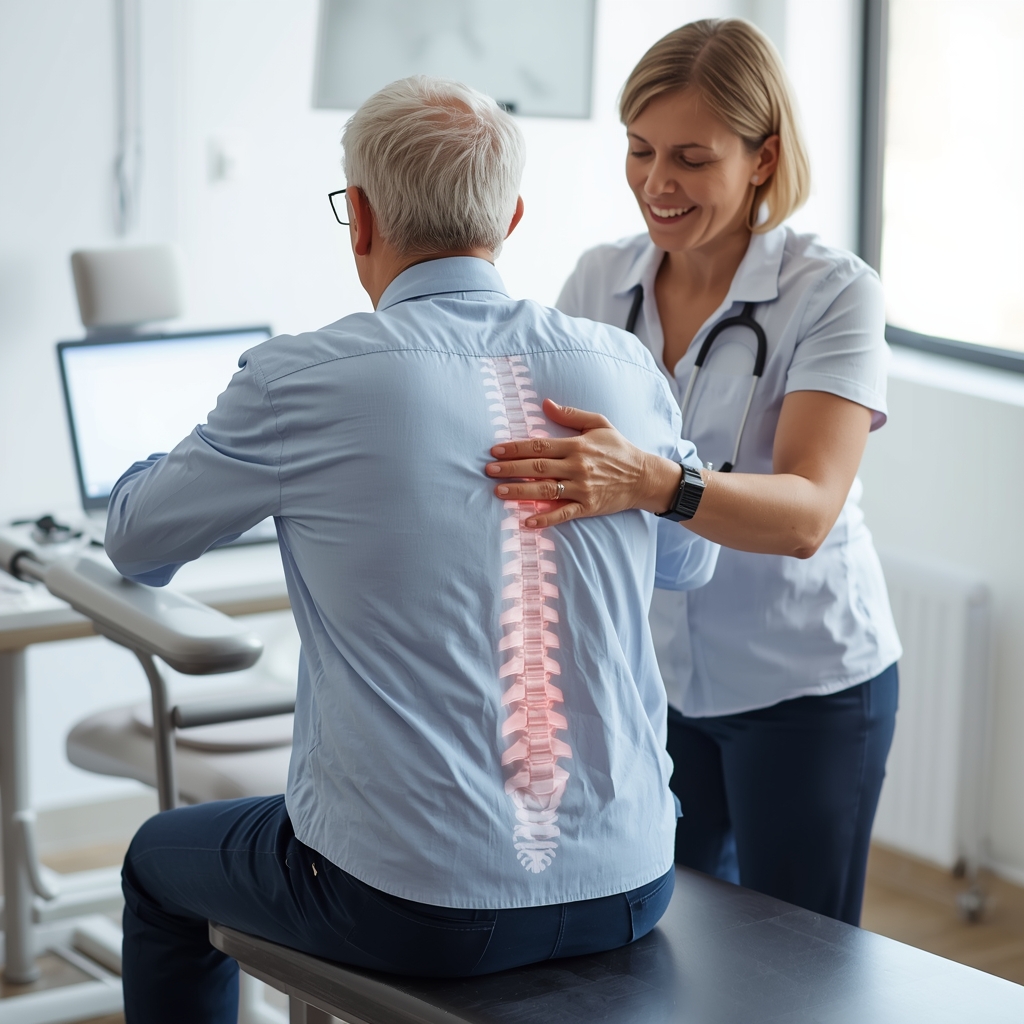
Spinal adjustments can enhance balance by addressing misalignments that affect nerve function and musculoskeletal coordination. A chiropractor may perform gentle manipulations to correct subluxations, improving joint mobility and reducing pain that contributes to instability. These adjustments can also stimulate proprioceptive feedback, helping the body better sense its position in space. For seniors, this may translate to improved posture and gait. While techniques vary, the goal is to restore optimal spinal function, which supports overall balance. It’s important to note that adjustments are part of a broader care plan, often paired with exercises to reinforce stability and prevent future falls.
Combining Ergonomics and Chiropractic Care
A holistic approach to fall prevention integrates ergonomic modifications with chiropractic interventions. For example, a senior with balance issues might benefit from both a home safety assessment and regular spinal adjustments. Ergonomic changes reduce environmental risks, while chiropractic care addresses underlying musculoskeletal imbalances. This dual strategy can enhance mobility and confidence, encouraging seniors to remain active. Chiropractors may also recommend corrective exercises or posture training to complement these adjustments. By addressing both internal and external factors, this combined approach offers a comprehensive solution for reducing fall risk and promoting long-term wellness in older adults.
Consulting Professionals for Personalized Solutions
Each senior’s needs are unique, making professional guidance essential for effective fall prevention. A chiropractor can evaluate spinal health, identify misalignments, and design a care plan tailored to individual balance challenges. They may also collaborate with physical therapists or geriatric specialists to address specific mobility issues. Ergonomic assessments by occupational therapists can highlight home modifications that align with a patient’s lifestyle. Seniors and caregivers should prioritize open communication with healthcare providers to explore options like assistive devices, strength training, or gait analysis. These steps ensure that interventions are safe, evidence-based, and aligned with the patient’s overall health goals.
Empowering Seniors Through Proactive Care
Proactive measures like ergonomic adjustments and chiropractic care empower seniors to maintain independence and reduce fall-related injuries. By addressing both environmental and physiological factors, these strategies create a safer, more stable living experience. Regular check-ups with a chiropractor can monitor progress and adapt treatments as needed. Seniors are encouraged to stay informed about their options and advocate for comprehensive care. With the right support, fall risk can be managed effectively, allowing older adults to enjoy greater mobility and peace of mind. The key lies in a collaborative approach that prioritizes safety, comfort, and long-term well-being.














