
Why Balance Training Matters for Seniors With Spinal Degeneration
As spinal degeneration progresses, seniors often experience reduced stability, increased stiffness, and compromised proprioception—the body’s ability to sense its position in space. These changes elevate fall risk, which can lead to fractures, prolonged recovery, and loss of independence. Balance training addresses these challenges by strengthening core muscles, improving coordination, and enhancing neuromuscular control. Chiropractors play a key role in identifying movement patterns that contribute to instability and recommending exercises tailored to individual needs. By integrating balance-focused routines, seniors can maintain mobility while reducing the likelihood of falls, which is critical for long-term spinal health and quality of life.
Safe Balance-Training Exercises for Spinal Health
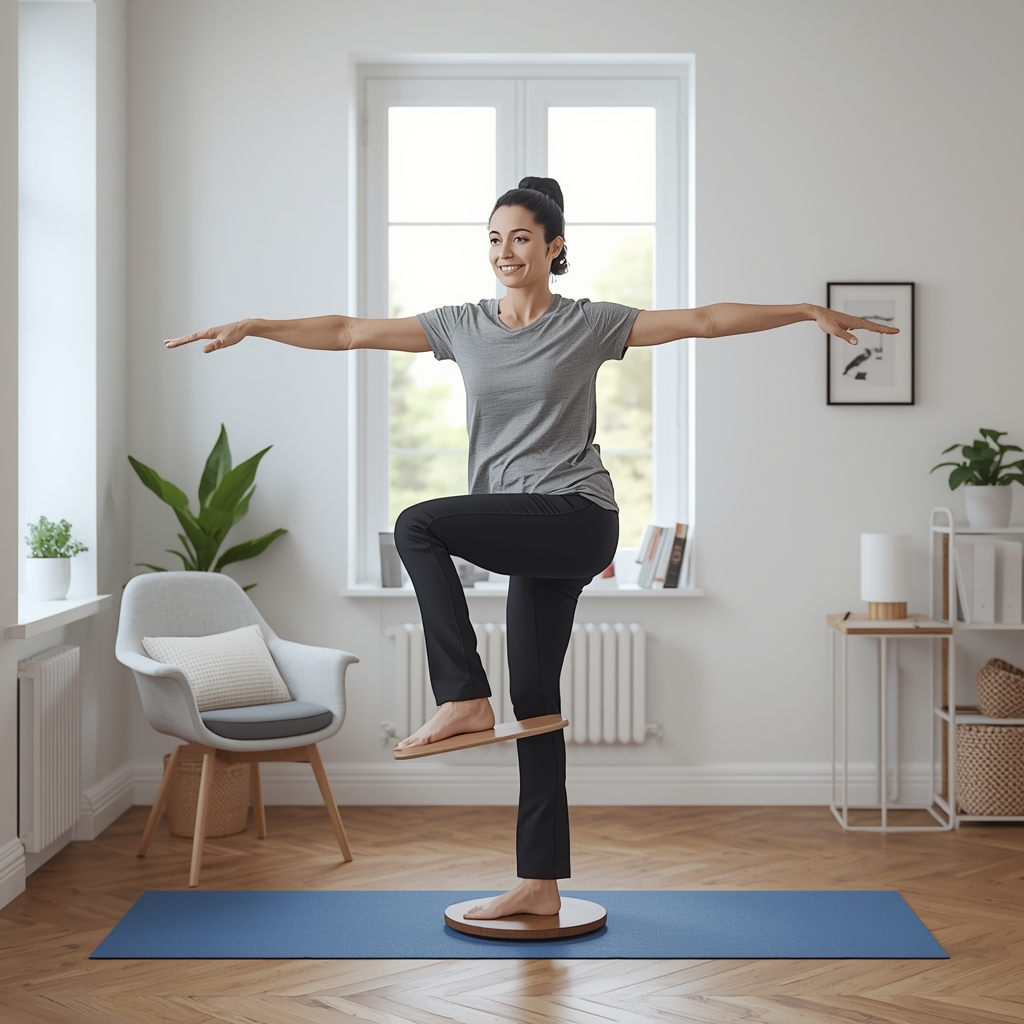
Simple, low-impact exercises can significantly improve balance without straining the spine. Single-leg stands, performed near a wall for support, help build leg strength and stability. Heel-to-toe walks challenge balance while promoting proper posture. Tai chi, with its slow, controlled movements, enhances flexibility and body awareness. Chiropractors may also suggest resistance-band exercises to strengthen stabilizing muscles. These activities should be performed in a safe environment, starting with short sessions and gradually increasing difficulty. Consistency is key, as regular practice reinforces neural pathways that support balance. Seniors should always consult their chiropractor before beginning new routines to ensure exercises align with their spinal condition and overall health.
How Chiropractors Assess and Guide Balance Training
Chiropractors use physical exams and patient history to evaluate balance risks, looking for signs of muscle weakness, joint stiffness, or nerve interference. They may employ gait analysis or postural assessments to identify imbalances. Based on these findings, they recommend exercises that target specific areas of concern. For example, a patient with lumbar instability might benefit from core-strengthening routines, while someone with cervical issues could focus on neck mobility drills. Chiropractors also monitor progress over time, adjusting recommendations as needed. Their expertise ensures exercises are both effective and safe, minimizing the risk of exacerbating spinal degeneration while maximizing fall prevention benefits.
Safety Tips for Senior Balance Training
Seniors should prioritize safety when engaging in balance exercises. Always perform activities in a clear, well-lit space free of clutter. Using a sturdy chair, wall, or countertop for support reduces the risk of falls. Start with basic movements and gradually progress to more challenging routines as confidence and strength improve. Wearing non-slip footwear and avoiding exercising on uneven surfaces are also essential. If dizziness or pain occurs, stop immediately and consult a chiropractor. Pairing balance training with regular spinal adjustments can further enhance stability by maintaining proper alignment. By following these precautions, seniors can safely incorporate balance exercises into their daily routines, fostering long-term mobility and independence.
Integrating Balance Training With Comprehensive Care
Balance training works best when combined with other aspects of spinal care. Chiropractors often collaborate with physical therapists to create holistic rehabilitation plans that address strength, flexibility, and posture. Nutritional guidance may also play a role, as adequate calcium and vitamin D support bone health. Seniors should discuss their exercise routines with their chiropractor to ensure they complement existing treatments, such as spinal adjustments or decompression therapy. Regular check-ups allow for ongoing evaluation of progress and adjustments to the care plan. This integrated approach not only reduces fall risk but also promotes overall wellness, helping seniors maintain an active, independent lifestyle.
Encouraging Long-Term Balance and Spinal Wellness
Building and maintaining balance is a lifelong commitment, especially for seniors with spinal degeneration. Consistent practice of recommended exercises can lead to noticeable improvements in stability and confidence. Chiropractors emphasize the importance of patience, as results often develop gradually. Encouraging social activities, such as group tai chi classes, can make balance training more engaging and sustainable. By prioritizing spinal health through proactive measures, seniors can reduce fall risks and preserve their quality of life. Regular communication with a chiropractor ensures that balance strategies remain effective and adaptable to changing needs, fostering long-term wellness and resilience.














