
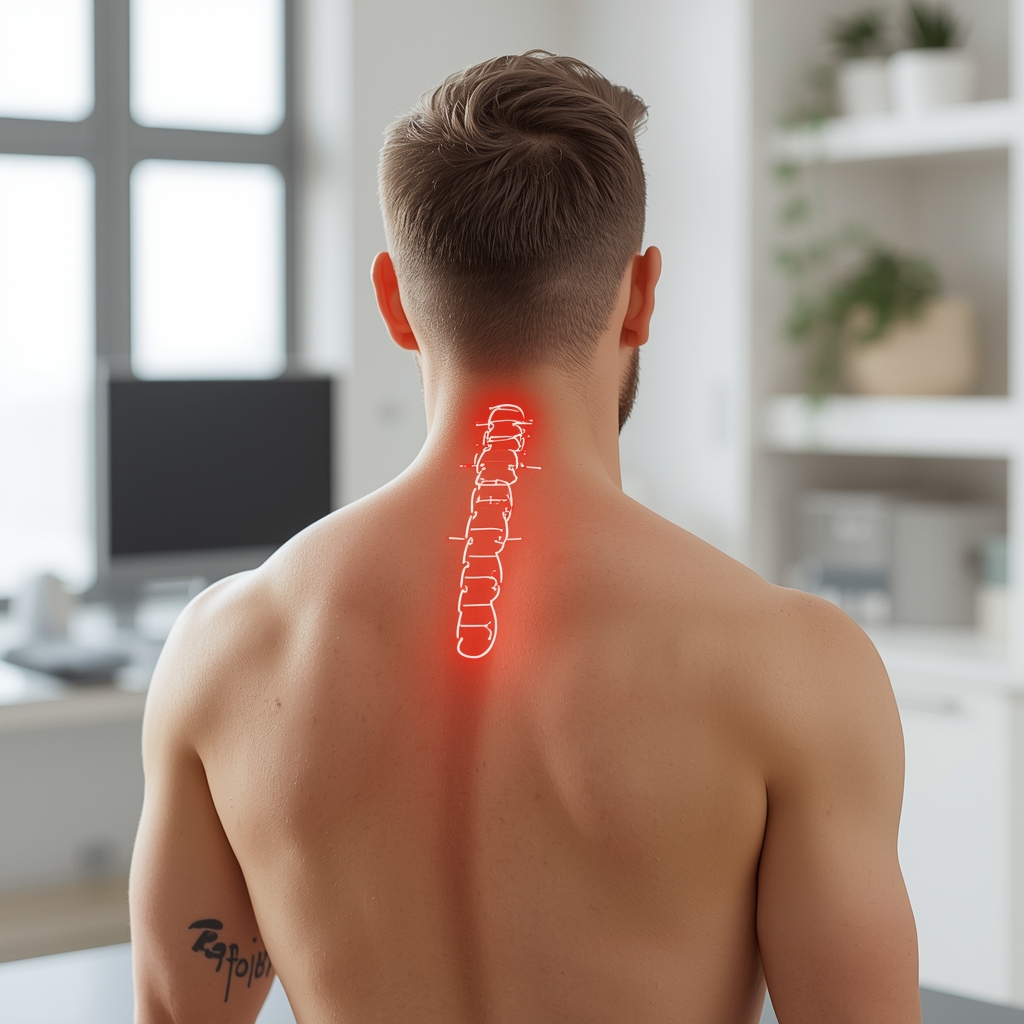
Understanding Dry Needling and Acupuncture
Dry needling and acupuncture are both therapeutic techniques involving fine needles, but they differ in philosophy and application. Dry needling is a modern, evidence-based approach rooted in Western medical science, targeting specific muscle trigger points to relieve pain and improve function. Acupuncture, on the other hand, originates from traditional Chinese medicine (TCM) and focuses on balancing the body’s energy (qi) by stimulating meridian pathways. While both methods aim to alleviate musculoskeletal discomfort, their underlying principles and methods create distinct approaches to treatment. For chronic shoulder impingement syndrome—a condition involving compressed tendons or bursae—both techniques may offer relief, but their mechanisms and outcomes can vary. Understanding these differences helps patients and practitioners make informed decisions about which method might suit individual needs.
Origins and Philosophical Foundations
Acupuncture’s roots trace back over 2,500 years to ancient China, where it was developed to restore harmony between the body’s energy flows. It operates on the premise that blockages in qi pathways contribute to pain and illness. Dry needling, by contrast, emerged in the 20th century as a Western technique informed by neurophysiology and musculoskeletal science. It targets myofascial trigger points—tender knots in muscles—to reduce tension and improve mobility. While acupuncture seeks to influence systemic energy patterns, dry needling focuses on localized muscle dysfunction. These divergent philosophies shape how each method is applied, with acupuncture often addressing broader health patterns and dry needling targeting specific anatomical issues like those seen in shoulder impingement.
Technique and Application Differences
The execution of dry needling and acupuncture involves inserting thin needles, but their placement and purpose differ. Dry needling practitioners identify and stimulate trigger points within muscles, often using real-time feedback to assess tension release. This technique is typically guided by musculoskeletal assessment and aims to deactivate painful muscle knots. Acupuncture, however, follows TCM principles to stimulate specific points along energy meridians, which may not always align with anatomical landmarks. For shoulder impingement, dry needling might focus on the rotator cuff or surrounding muscles, while acupuncture could target points along the arm or back to influence energy flow. Both methods require trained professionals, but the decision-making process reflects distinct diagnostic frameworks—Western musculoskeletal analysis versus TCM energetic theory.
Targeting Chronic Shoulder Impingement Syndrome
Chronic shoulder impingement syndrome involves repetitive compression of tendons or bursae, often due to muscle imbalances or structural issues. Dry needling may address this by relaxing tight muscles like the subscapularis or teres minor, reducing pressure on affected tissues. Its direct approach can improve range of motion and alleviate pain quickly. Acupuncture, meanwhile, might aim to reduce inflammation and modulate pain signals through neural pathways, while also addressing underlying energy imbalances. Some practitioners combine both techniques for synergistic effects, but their primary mechanisms remain distinct. Patients may find one method more effective depending on their condition’s root causes, though individual responses vary. A chiropractor can help determine which approach aligns best with their treatment goals.
Evidence and Effectiveness
Both dry needling and acupuncture are increasingly recognized in clinical settings, though their evidence bases differ. Dry needling has strong support for treating myofascial pain, with studies showing its ability to reduce muscle tension and improve function. Acupuncture’s effectiveness is well-documented for various pain conditions, though research on its specific impact on shoulder impingement is less extensive. Some patients report significant relief from either method, while others may not respond as well. It’s important to note that results depend on factors like practitioner skill, condition severity, and individual physiology. Neither technique is a guaranteed solution, and outcomes should be discussed with a qualified healthcare provider to ensure safe and appropriate care.
Choosing the Right Approach
Deciding between dry needling and acupuncture for shoulder impingement involves considering personal preferences, treatment goals, and practitioner expertise. Dry needling may appeal to those seeking a targeted, musculoskeletal-focused intervention, while acupuncture might resonate with patients interested in holistic or energy-based approaches. Some individuals benefit from combining both methods, but this requires coordination with a knowledgeable provider. It’s crucial to consult a licensed chiropractor or healthcare professional to evaluate the condition and recommend the most suitable options. Open communication about expectations and potential outcomes ensures a tailored approach, helping patients navigate their path to relief with confidence and clarity.












