
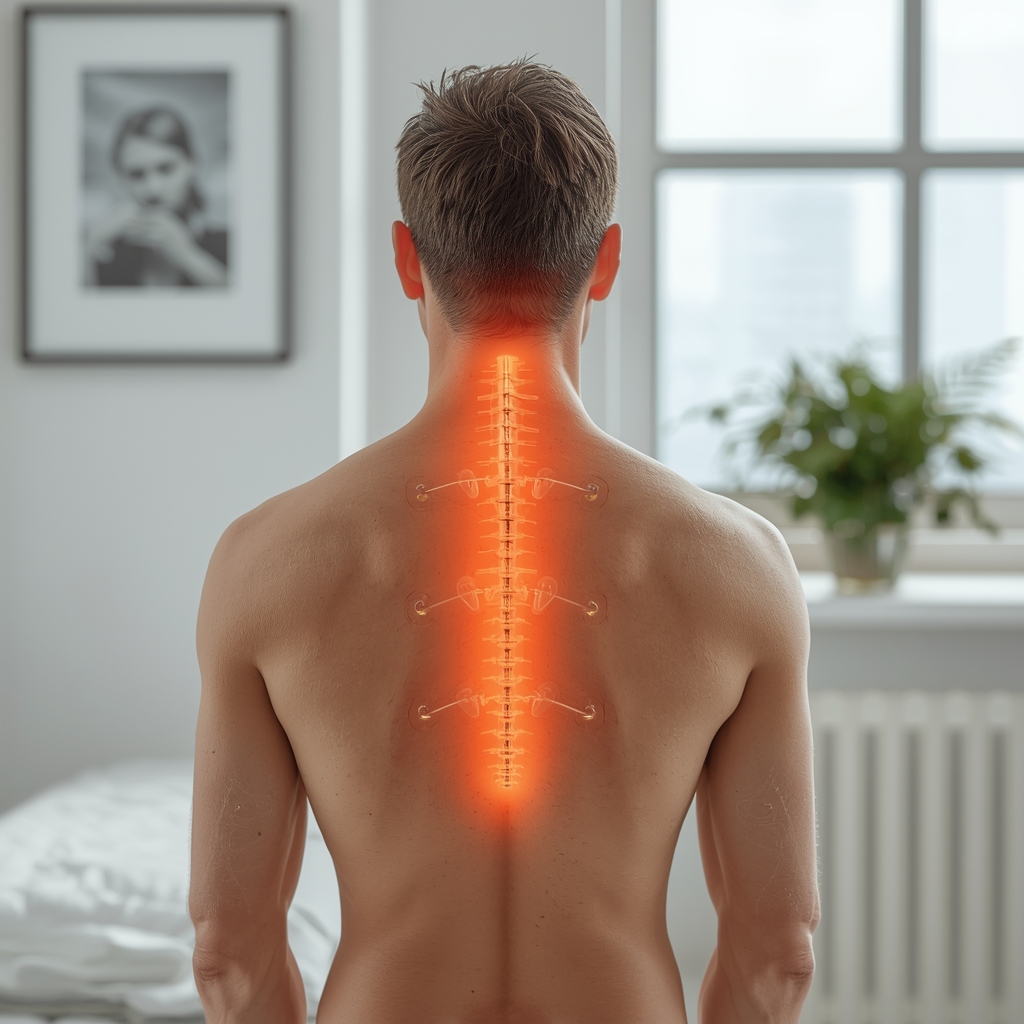
Understanding Myofascial Pain Syndromes
Myofascial pain syndromes involve chronic pain in the muscles and their connective tissues, often linked to trigger points—tight knots in muscle fibers that cause localized or referred pain. These conditions can result from overuse, injury, poor posture, or stress, leading to discomfort in areas like the neck, shoulders, and back. Symptoms may include persistent aches, limited range of motion, and tenderness in specific muscle regions. While the exact mechanisms are not fully understood, research suggests that nerve sensitivity and muscle dysfunction play key roles. Managing myofascial pain often requires a multifaceted approach, including physical therapy, exercise, and targeted interventions. Dry needling and acupuncture are two techniques increasingly used to address these issues, but their methods and applications differ significantly.
Overview of Dry Needling and Acupuncture
Dry needling and acupuncture both involve inserting thin needles into the body but differ in their origins and applications. Dry needling, rooted in Western medical science, targets specific trigger points to relieve muscle tension and pain. Practitioners use sterile, single-use needles to stimulate these points, aiming to release tight muscle fibers and improve circulation. Acupuncture, a traditional Chinese medicine practice, focuses on balancing energy (qi) by stimulating meridians—energy pathways throughout the body. While acupuncture may address broader systemic issues, dry needling is more localized, targeting musculoskeletal pain directly. Both techniques are generally safe when performed by trained professionals, but their philosophical foundations and treatment goals vary. Understanding these distinctions is crucial for patients seeking relief from myofascial pain, as the choice between them depends on individual needs and the practitioner’s expertise.
Comparative Techniques and Mechanisms
The techniques of dry needling and acupuncture differ in execution and theoretical basis. Dry needling involves inserting needles directly into trigger points to elicit a local twitch response, which helps relax the muscle and reduce pain. This method relies on anatomical knowledge of muscle structures and is often used to treat localized issues. Acupuncture, by contrast, places needles at specific points along meridians, aiming to restore energy flow and address underlying imbalances. While dry needling focuses on mechanical and neurophysiological effects, acupuncture incorporates traditional concepts of qi and holistic wellness. Both methods may stimulate the release of endorphins and other pain-relieving substances, but their approaches to pain management reflect distinct paradigms. Patients should consider these differences when deciding which technique aligns best with their health goals and preferences, ensuring they work with qualified practitioners who understand their unique needs.
Effectiveness and Research Evidence
Research on the effectiveness of dry needling and acupuncture for myofascial pain shows promising results, though evidence varies between the two. Dry needling has been associated with reduced muscle tension and improved function in conditions like tension-type headaches and shoulder pain, supported by studies on its neurophysiological effects. Acupuncture, with a longer history of use, is often cited for its ability to modulate pain signals and promote relaxation. However, the evidence base for both remains evolving, with some studies highlighting their benefits and others noting the need for more rigorous trials. Patients should be aware that individual responses can vary, and outcomes depend on factors like treatment frequency, practitioner skill, and condition severity. While both techniques are generally considered safe, they should be part of a broader treatment plan. Consulting a chiropractor or healthcare provider can help determine which approach may be most suitable for specific cases of myofascial pain.
Best Practices for Each Technique
When considering dry needling or acupuncture for myofascial pain, adhering to best practices ensures safety and effectiveness. For dry needling, practitioners should have proper training in anatomy and trigger point identification to avoid complications. Patients should communicate any concerns or medical conditions to their provider before treatment. Acupuncture requires practitioners to be licensed and experienced in traditional Chinese medicine principles, with attention to sterile techniques and patient comfort. Both methods benefit from a personalized approach, as the number and placement of needles depend on the individual’s condition. Patients should also follow post-treatment care advice, such as staying hydrated and avoiding strenuous activity. Regular follow-ups help monitor progress and adjust the treatment plan as needed. By prioritizing qualified professionals and open communication, patients can maximize the potential benefits of these therapies while minimizing risks.
Conclusion and Choosing the Right Approach
Both dry needling and acupuncture offer valuable options for managing myofascial pain, but their suitability depends on individual needs and goals. Dry needling’s targeted approach may be ideal for localized muscle issues, while acupuncture’s holistic perspective can address broader systemic factors. Patients should consider their preferences, the practitioner’s expertise, and the specific nature of their condition when making a choice. It is essential to consult a licensed chiropractor or healthcare provider to discuss these options and develop a tailored treatment plan. While neither technique is a substitute for comprehensive care, they can complement other therapies like physical therapy or lifestyle adjustments. By staying informed and working with qualified professionals, patients can make empowered decisions about their pain management journey, ultimately improving their quality of life and well-being.












