
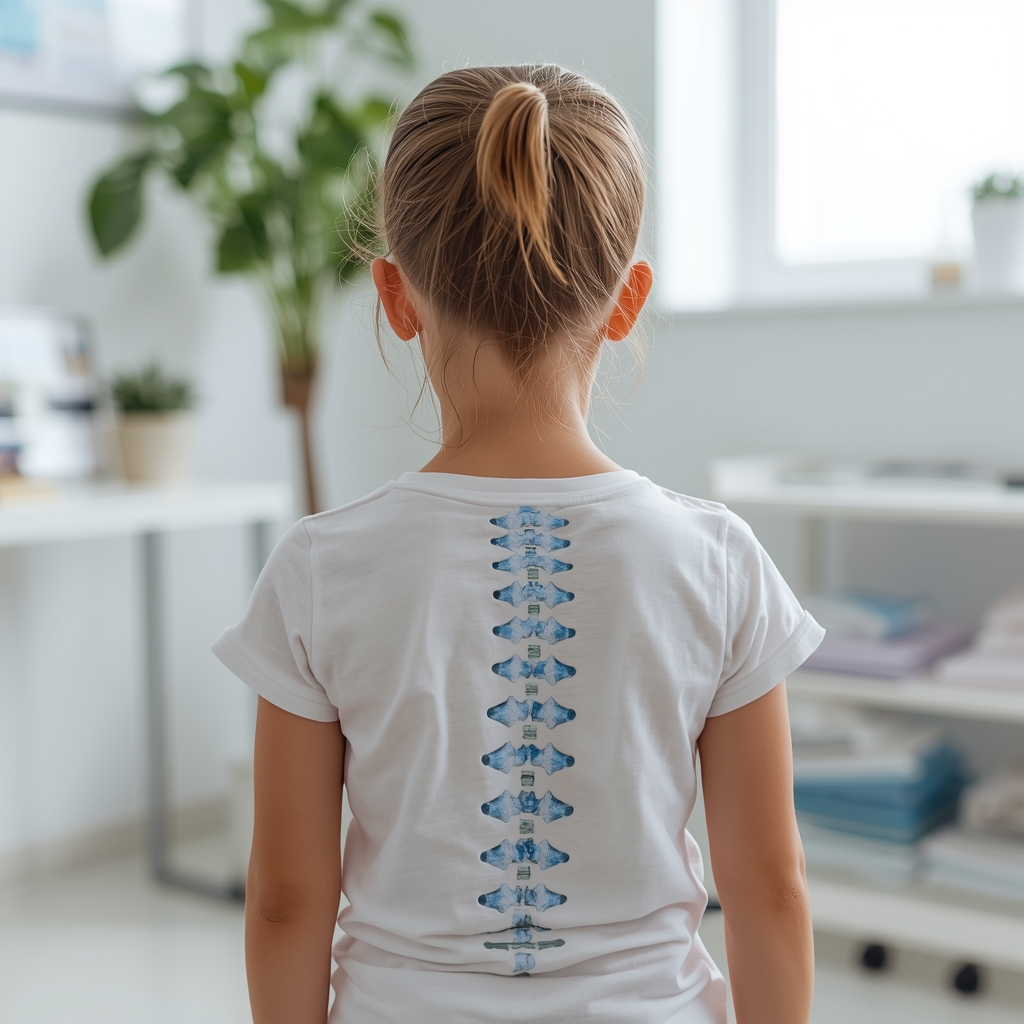
Understanding Pediatric Scoliosis and Chiropractic Care
Scoliosis, characterized by an abnormal spinal curvature, affects children and adolescents differently than adults. While adult scoliosis often involves degenerative changes, pediatric cases typically stem from developmental factors. Chiropractic care for children focuses on early intervention to support spinal growth and prevent progression. Unlike adult treatments, which may prioritize pain management, pediatric approaches emphasize gentle, non-invasive techniques to align the spine naturally. This distinction highlights the need for specialized strategies tailored to a child’s growing body. Parents should seek chiropractors experienced in pediatric care to ensure safe, age-appropriate treatment. Understanding these differences is critical for effective management and long-term spinal health.
Comprehensive Assessment and Diagnosis
Accurate diagnosis is foundational to effective pediatric scoliosis care. Chiropractors begin with a thorough physical examination, assessing posture, spinal curvature, and range of motion. Imaging, such as X-rays, may be used cautiously to evaluate the spine’s structure, with radiation exposure minimized. For children, the focus is on identifying the type and severity of scoliosis, whether idiopathic, congenital, or neuromuscular. Early detection allows for timely intervention, which can significantly influence outcomes. Pediatric chiropractors also consider growth patterns and family history to tailor care plans. This meticulous approach ensures that treatments address the root causes rather than just symptoms, fostering healthier spinal development.
Adapting Treatment Techniques for Children
Chiropractic adjustments for children differ from adult protocols, prioritizing gentleness and developmental needs. Techniques like soft tissue therapy, spinal mobilization, and low-force adjustments are commonly used to avoid strain on growing bones and ligaments. The goal is to restore balance and support natural spinal alignment without excessive force. For instance, drop table adjustments or instrument-assisted methods may replace traditional manual manipulations. These approaches are often combined with therapeutic exercises to strengthen core muscles and improve posture. Treatment frequency and intensity are carefully calibrated to the child’s age and condition, ensuring safety while promoting optimal spinal function.
Monitoring Progress and Adjusting Care
Regular follow-ups are essential to track a child’s spinal development and treatment effectiveness. Chiropractors may schedule periodic evaluations to assess changes in curvature and overall function. Adjustments to the care plan are made based on growth spurts, activity levels, or evolving symptoms. For example, a child experiencing rapid growth might require more frequent sessions to maintain alignment. Parents play a vital role in observing daily habits, such as sitting posture or physical activity, and reporting these to the chiropractor. This collaborative approach ensures that care remains responsive to the child’s unique needs, maximizing the potential for positive outcomes.
Family Involvement and Lifestyle Support
Successful pediatric scoliosis care extends beyond the chiropractic office, relying on family support and lifestyle adjustments. Parents are encouraged to reinforce good posture, encourage regular movement, and monitor for signs of discomfort. Physical therapy exercises prescribed by the chiropractor can be integrated into daily routines to enhance spinal stability. Additionally, addressing ergonomic factors at home and school helps reduce strain on the developing spine. Open communication between the chiropractor and family ensures consistency in care. By fostering a supportive environment, families contribute to the child’s overall well-being and the long-term success of chiropractic interventions.
Key Considerations for Pediatric vs. Adult Care
While both pediatric and adult scoliosis benefit from chiropractic care, the approaches diverge significantly. Adult treatments often focus on pain relief and mobility, whereas pediatric care prioritizes guiding spinal development. Techniques used for children are less invasive, avoiding high-velocity adjustments that could harm growing tissues. Additionally, treatment goals for children include preventing curvature progression, while adults may aim for symptom management. The involvement of parents and the emphasis on early intervention further distinguish pediatric care. Understanding these differences allows chiropractors to provide targeted, effective support, ensuring the best possible outcomes for young patients.










