
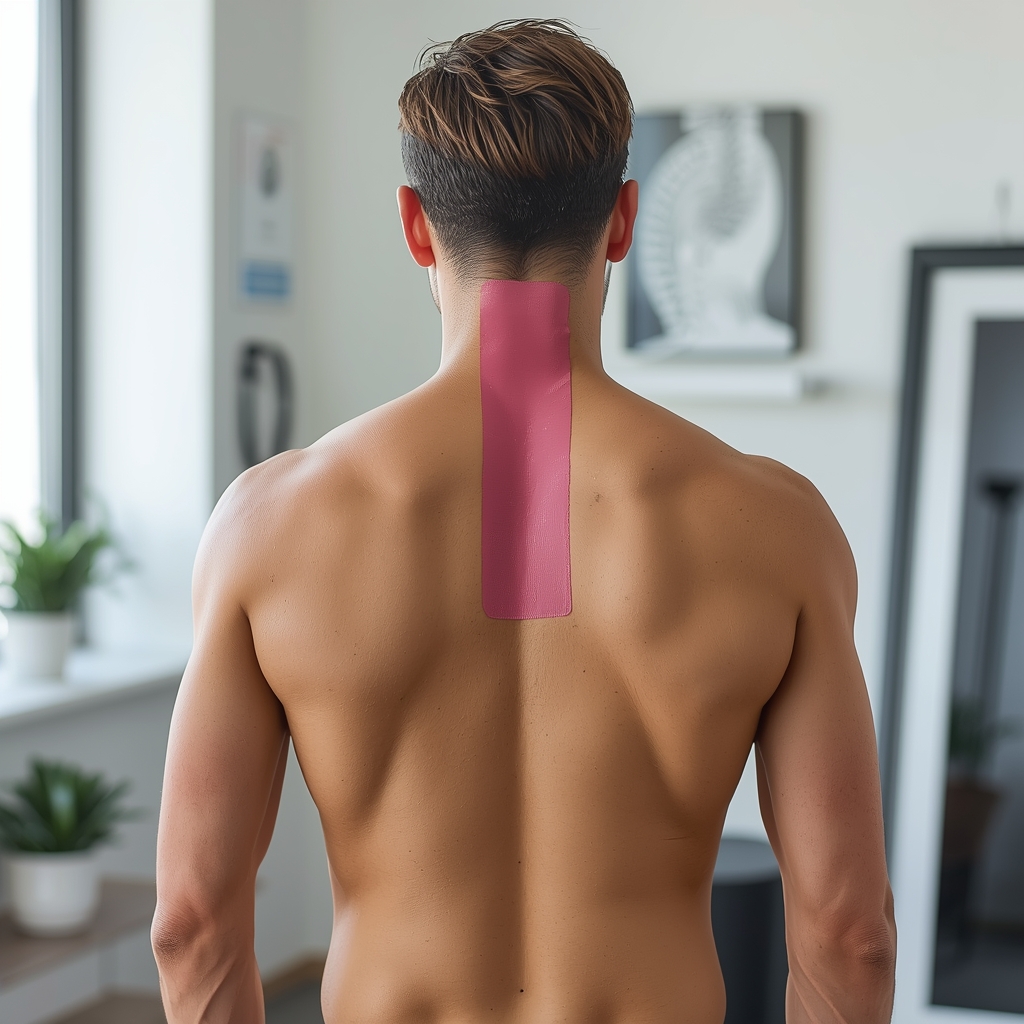
Understanding Kinesio Taping and Its Role in Recovery
Kinesio Taping is a therapeutic technique used to support muscles, joints, and ligaments during recovery from physical activity. It involves applying elastic, adhesive tape to specific areas of the body to provide gentle support, reduce pain, and enhance circulation. For athletes, this method is particularly valuable in post-workout recovery, as it can help alleviate muscle soreness, improve range of motion, and prevent further injury. The tape is designed to mimic the skin’s elasticity, allowing for natural movement while offering targeted support. While Kinesio Taping is widely used in sports medicine, its effectiveness depends on proper application. Understanding the principles behind this technique ensures athletes can maximize its benefits without causing irritation or discomfort. It is important to note that while many athletes find it helpful, individual results may vary, and it should be used as part of a broader recovery strategy.
Preparation: Assessing the Skin and Selecting the Right Tape
Before applying Kinesio Taping, it is essential to prepare the skin properly. Clean the area with mild soap and water, ensuring it is dry and free of oils or lotions that could interfere with adhesion. Avoid applying tape to broken skin, rashes, or areas with known allergies. Selecting the appropriate tape is also critical—athletes should choose a high-quality, hypoallergenic product designed for sports use. The tape’s elasticity and thickness can vary, so selecting the right type depends on the intended purpose, such as muscle support versus joint stabilization. For sensitive skin, a less adhesive variant may be preferable. Additionally, consider the athlete’s specific needs: for example, a runner might require tape that allows for flexibility in the lower legs, while a weightlifter may need additional support for the shoulders. Proper preparation ensures the tape adheres effectively and remains in place during physical activity.
Application Techniques for Different Athlete Populations
Application techniques for Kinesio Taping vary depending on the athlete’s sport, injury history, and recovery goals. For runners, taping the calves or ankles can help reduce strain on overused muscles and prevent common injuries like shin splints. Weightlifters may benefit from taping the shoulders or lower back to provide stability during heavy lifts. Swimmers often use tape on the shoulders or upper back to support joint mobility and reduce fatigue. It is also important to consider the athlete’s body type and movement patterns. For instance, a gymnast might require taping that allows for a wide range of motion, while a cyclist may focus on the knees or hamstrings. Regardless of the sport, the tape should be applied in a way that supports the targeted area without restricting natural movement. Athletes should avoid over-taping, as this can lead to discomfort or reduced circulation. Consulting a trained professional, such as a chiropractor or physical therapist, can help tailor the technique to individual needs.
Proper Taping Methods: From Shaping to Placement
Correct application of Kinesio Taping involves more than simply sticking the tape to the skin—it requires attention to detail and technique. Begin by cutting the tape into the desired shape, such as an “I” strip for linear support or a “Y” shape for multi-directional stabilization. When applying, stretch the tape to about 50% of its maximum length for most areas, ensuring it is not overly tight. For muscle support, the tape should be applied in the direction of the muscle’s natural pull. For example, taping the quadriceps would involve stretching the tape from the top of the thigh to the knee. Avoid over-stretching, as this can cause discomfort or restrict blood flow. Additionally, ensure the edges of the tape are smooth and free of bubbles, which could lead to peeling. For joints, the tape should be applied with minimal stretch to allow for natural movement while providing stability. Proper placement is crucial for effectiveness, and athletes should take care to follow guidelines specific to their condition or sport.
Post-Application Care and Duration of Use
After applying Kinesio Taping, it is important to monitor the skin for any signs of irritation, such as redness, itching, or discomfort. If these symptoms occur, the tape should be removed immediately, and the area should be cleaned with mild soap and water. The tape is typically worn for 24 to 72 hours, depending on the athlete’s activity level and the type of tape used. Athletes should avoid exposing the taped area to excessive moisture, such as prolonged swimming or soaking in a hot tub, as this can weaken the adhesive. When removing the tape, do so slowly and in the direction of hair growth to minimize skin irritation. It is also advisable to allow the skin to rest between applications, especially if the athlete has sensitive skin. Proper care ensures the tape remains effective and reduces the risk of adverse reactions. For optimal results, athletes should combine Kinesio Taping with other recovery practices, such as stretching, hydration, and rest.
When to Seek Professional Guidance for Kinesio Taping
While Kinesio Taping can be self-applied in some cases, athletes with complex injuries or chronic conditions should consult a qualified healthcare provider, such as a chiropractor or physical therapist. These professionals can assess the athlete’s specific needs and recommend the most appropriate taping technique. For instance, an athlete recovering from a sprained ankle may require a different approach than someone managing shoulder impingement. Additionally, a trained practitioner can ensure the tape is applied correctly, avoiding common mistakes that could lead to discomfort or ineffectiveness. Athletes who are unsure about the proper technique or have questions about the tape’s purpose should seek guidance rather than guessing. This is especially important for those with underlying health conditions, such as diabetes or circulatory issues, which may affect skin integrity. By working with a professional, athletes can maximize the benefits of Kinesio Taping while minimizing the risk of complications.















