
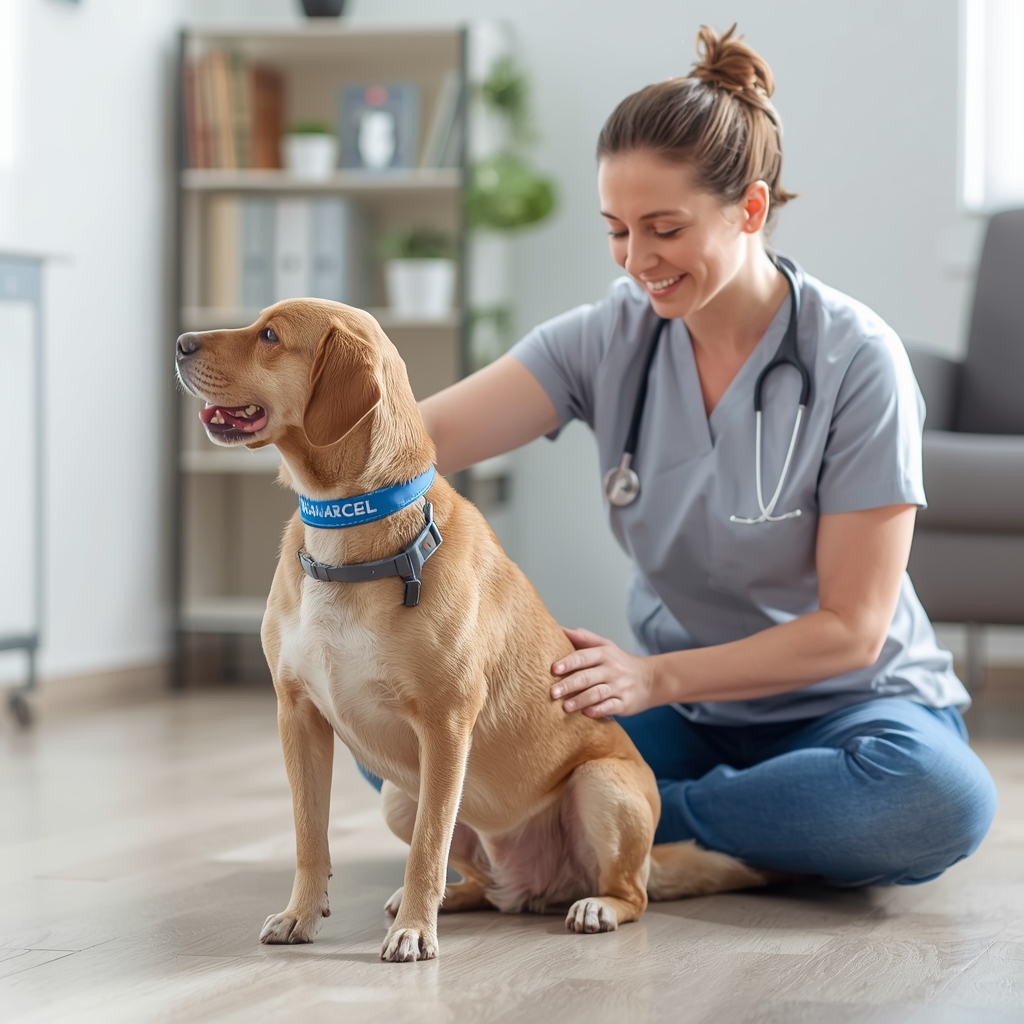
Understanding Animal Chiropractic Care for Dogs
Animal chiropractic care focuses on the musculoskeletal and nervous systems of pets, particularly dogs, to address issues like arthritis. This specialized approach involves manual adjustments to improve spinal alignment and joint function, aiming to alleviate pain and enhance mobility. While less common than human chiropractic care, it is gaining recognition as a complementary therapy for pets with chronic conditions. For dogs with arthritis, which affects joint flexibility and causes discomfort, chiropractic interventions may offer a non-invasive alternative or adjunct to traditional treatments. Veterinarians trained in animal chiropractic use gentle techniques tailored to a dog's size, breed, and specific needs. This practice emphasizes holistic wellness, focusing on the body's ability to heal itself when properly aligned. Understanding its principles helps pet owners make informed decisions about their dog's care.
Key Benefits of Chiropractic Care for Arthritic Dogs
Chiropractic care can provide several benefits for dogs suffering from arthritis. One primary advantage is pain relief, as adjustments may reduce inflammation and ease pressure on affected joints. Improved mobility is another significant outcome, allowing dogs to move more freely and maintain an active lifestyle. Additionally, regular sessions may enhance overall quality of life by supporting the nervous system's function, which is crucial for muscle coordination and pain management. Many pet owners report that their dogs exhibit fewer signs of discomfort and increased energy levels after treatments. It is important to note that chiropractic care is often used alongside other therapies, such as medication or physical rehabilitation, to create a comprehensive care plan. While results can vary, the non-invasive nature of the treatment makes it an appealing option for pet owners seeking alternatives to surgery or long-term drug use. Always consult a qualified veterinary professional to determine if this approach suits your dog's condition.
How Chiropractic Adjustments Are Administered to Dogs
Chiropractic adjustments for dogs are performed by licensed veterinary chiropractors who undergo specialized training. The process begins with a thorough evaluation of the dog's spine and joints to identify areas of misalignment or restricted movement. Using precise, controlled techniques, the chiropractor applies gentle pressure to specific points to restore proper function. These adjustments are typically quick and minimally invasive, tailored to the dog's comfort level. The practitioner may also incorporate additional therapies, such as soft tissue work or therapeutic exercises, to support the adjustment's effectiveness. Sessions are usually brief, lasting 15–30 minutes, and may require multiple visits depending on the dog's condition. Owners are often advised to monitor their pet's behavior and mobility post-treatment, reporting any changes to the chiropractor. It is crucial to seek care from a certified professional to ensure safety and optimal results, as improper techniques could worsen the dog's condition.
Safety Considerations and Potential Risks
While chiropractic care is generally safe for dogs when performed by a qualified professional, there are important considerations to keep in mind. Dogs with certain conditions, such as severe bone fractures or spinal instability, may not be suitable candidates for adjustments. It is essential to provide the chiropractor with a complete medical history to avoid complications. Some dogs might experience temporary discomfort or mild side effects, such as soreness, after a session, but these usually resolve quickly. Overly aggressive techniques or improper training can lead to harm, underscoring the need for certified practitioners. Pet owners should also be aware that chiropractic care is not a substitute for veterinary medical treatment, especially for severe arthritis or other underlying health issues. Regular communication with both the chiropractor and the primary veterinarian ensures a coordinated approach to the dog's care. By prioritizing professional guidance, owners can minimize risks and maximize the benefits of this therapeutic option.
What to Expect During a Chiropractic Session for Dogs
During a typical chiropractic session for a dog with arthritis, the process begins with a detailed consultation to discuss the pet's medical history, current symptoms, and any previous treatments. The chiropractor will then perform a physical examination, assessing the dog's gait, posture, and range of motion. This helps identify areas requiring adjustment. The actual session involves gentle manipulations of the spine and joints, often with the dog lying comfortably on a padded table. The practitioner may use their hands or specialized tools to apply precise pressure, aiming to correct misalignments. Owners are typically encouraged to stay with their pets to provide reassurance, as some dogs may be anxious in new environments. After the session, the chiropractor may offer guidance on home care, such as gentle exercises or activity modifications. Follow-up appointments are usually scheduled to monitor progress and adjust the treatment plan as needed. This structured approach ensures the dog receives consistent, personalized care tailored to their specific needs.
Integrating Chiropractic Care Into Your Dog’s Wellness Routine
Integrating chiropractic care into a dog's wellness routine requires a collaborative approach between the pet owner, veterinarian, and chiropractor. Regular adjustments can help maintain spinal health and prevent worsening of arthritis symptoms, but they should be part of a broader care strategy. This may include dietary management, weight control, and controlled exercise to reduce joint stress. Owners should observe their dog's behavior and mobility between sessions, noting any changes that might indicate the need for adjustments or other interventions. Open communication with the chiropractor is key to adapting the treatment plan as the dog's condition evolves. While chiropractic care offers valuable benefits, it is not a cure-all and works best when combined with conventional veterinary care. By prioritizing holistic, evidence-based practices, pet owners can support their dog's long-term comfort and mobility. Always consult with a qualified professional to ensure the approach aligns with the dog's unique health needs.













