
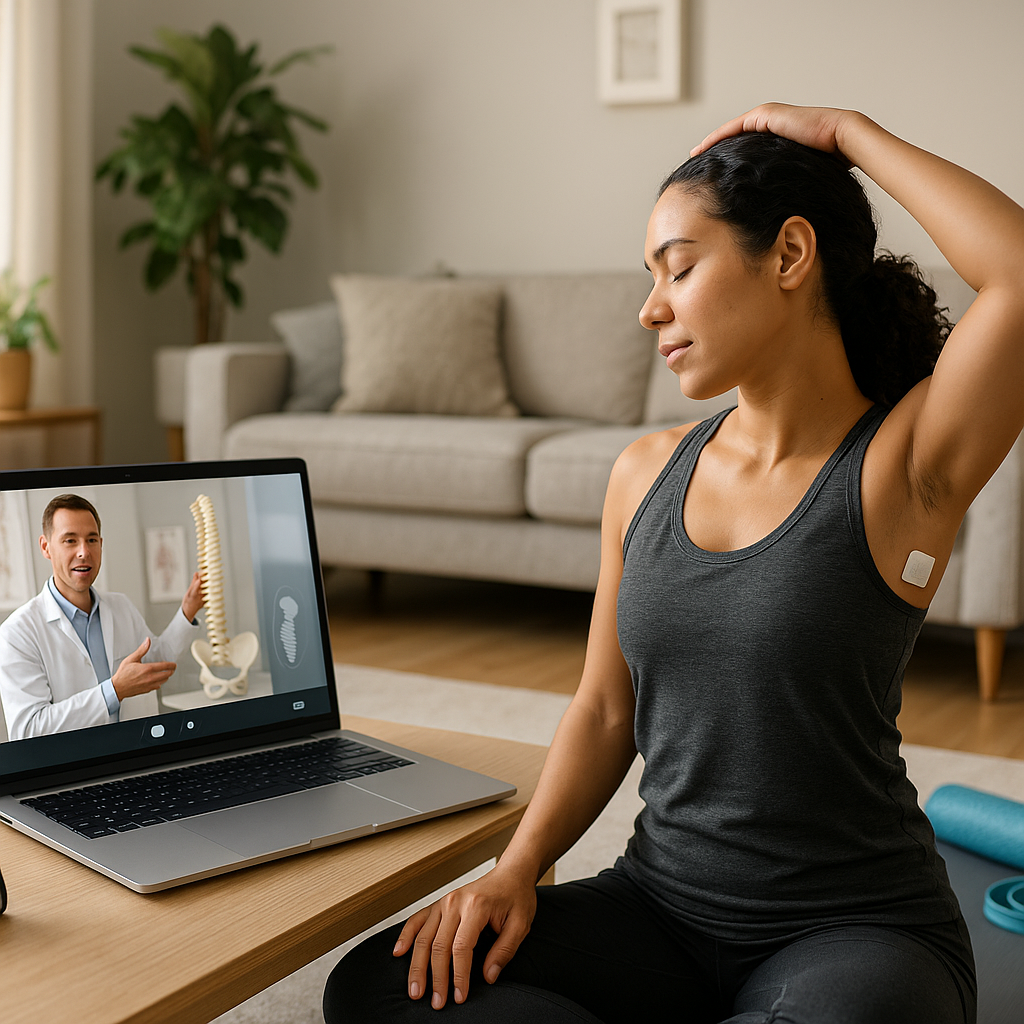
Understanding Chiropractic Telehealth: A Modern Approach to Spinal Care
The rise of digital health services has transformed the way patients access medical care, and chiropractic medicine is no exception. Chiropractic telehealth has emerged as a practical and increasingly popular solution for individuals seeking professional guidance on musculoskeletal health without the need to visit a physical clinic. Whether you are managing chronic back pain, recovering from an injury, or simply looking for preventive advice, telehealth options are expanding the reach of chiropractic care in meaningful ways.
This article explores the various telehealth options available for chiropractic care, what patients can realistically expect from a virtual chiropractor visit, and how these services compare to traditional in-person appointments.
What Is Chiropractic Telehealth?
Chiropractic telehealth refers to the delivery of chiropractic consultations, assessments, and guided therapies through digital communication platforms. Using video calls, phone consultations, or dedicated telehealth applications, licensed chiropractors can evaluate patients, discuss symptoms, review medical histories, and provide personalized care recommendations — all from a remote setting.
While it is important to acknowledge that hands-on spinal manipulation cannot be performed virtually, a substantial portion of chiropractic care extends well beyond physical adjustments. Education, exercise prescription, postural coaching, and lifestyle counseling are all services that translate effectively into a remote format.
Types of Telehealth Options Available for Chiropractic Care
Patients exploring online chiropractic consultation services will find several distinct formats available, each suited to different needs and circumstances.
1. Video Consultations
Video-based appointments are the most comprehensive form of remote chiropractic care. During a live video session, a chiropractor can:
- Conduct a thorough intake assessment and review your health history
- Observe your posture, movement patterns, and range of motion in real time
- Identify potential areas of concern based on visual examination
- Provide personalized stretching and strengthening exercise programs
- Offer ergonomic advice for your home or workplace setup
- Recommend when an in-person visit or imaging may be necessary
Video consultations are particularly valuable for initial assessments, follow-up appointments, and routine check-ins that do not require hands-on treatment.
2. Asynchronous Messaging and Chat Platforms
Some chiropractic telehealth services operate through secure messaging platforms where patients can submit questions, describe symptoms, or share videos of their movements. The chiropractor then reviews the information and responds with professional guidance at a convenient time. This format is well suited for minor follow-up inquiries or patients managing ongoing treatment plans.
3. Phone Consultations
For patients who may not have access to reliable internet connections or who feel more comfortable with audio-only communication, telephone consultations remain a valid option. While the visual element is absent, a skilled chiropractor can still gather meaningful clinical information through detailed verbal questioning and provide evidence-based recommendations accordingly.
4. Hybrid Care Models
Many chiropractic practices now offer hybrid models that combine telehealth and in-person visits. A patient might begin with a virtual chiropractor visit for an initial assessment and triage, then attend the clinic only when hands-on intervention is deemed necessary. This approach optimizes the patient’s time while ensuring that physical treatment is applied when it will be most beneficial.
What Can a Chiropractor Actually Do During a Virtual Visit?
One of the most common questions patients have about remote chiropractic care is what services can genuinely be delivered without physical contact. The answer is broader than many people expect. A qualified chiropractor can provide significant value through a virtual appointment by addressing the following areas:
Postural Assessment and Correction
Using your camera, a chiropractor can evaluate your standing and seated posture, identify imbalances or compensatory patterns, and offer targeted correction strategies. Postural dysfunction is a leading contributor to neck pain, back pain, and headaches, making this a clinically meaningful service.
Therapeutic Exercise Programs
Chiropractors are trained in rehabilitative exercise and can design individualized programs to strengthen supporting muscles, improve flexibility, and reduce pain. These programs can be demonstrated live during a video session and followed up with written instructions or video resources.
Ergonomic and Lifestyle Counseling
For patients who spend long hours at a desk or perform physically demanding work, ergonomic guidance can have a profound impact on spinal health. A chiropractor can virtually assess your workstation setup and suggest modifications to reduce strain and prevent injury.
Pain Management Education
Understanding the nature of your condition is a critical component of recovery. During an online chiropractic consultation, a chiropractor can explain the underlying mechanisms of your pain, discuss realistic expectations for recovery, and outline evidence-based self-care strategies.
Referral and Care Coordination
If a virtual assessment suggests that your condition requires imaging, specialist input, or urgent care, a chiropractor can facilitate appropriate referrals and help coordinate your overall healthcare journey.
Additional Resources
- NIH overview of spinal manipulation
- MedlinePlus back pain resources
- NINDS low back pain information
- What is the chiropractic approach to breath work and spinal health?
- What is the chiropractic approach to sleeping positions and spinal health?
- What is the chiropractic approach to gut health and the spine?











