
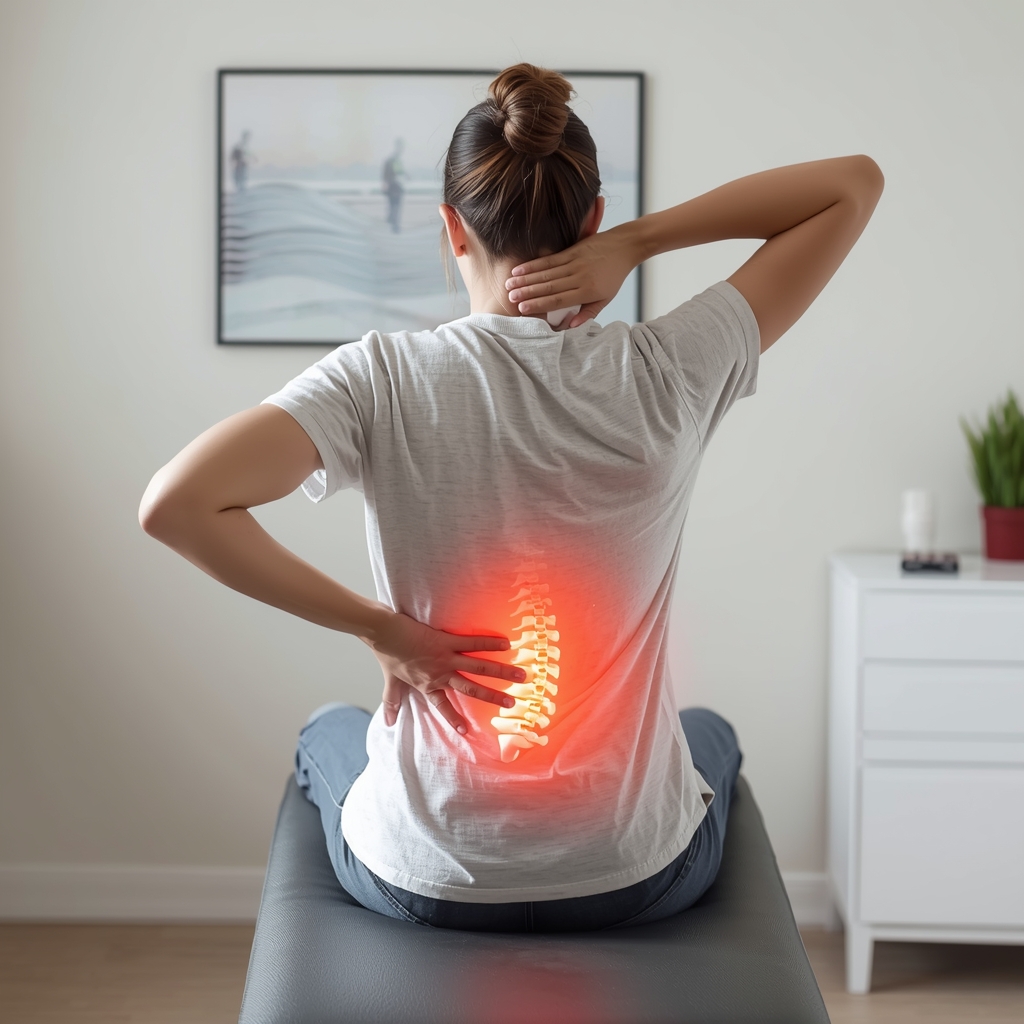
Understanding Lumbar Stenosis and Leg Pain
Lumbar stenosis occurs when the spinal canal in the lower back narrows, compressing nerves and causing pain, numbness, or weakness in the legs. This condition often worsens with standing or walking, as the narrowing restricts blood flow to the nerves. While conservative treatments like physical therapy and medication are common, spinal adjustments may offer relief by improving alignment and reducing pressure on affected nerves. It’s important to note that adjustments should complement, not replace, medical evaluations to rule out severe cases requiring surgical intervention.
Common Spinal Adjustments for Lumbar Stenosis
Chiropractors may use various techniques to address lumbar stenosis, including diversified adjustments, activator methods, and flexion-distraction. Diversified adjustments involve manual thrusts to realign the spine, while activator methods use a handheld tool for gentle corrections. Flexion-distraction focuses on gently stretching the spine to create space between vertebrae. These approaches aim to reduce nerve compression and improve mobility. However, the effectiveness of each technique can vary based on individual anatomy and the severity of the condition. A chiropractor can assess which method may suit a patient’s needs best.
How Adjustments May Alleviate Nerve Compression
Spinal adjustments may help alleviate leg pain by addressing misalignments that contribute to nerve irritation. When the spine is properly aligned, it can reduce pressure on the sciatic nerve and other lumbar nerves, potentially easing symptoms. Some patients report reduced pain and improved circulation after adjustments, though results are not guaranteed. It’s crucial to approach these treatments with realistic expectations and under the guidance of a qualified provider. Adjustments are often part of a broader care plan that includes exercises and lifestyle modifications to support long-term relief.
Personalized Treatment Approaches
Each case of lumbar stenosis is unique, so treatment plans should be tailored to individual needs. A chiropractor may combine spinal adjustments with soft tissue therapies, posture corrections, or therapeutic exercises to address underlying factors. For example, strengthening core muscles can stabilize the spine and reduce strain on the lower back. Patients should communicate openly with their provider about symptoms and goals to ensure adjustments are safe and effective. Regular follow-ups allow for adjustments to the care plan as progress is made or new challenges arise.
Complementary Therapies and Adjustments
Spinal adjustments may be more effective when paired with other therapies. Physical therapy exercises, for instance, can enhance flexibility and strength, while acupuncture might help manage pain. Chiropractors may also recommend ergonomic changes or activity modifications to prevent symptom flare-ups. It’s important to discuss all therapies with a healthcare provider to ensure they align with the patient’s overall health goals. While adjustments can play a role in symptom management, they are not a standalone solution for severe stenosis. A multidisciplinary approach often yields the best outcomes.
When to Seek Professional Guidance
If leg pain persists or worsens, consulting a chiropractor or medical doctor is essential. A qualified provider can evaluate the spine, rule out other conditions, and determine if adjustments are appropriate. Patients should avoid self-diagnosis or unproven treatments, as these may delay effective care. Chiropractic care is generally safe when performed by a licensed professional, but it’s crucial to discuss any concerns or pre-existing conditions beforehand. By working with a trusted provider, individuals with lumbar stenosis can explore options to manage symptoms and improve their quality of life.













