
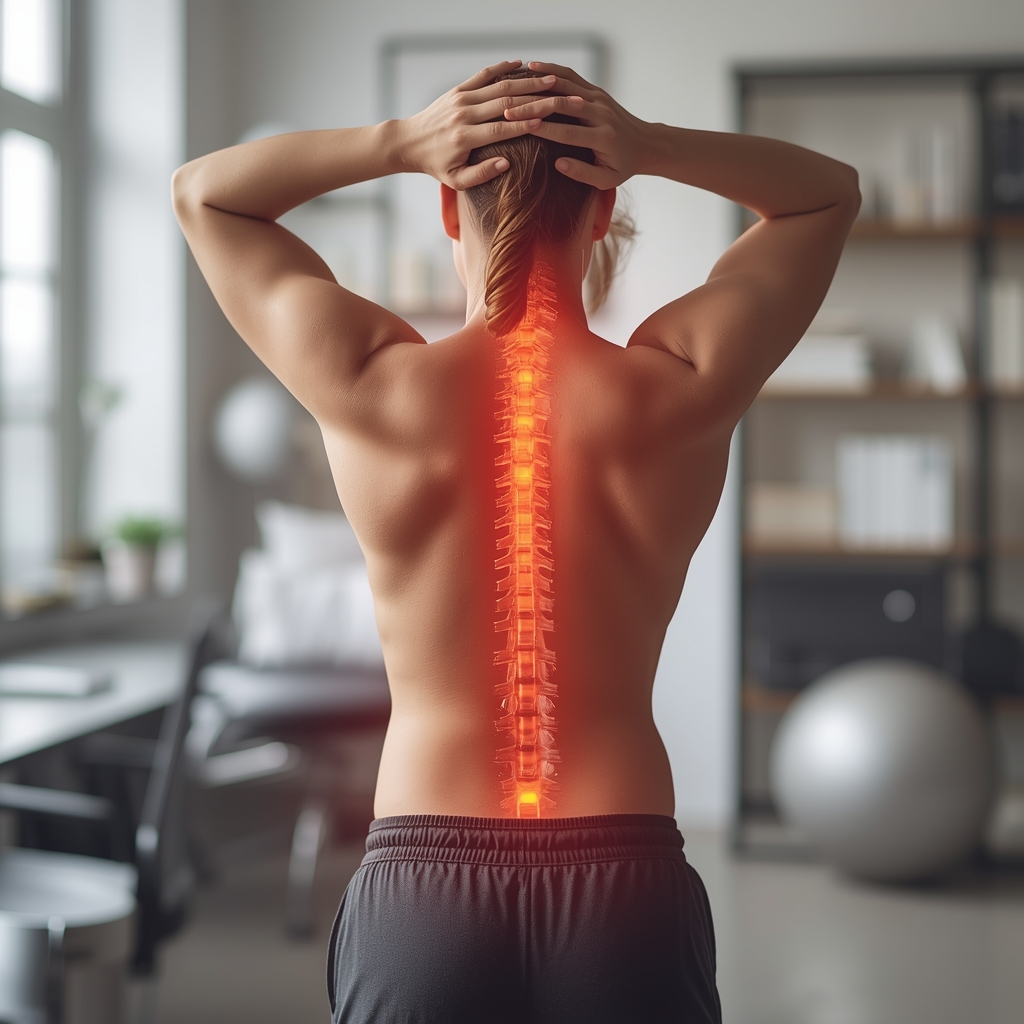
Recent Advances in Sports Chiropractic for Athlete Recovery
Recent developments in sports chiropractic focus on accelerating recovery for athletes with acute injuries by integrating innovative techniques and technologies. These advancements aim to reduce downtime, enhance mobility, and support the body’s natural healing processes. While specific studies are not cited here, trends in the field highlight a growing emphasis on personalized, evidence-informed care. Chiropractors now often collaborate with sports medicine professionals to tailor interventions that address both structural and functional aspects of injuries. This holistic approach ensures athletes return to peak performance safely and efficiently.
Technology-Driven Diagnostic Tools
Modern chiropractic practices increasingly rely on advanced diagnostic tools to assess and treat sports-related injuries. Technologies like real-time motion analysis, electromyography, and musculoskeletal ultrasound allow for precise identification of soft tissue damage, joint dysfunctions, and biomechanical imbalances. These tools enable chiropractors to create targeted treatment plans, ensuring interventions address root causes rather than just symptoms. For example, wearable sensors can monitor an athlete’s movement patterns during recovery, providing data to adjust care strategies dynamically. Such innovations enhance accuracy and improve outcomes, making recovery timelines more predictable.
Regenerative Therapies and Biologics
Emerging regenerative therapies, such as platelet-rich plasma (PRP) injections and stem cell treatments, are being explored in conjunction with chiropractic care to boost healing. These biologics aim to repair damaged tissues and reduce inflammation, complementing traditional chiropractic adjustments. While research is ongoing, many practitioners report improved recovery rates when combining these therapies with manual techniques. Cold laser therapy, another non-invasive option, is also gaining traction for its potential to stimulate cellular repair and alleviate pain. Athletes often find these approaches beneficial, though they should discuss suitability with a qualified provider.
Manual Techniques and Soft Tissue Innovations
Manual therapies like Active Release Technique (ART) and Graston Technique remain central to sports chiropractic, focusing on breaking down scar tissue and restoring mobility. Recent refinements in these methods emphasize precision and patient-specific protocols, reducing recovery times for injuries like sprains and strains. Additionally, dry needling and instrument-assisted soft tissue mobilization (IASTM) are being integrated to address muscle imbalances and trigger points. These techniques, when combined with spinal adjustments, help athletes regain range of motion and reduce pain, supporting faster return to activity.
Integrative Approaches to Recovery
Chiropractors are increasingly adopting integrative strategies that combine manual care with complementary therapies. For instance, incorporating physical therapy exercises, nutritional support, and mental health practices can enhance recovery outcomes. Functional movement assessments guide the creation of rehabilitation programs that address both injury and overall performance. Some practitioners also use kinesio taping or orthotics to stabilize affected areas during healing. By taking a multidisciplinary approach, chiropractors help athletes recover more comprehensively, minimizing the risk of re-injury.
Personalized Recovery Plans
Advancements in sports chiropractic underscore the importance of individualized care. Athletes now benefit from tailored recovery plans that consider their injury type, sport-specific demands, and physiological responses. Chiropractors use patient history, diagnostic findings, and progress tracking to adjust treatments dynamically. This level of customization ensures that interventions align with the athlete’s unique needs, optimizing recovery efficiency. As the field evolves, the focus remains on empowering athletes with safe, effective solutions that support long-term health and performance.












